Dental Cavities And Tooth Decay
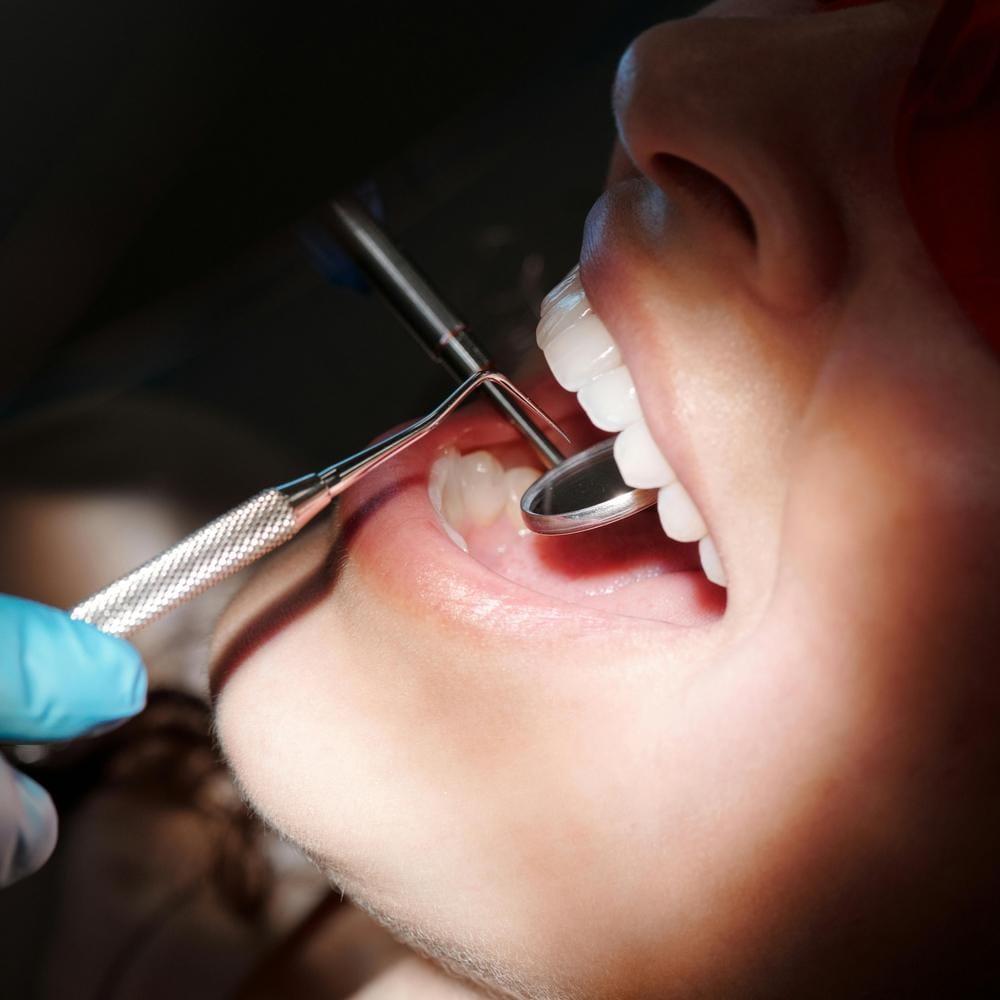
Fix cavities with invisible composite fillings today - contact us today to discuss options, costs and pay monthly finance.
What are cavities? Cavities are decayed areas of the teeth that have turned into small holes. They are sometimes referred to as dental caries. If left untreated, cavities become bigger, and start to cause numerous oral health issues, as well as ongoing discomfort for the patient. It is therefore important that you seek treatment as soon as possible.
The different types of cavities
There are three types of dental cavities you should be aware of.
- Smooth surface cavities: Found on the flat exterior surfaces of the teeth.
- Pit and fissure cavities: Found on the chewing surfaces of the teeth.
- Root cavities: Found on the root surfaces of the teeth.
Cavities symptoms
When it comes to identifying a cavity, there are many symptoms to look out for. These include toothache and bleeding gums, as well as sensitivity when eating and drinking hot or cold foods. Another indicator is persistent bad breath.
A common question we often receive is, how long can a cavity go untreated? The answer is - not long. In a matter of months, the cavity will continue to grow and eat away at the tooth. If you think you have a cavity, we recommend contacting your dentist immediately. The earlier it is identified, the higher the chance is that the tooth can be repaired and saved.
Please don’t feel embarrassed to reach out either; 1 in 3 adults in the UK have some type of tooth decay (1), so you are not alone.
What are the causes of cavities?
There are many different contributing factors. Being knowledge of the causes of cavities will help to prevent one forming in the future.
Cause | Explanation |
|---|---|
Diet | The bacteria naturally present in the mouth loves sugary and starchy food and drinks, converting these carbohydrates into acids that attack the enamel and cause small holes to develop. |
Poor oral hygiene | Plaque quickly begins to build up if you do not brush or floss regularly. If left untreated, plaque turns into tartar, a hard substance that dissolves the enamel. |
Smoking and vaping | These habits significantly increase the amount of plaque and tartar in the mouth. Nicotine additionally contributes to gum disease and discolouration. |
When there isn’t enough saliva present in the mouth to fight off bacteria, the teeth become more susceptible to cavities and decay. | |
The grinding and clenching of teeth leads to chips, cracks and fractures. Once bacteria enters these holes, cavities can begin to develop, as well as infections. | |
Genetics | Some individuals have naturally weaker enamel that is more vulnerable to cavities. Others also have less saliva in the mouth to fight off bacteria. |
As we age, our mouth faces a host of problems, including gum recession and weakened enamel. As a result, the risk of cavities developing becomes more likely. | |
Illness | Certain medications are recognised to cause dry mouth. Alternatively, if you have been consuming a lot of sugary medicines to recover from your illness, a sudden cavity can develop. |
Certain health conditions & medications | Cancer patients undergoing chemotherapy may experience side effects like dry mouth. Another example is individuals suffering with bulimia are susceptible to enamel erosion. |
Previous dental restorations | Cavities have the ability to form around a dental restoration such as a filling, especially if it was fitted a long time ago. This is also known as a cavity comeback. |
What is the best treatment for cavities?
Have you found yourself wondering - how serious are cavities? Do I really need dental treatment? To help illustrate the dangers of cavities, we have created a timeline of what happens to a tooth if left to decay.
Timeline | Symptoms |
|---|---|
First 6 months (demineralisation) | You may not be able to see or feel the decay at this stage. Indicators to look out for are small white spots on the teeth caused by a process called demineralisation. |
« 6 - 12 months (enamel decay) | The enamel continues to break down and the cavity penetrates deeper into the tooth. White spots darken in colour and sensitivity to hot or cold food and drink begins. |
12-24 months (dentin decay) » | At this point, the cavity has potentially reached the tooth’s dentin layer. Dentin is softer than enamel and decays at a much quicker rate. Sensitivity is considerably worse. |
« 24 months+ (pulp damage and infection) | Once a cavity reaches the pulp, the innermost layer of the tooth, the pain intensifies and there is a risk of infection. Swelling is another unpleasant side effect patients experience. |
The most suitable procedure for your cavity will depend on which stage your tooth decay is in. Therefore, the best cavity treatment differs from patient to patient.
- Fluoride treatment (demineralisation): Dentists are able to provide fluoride mouthwashes and varnishes to strengthen the enamel and reverse the decay.
- Filling (enamel decay or dentin decay): Fillings remove the decay from the tooth and patch up the hole left by the cavity.
- Root canal (pulp damage): This treatment removes the infected tissues, blood vessels and nerves from the pulp before sealing the tooth with a filling.
- Dental crown (enamel decay or dentin decay): Often used to replace a large filling, crowns replace damage on the visible portion of a tooth.
- Porcelain veneer (enamel decay): A popular procedure that addresses years of dental wear and tear, while giving smiles a dazzling Hollywood makeover.
- Tooth extraction (pulp damage or infection): If the tooth cannot be saved and previous treatments have failed, your dentist will use extraction as a last resort.
How to prevent cavities and tooth decay
A great oral hygiene routine is one of the best ways you can stop cavities from developing. This means brushing your teeth twice a day with a fluoride toothpaste and a high-quality toothbrush. Don’t forget to floss!
We also recommend being mindful of how much sugar and starch is in your diet and avoiding habits such as smoking and vaping. Finally, don’t avoid the dentist! Attend two routine check-ups and two hygienist appointments per year to make sure your oral health is in good condition.
FAQs
Let’s answer some of the most common queries Yorkshire Dental Suite receives.
What is the black stuff in a cavity?
The black dots are where bacteria has eroded the enamel. If you spot black dots on your teeth, it doesn’t necessarily mean that there is decay present – sometimes it is simply a stain, or a dental condition like fluorosis.
How long do fillings last?
One of the most popular cavity treatments, the longevity of a filling depends on the material used. A composite filling may last up to 15 years, while an amalgam filling can last up to 20 years.
How much does it cost to fix a cavity?
The answer changes based on the procedure you choose to fix your cavity. Here is a quick price comparison of Yorkshire Dental Suite’s treatments:
Treatment | Price |
|---|---|
Fluoride treatment | Determined by your dentist |
Fillings | From £195 |
Root canal | From £895 |
Dental crowns | £895 per tooth |
Porcelain veneers | £895 per tooth |
Tooth extraction | From £350 |
Are cavities covered by NHS?
Certain cavity treatments are covered by the NHS if deemed clinically necessary. Band 2 (£75.30) covers fillings, root canals and extractions. Band 3 (£326.70) covers crowns. Something to note however is that the materials used will be very basic and not as aesthetic as the materials used at a private practice. For example, an NHS dentist would likely use a silver-coloured filling versus a white filling.
Is it too late if a cavity hurts?
Not necessarily. If you are in pain, it would suggest that the cavity has gone deeper into the tooth and requires a more intensive treatment. That is why early detection is key, as it gives your tooth a higher chance of survival.
Conclusion:
Dental cavities are very common and treatable if caught in good time. If you need to repair a cavity, contact Yorkshire Dental Suite and book a consultation. We will do everything possible to fix your tooth and restore it back to health.
References:
(1): https://www.dentalhealth.org/uk-oral-health-statistics