What Is Bruxism?
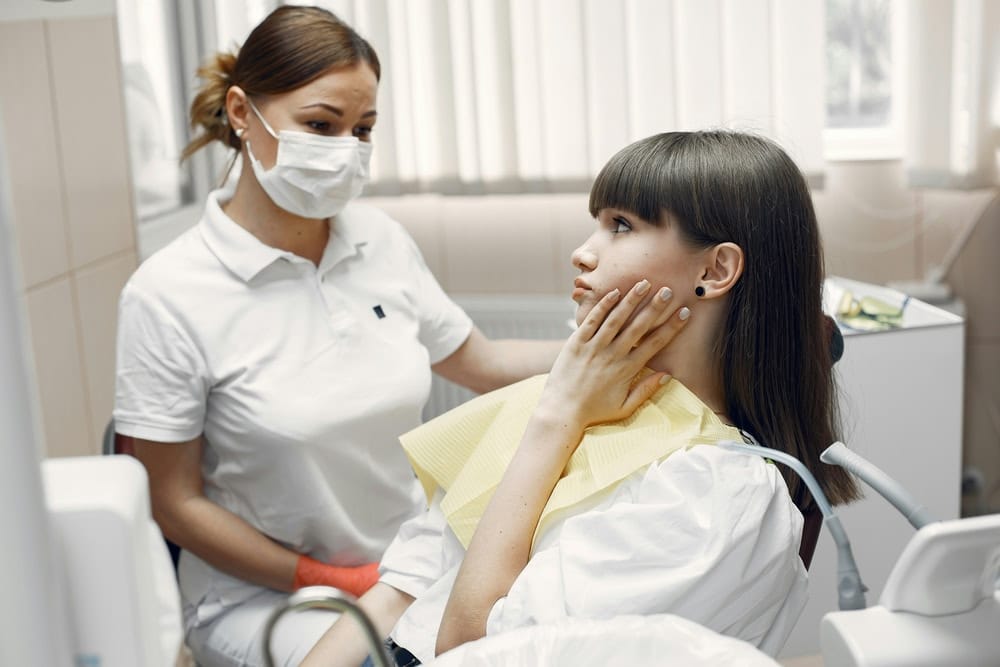
Bruxism is a common dental condition believed to affect six and a half million people in the UK (1). The condition includes excessively grinding and clenching your teeth while you are awake or asleep.
Found in children and adults, this repeated action may lead to numerous health issues and a loss of confidence in your smile. Read on to learn about its causes and ways in which you can address the habit.
What Are The Causes Of Bruxism?
There are many factors that lead to bruxism, the main one being stress and anxiety. If you are feeling uneasy, the jaw may unconsciously hold tension and clench. Additionally, smoking and drinking are contributors, as well as the use of certain antidepressants. Other influential elements include sleep apnoea, teeth misalignment and genetics.
The Impact Of Bruxism On Your Health
If left untreated, many health complications can arise as a result of bruxism. These include:
- Very sensitive teeth
- Chipping and cracking
- Worn tooth enamel
- Jaw pain which may lead to Temporomandibular Disorder (TMD)
- Headaches
- Earache
- Disturbed sleep
- Tight or locked jaw
How To Reduce Teeth Grinding: The Dos & Don'ts
There are many things you can do to limit bruxism. For example, target the source of your stress and find ways to relax. Having a good nighttime routine is essential too; try wearing night guards and going to bed at the same time every night. If your bruxism is caused by teeth misalignment, opt for dental treatments such as fixed braces.
Experiencing pain? Try using a hot compress or icepack. There are also many things to avoid. Discontinue smoking and the consumption of alcohol and drugs. In addition to this, we recommend lessening the number of hard foods and chewing gum in your diet to soothe tooth and jaw pain.
Repairing Worn Teeth
If you have successfully stopped grinding your teeth, but are now left with long-term wear and tear, here are your treatment options:
- Dental Implants: Eliminate the pain, inconvenience and embarrassment of broken, worn and missing teeth with dental implants. A speciality of Yorkshire Dental Suite, it is a great way to replace a single tooth or a full row.
- Porcelain Veneers: Our natural-looking veneers reimagine the shape, size and colour of worn teeth. A very popular treatment, the custom-made veneers are crafted from a durable porcelain that provides up to 15 years of wear.
- Dental Crowns: Crowns are used when the top of a tooth is damaged beyond repair, but the root is healthy. They are designed to look and function just like your natural teeth.
- Nanofill Composite Bonding®: This is a great way to cosmetically fix the affected teeth. A durable, hard-wearing resin is painted over the tooth and sculpted to the desired shape and size.
Conclusion:
Bruxism has the ability to negatively impact your quality of life and smile. Therefore, it is important to address the condition. By making changes in your everyday life, you can protect against uneven tooth wear, minimise pain and protect your smile.
References: