How Teeth Change With Age

Contact us now to discuss smile makeover treatments, costs, and pay monthly finance options.
Your smile doesn’t just stop developing once we’ve lost all of our baby teeth. It is constantly changing over the years, thanks to factors such as hormones and general wear and tear. As you age, you may notice dental complications such as crookedness, tooth loss, chipping and more. Rest assured, Yorkshire Dental Suite will support your every need.
Types of teeth
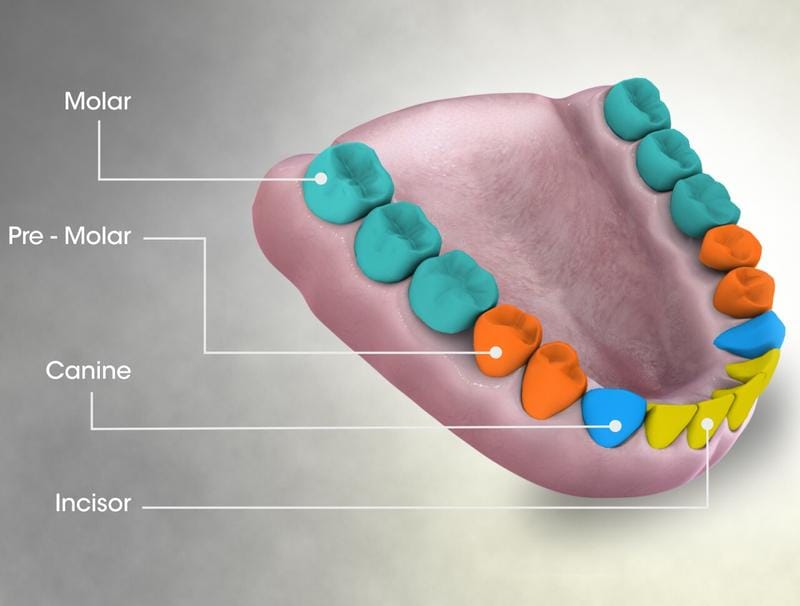
Most adults have 32 teeth in total (less if wisdom teeth are removed), whereas children have 20. Each tooth has an important function.
- Incisors: Your two front teeth, as well as the individual teeth sat next to them, are called incisors. Typically, you have four on each jaw. The primary function of these teeth is to cut food when you bite.
- Canines: The fang-like teeth located next to your incisors. There are usually four in total, one in each quadrant of the mouth. These sharp teeth help to tear food, guide the direction of your bite and support the neighbouring teeth.
- Premolars: This term refers to the teeth between your canines and molars. Grinding and breaking up food is what premolars do best, transitioning food from the front of the mouth to the back.
- Molars: Located in the back of your mouth, your molars do most of the chewing. This allows you to swallow food safely and obtain as many nutrients as possible. They also help to evenly distribute the force caused by biting and chewing.
Teeth timeline: In the womb
Just six weeks into your pregnancy, the basic substance of your baby’s teeth (also known as primary teeth) begins to develop. Then, when you reach eight weeks, the gums start to form. The teeth continue to grow and harden until birth – at this point, your newborn will have 20 baby teeth fully formed beneath the gums.
Teeth timeline: Infants and toddlers
There are many different stages of teething that infants and toddlers go through, all of which are detailed below. Please note, the term ‘eruption’ refers to when the tooth breaks through the gum line.
Age | Development |
|---|---|
0 - 6 months | Teeth are not visible, but may start to erupt around six months of age. |
6 - 8 months | At this stage, the first tooth becomes visible above the gum line. The first to erupt are typically the bottom incisors. |
10 - 14 months | The primary molars start to come through the gum line in the lower and upper jaws. |
25 - 33 months | This time period is usually when the canines (cuspids) surface. |
3 years | The last teeth to emerge are the large molars in the back of the mouth. |
At this age, the average child now has all 20 baby teeth in their mouth.
This timeframe will differ from child to child. If you have any concerns about how your little one’s teeth are developing, do not hesitate to contact your dentist. They will talk you through any concerns you have.
Teeth timeline: Children
Children typically begin to lose their baby teeth at around six years old. The order in which they fall out is normally the same order in which they erupted – front to back, starting with the upper and lower incisors and ending with the molars. By the age of 12, most children have lost all of their baby teeth. Did you know? Girls on average lose their primary teeth quicker than boys.
Suitable treatments:
Teeth timeline: Teenager
When your adult teeth come through, it is normal for them to grow at awkward angles. This is when your dentist may suggest teeth straightening techniques to help align your smile. The NHS provides free braces to individuals under 18 if they are deemed medically necessary. These braces are fixed to your teeth using wires and brackets and are periodically adjusted by your dentist as your teeth move. If your misalignment isn’t deemed severe enough, you will have to cover the cost.
Alternatively, teenagers wishing to straighten their teeth in a more subtle way can opt for clear aligners. Not available on the NHS, these trays discreetly align teeth in a short period of time. Unlike fixed braces for teeth, they can be removed when eating or brushing your teeth. As they face puberty and fluctuating hormones, teenagers may find their gums are red and swollen, or even more susceptible to bleeding. This increases the risk of gum disease developing, as well as cavities and tooth decay. To help prevent this, maintain a good oral hygiene routine, stick to a nutritious diet and avoid smoking and vaping.
Suitable treatments:
Teeth timeline: Adult
Wisdom teeth begin to erupt as you transition from your teenage to adult years. Located right at the back of your mouth, these teeth can cause a variety of issues. They are often painful when breaking through the gum and actually have the ability to move your neighbouring teeth as they form. Many adults need their wisdom tooth removing as a result.
Individuals who are pregnant or going through the menopause may also experience changes with their teeth. The hormonal shifts triggered by these events have the ability to contribute to oral health issues such as gum disease and gum recession. This comes with side effects such as bad breath. A gum graft is a great way to tackle gum recession, while regular appointments with your dental hygienist can treat gum disease. Consult with your dentist and doctor to see if you are suitable for any of the aforementioned procedures.
As you age and the enamel thins, your teeth are at a higher risk of tooth decay, sensitivity and staining. Teeth whitening will help to address any discolouration – however, if your teeth are feeling sensitive, this may not be the best option. Have crookedness or small gaps in your smile that you didn’t fix as a teenager? Our clear aligners are suitable for any age!
Suitable treatments:
- Wisdom tooth removal
- Gum graft
- Teeth whitening
- Clear aligners
- Regular check-ups and hygienist appointments
Teeth timeline: Senior
Gum recession, tooth decay, bone loss, cracking – these are all caused by years of wear and tear. Luckily, there are many treatment options available to restore your once perfect smile. Bone loss leads to multiple problems. It can cause teeth to fall out and your face to age further.
A bone graft increases the amount of bone in your jaw and allows seniors to have another life-changing treatment – dental implants. If your teeth are broken, worn or missing altogether, a dental implant is the perfect solution. The procedure substitutes the affected tooth/teeth with a long wearing titanium replacement that lasts 30+ years with care.
Facing gum recession? Opt for a gum graft. If you lose a tooth, you may be thinking – do I need to replace it? When there is a space left in the mouth left by a missing tooth, you are more likely to face tooth migration, bone loss and problems when chewing.
Suitable treatments:
Conclusion:
Need help maintaining a healthy, confident smile? Contact us today. With our expert team members, extensive knowledge and pioneering technology, we will give you the results you desire.