Toothbrushes: Manual VS Electric
It’s an age-old debate – which is the better toothbrush? Manual or electric? Both have advantages and disadvantages to consider when swapping out your old brush for a new one.
When it comes to public opinion, it seems that the favourite is very much electric. Research carried out by the Oral Health Foundation found that, for the first time ever, the number of British adults cleaning their teeth with an electric toothbrush has surpassed those using a manual one.
Advantages Of An Electric Toothbrush
When it comes to cleaning your teeth and gums, electric toothbrushes are extremely effective at removing plaque and bacteria, both of which can lead to issues such as tooth decay and gum disease. Electric toothbrushes are less abrasive than a non-electronic toothbrush. The latter requires vigorous manual scrubbing, which has the ability to irritate your gums.
On the other hand, an electric toothbrush head oscillates and rotates in a way that is not only gentle on the teeth and gums, but also cleans those harder-to-reach areas. Many electric toothbrushes often come equipped with high-tech features to deliver the best possible clean. Two-minute timers hold users to account, making sure you brush for the full two minutes required, while sensory pressures alert you if you are pressing too hard.
Individuals are able to choose between different cleaning modes as they wish with electric toothbrushes. Some brands offer gentler brushing options for those experiencing sensitivity – others provide plaque removal, teeth whitening and gum health features. Finally, if you have limited mobility, you may find an electric toothbrush easier to use. This is because the powered bristles do all the hard work, limiting the effort required by the user when brushing.
Advantages Of A Manual Toothbrush
The main advantage of a manual toothbrush is the cost. They tend to be significantly cheaper than an electric toothbrush and are inexpensive to replace (side note – you should be changing your toothbrush head every two months!). Another advantage to take into consideration is the environmental impact. An electric brush requires electricity or batteries to work. In comparison, a manual requires no powering up; you can simply squeeze on your toothpaste and start brushing.
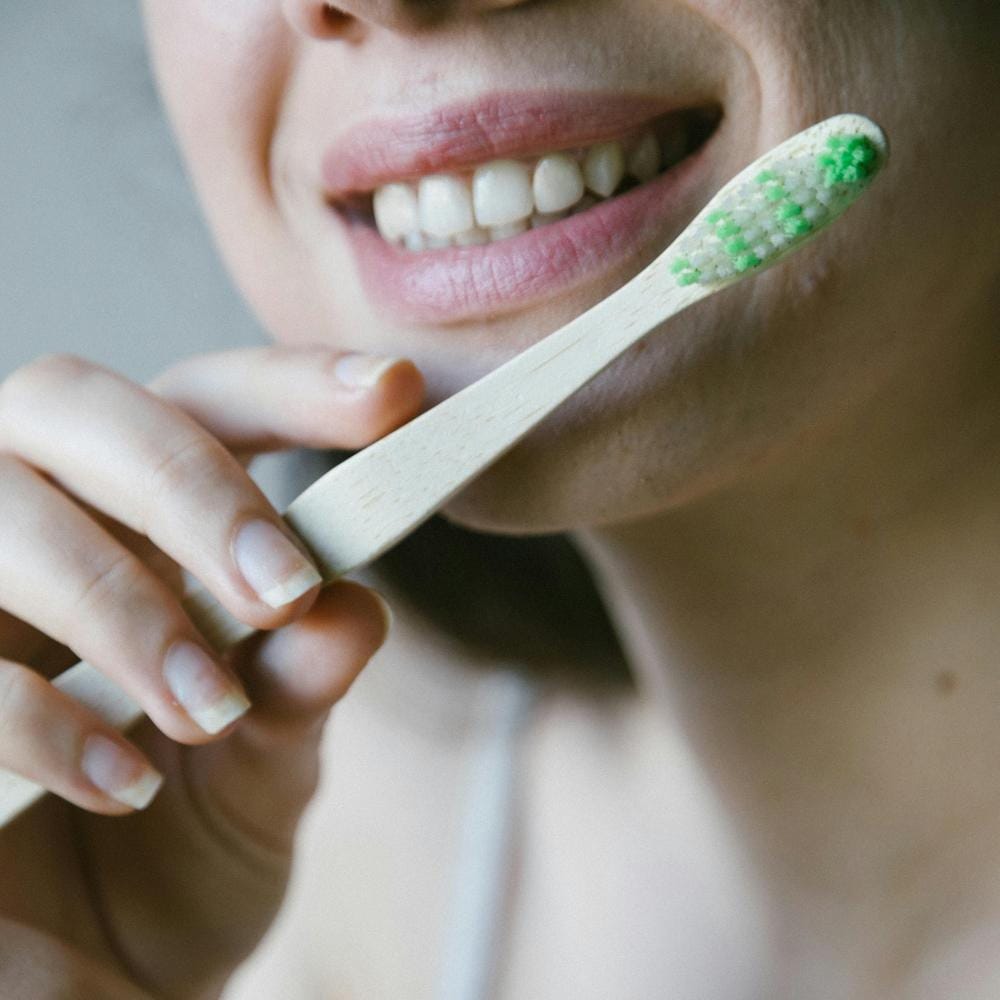
Many manual options now use sustainable materials such as bamboo or recycled plastic. Therefore, it could be argued that this is the most environmentally-conscious choice. The portability of manual toothbrushes is a major plus. They are lightweight and easy to carry around, making it the ideal travel companion. Plus, you are able to save space in your luggage as you do not have to pack any chargers or batteries.
Disadvantages Of An Electric Toothbrush
Let’s talk about the disadvantages now. There’s no denying that electric toothbrushes are notably more expensive than their manual counterpart – but why? Factors such as the battery, materials used and additional technologies all contribute to higher costs.
When travelling, electronic toothbrushes offer many downsides. They are less compact and can run out of battery easily, especially if you are travelling to countries with different charging ports. Many individuals as a result may find themselves packing a manual brush as a back-up.
Disadvantages Of A Manual Toothbrush
As mentioned earlier, electric toothbrushes offer a superior clean, reaching every crook and nanny in your mouth with powerful rotating and oscillating motions. Manual brushes rely entirely on the user and do not provide the same cleaning abilities.
Something else to take into consideration is that it is a lot easier for someone with a manual toothbrush to brush too hard, especially if the bristles are stiff and coarse. If you brush with excessive force, you may experience tooth sensitivity and gum recession, alongside a host of other oral health issues.
Additional Tips For Maintaining Great Oral Health
Brushing your teeth twice a day is essential in order to protect against a build-up of bacteria and plaque (not to mention, it keeps your breath smelling nice and fresh). What other habits or changes can you incorporate into your oral hygiene routine to keep your teeth and gums healthy?
- Floss: When you floss, you remove any food particles stuck between your teeth. It also removes plaque that forms around the gum line.
- Do not rinse your mouth with water immediately after brushing: This washes away the concentrated fluoride and negatively impacts its preventative abilities.
- Consider a mouthwash: When choosing a mouthwash, opt for one that contains fluoride. However, avoid using it immediately after brushing. Instead, rinse with mouthwash another time of the day (but be sure not to eat or drink at least 30 minutes after).
- Don’t avoid the dentist: It is generally recommended that you have at least one check-up a year with your dentist, alongside two dental hygienist appointments.
- Quit smoking: This habit stains teeth and contributes to gum disease and tooth loss, alongside the development of certain cancers.
Conclusion:
Are electric toothbrushes better than manual? In our opinion, yes. This is thanks to their cleaning abilities and advanced technologies. Although, if you are looking for a more travel-friendly, cost-effective option, then a manual toothbrush may be the better choice. It’s all down to your personal preference in the end.
References: