Everything You Need To Know About Tooth Extraction
Get a tooth extraction at one of 9 nationwide YDS clinics. Contact us to discuss your options and pay monthly finance today.
Tooth extraction may seem intimidating to many patients. However, the procedure is very routine and is usually carried out as a last resort – this means that your dentist won’t remove a tooth unless it is absolutely necessary. We are here to put your mind to rest about this treatment and explain to you exactly what to expect when you are having your tooth extracted.
Reasons For Tooth Extraction
A tooth extraction is carried out if a filling or crown cannot be used to repair the tooth. Severe decay, pain and gum disease are contributing factors, alongside a failed root canal treatment. Rest assured, your dentist will do everything they can to save the tooth. Patients who wish to have dental implants may also need tooth extraction.
The Tooth Extraction Process
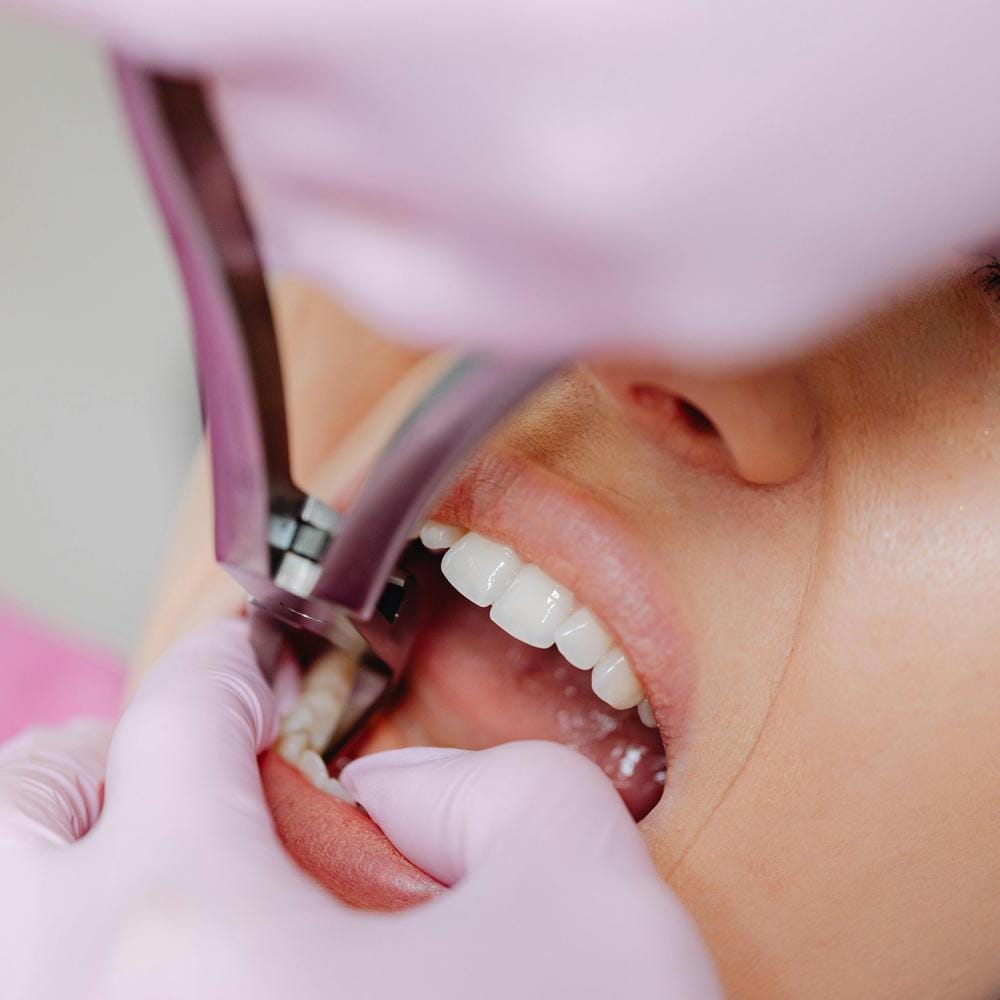
Let’s talk about the tooth removal process. Once seated, the area of extraction is injected with a numbing local anaesthetic. This makes the procedure pain-free. Then, your dentist widens the socket (where the roots of your tooth sit), before loosening the tooth and pulling it out. You will be instructed to bite down on a clean gauze post-removal to stop any bleeding. Do not swallow this gauze.
You may experience pressure or hear some unpleasant sounds during the procedure. Alert your dentist immediately if you do feel pain. Feeling apprehensive ahead of your treatment? Ask about your sedation options – we will do everything we can to make you feel as comfortable as possible.
What To Eat After Tooth Extraction
When can I eat normally after tooth extraction? This is a question we get asked regularly. For the first three hours, do not eat or drink at all. Why? Well, if you try to eat while still numb from the anaesthetic, you may accidentally bite your cheek or lip, or even scald yourself. After that, opt for a lukewarm diet. Chew on the side of the mouth that hasn’t been treated.
The first 48 hours is an important recovery period, as the extraction area generally tends to feel quite sore and tender still. We also advise avoiding foods that have the ability to get stuck in the extraction site while it is healing, as this may lead to infection. Stick to a diet that requires minimal (or no) chewing, while avoiding anything spicy, sticky, crunchy or acidic.
Tooth Extraction Aftercare: Our Top Tips
Here are some general tips to take into consideration during tooth removal recovery.
- Take it easy: Avoid strenuous activity during the first 24 hours.
- Adapt your oral hygiene routine: Brush your teeth carefully with a soft toothbrush so you do not dislodge any blood clots. Avoid mouthwash for 24 hours.
- Pain maintenance: If needed, take your usual over-the-counter pain medication. Apply a cold compress to your outer jaw to ease any swelling.
- Do not smoke: This increases your possibility of getting a painful condition called dry socket.
- Do not drink alcohol: Drinking alcohol makes blood clot formation more difficult, thus hindering the healing process.
- Rinse with warm saltwater: 24 hours post-procedure, introduce this step in your everyday routine. It helps to keep infection at bay by removing food particles and bacteria near the extraction site.
Contact your dentist if your pain or swelling doesn’t stop.
What Are The Risks Of Tooth Extraction Surgery?
This is a medical procedure. Therefore, it comes with some risks. Common complications include bleeding, swelling, bruising and pain. There is additionally a risk of infection and dry socket. More serious complications of tooth extraction surgery may include damage to the neighbouring teeth and nerves, as well as sinus problems. By following the aftercare instructions set out by your dentist, you can help minimise the chance of these risks forming.
Do I Need To Replace A Missing Tooth?
It is completely up to the patient. However, gaps in your mouth often come with side effects. For example, there is an enhanced risk of tooth migration, where the neighbouring teeth move into the new space created. You may also experience malnutrition. This is caused by patients not being able to chew properly and digest the nutrients acquired in the chewing process. Gaps additionally impact your viability for certain dental procedures, including veneers, clear aligners and braces.
If you are looking to fill the gap left behind by a missing tooth, consider dental implants. The process includes inserting a grade 5 titanium tooth implant into your jawbone, before placing a porcelain crown on top. The result? A strong, perfectly restored smile. You may be thinking about the tooth extraction and implant timeline. Some patients can get teeth implants immediate after extraction. However, other patients choose to wait a period of time before getting a dental implant. The tooth extraction procedure may be carried out at any time.
Another option is a dental implant bridge. A single implant can hold a bridge containing two or more adjacent teeth, whereas multiple implants can support a bridge containing 3 or more. This is ideal for patients who have undergone multiple extractions in the same area.
Conclusion:
This procedure is not something to be fearful of. When you choose Yorkshire Dental Suite for a tooth removal, you will be assisted during every step of your journey, including the recovery stage. Contact us today.