Why Do I Have White Spots On My Teeth?
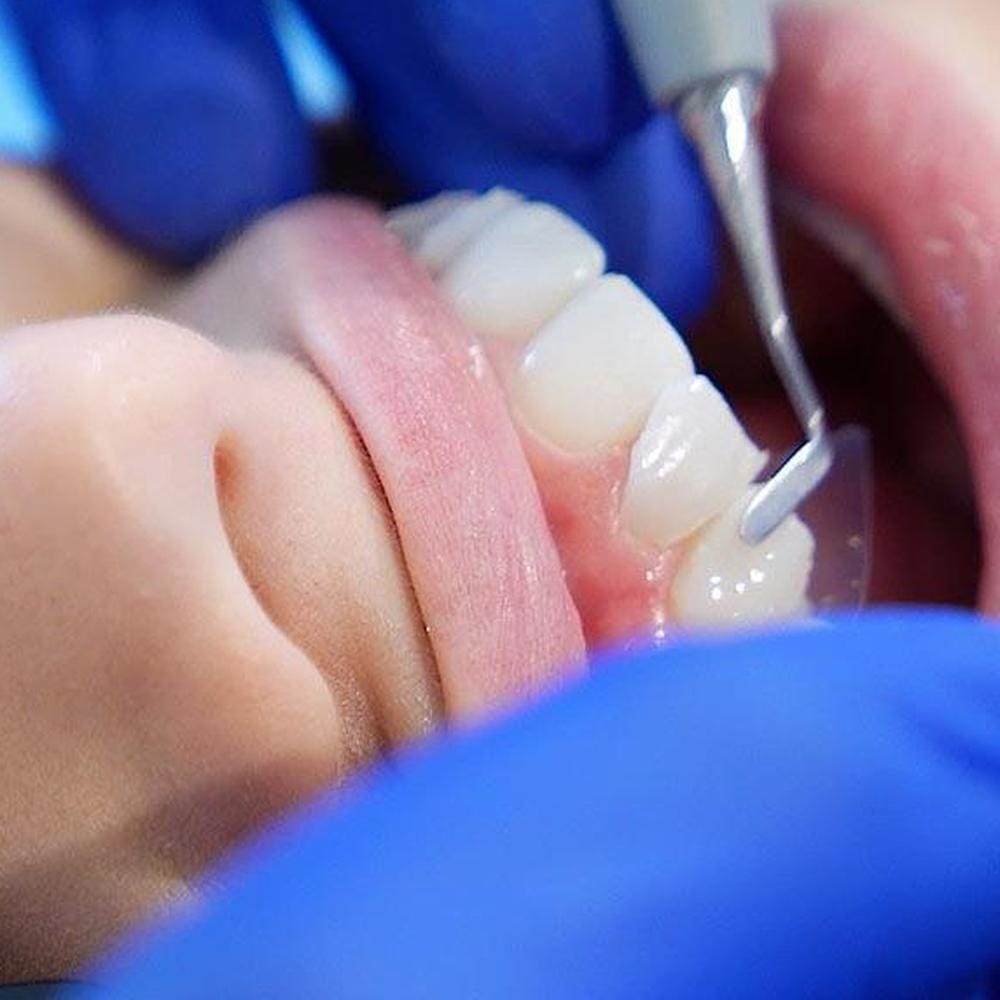
Tooth discolouration, whether that’s in the form of yellow stains or white marks, can impact an individual’s confidence significantly. We have so many patients who come into the clinic asking – why do I have white spots on my teeth, and how do I get rid of them?
There are many contributing factors to white spots, some we are able to control and some we cannot. We will go through the main causes in detail, as well as the dental treatments Yorkshire Dental Suite offers to patients in search of a gleaming, uniform smile.
Dental fluorosis & tooth decalcification
Let’s start with dental fluorosis. This condition develops while your permanent teeth are evolving (usually by the time you turn eight) and haven’t yet come through the gums. Fluorosis appears as white flecks, spots and lines usually, but it can also be brown.
Decalcification of the tooth is often confused with fluorosis. It affects the enamel, just like its counterpart, but the origins of decalcification differs. The condition develops when minerals are lost from the tooth’s outer layer, leading to the emergence of white marks and discolouration.
- Causes of dental fluorosis: Overexposure to fluoride
- Causes of tooth decalcification: Plaque and tartar build-up, diet, orthodontic devices like braces, dry mouth
Enamel hypoplasia
Enamel hypoplasia, also known as hypoplastic teeth, is when your enamel doesn’t form properly and is thin, weak or absent from the tooth altogether. This not only causes discolouration, but also makes your teeth more susceptible to cavities and decay.
- Causes of enamel hypoplasia: Certain infections and diseases, genetics, vitamin deficiencies, smoking or taking drugs while pregnant, trauma, injury
Oral hygiene
If you’ve found yourself wondering, why have I got white marks on my teeth, have you ever considered that your oral hygiene habits might be the culprit? When you do not brush or floss effectively plaque begins to form on the teeth. This then results in the enamel beginning to erode and stain.
- Consequences of bad oral hygiene: Gum disease, tooth decay, persistent bad breath (halitosis), infections, tooth sensitivity, cavities
Diet
If you have a diet that is packed full of acidic and sugary foods, your chances of having white spots on the teeth are most likely increased. Why? This is because these type of foods essentially eat away at the enamel and cause it to erode and weaken. Sugary food and drinks in particular also contribute to plaque.
- Foods and drinks to look out for: Citrus fruits, sweets, chocolate, carbonated drinks, alcohol, chilies, spices, honey, breakfast cereals
Dental braces
A common question orthodontic patients ask is, why are there white marks on my teeth now that my braces have been removed? Individuals wearing fixed braces with wires and brackets may face difficulties when brushing their teeth and flossing, leading to plaque and (eventually) white spots.
- Tips on how to clean teeth with braces: Brush your teeth every morning and night as usual. Brush after every meal too. To help clean between the wires and around the gum line, we recommend using an interdental brush. Rinse your mouth with water prior to brushing to help loosen any debris stuck in the brace and finish your routine with an effective mouthwash.
Medications
While medications are often necessary for our health, they sometimes come with unwanted side effects, including tooth discolouration and staining. Your doctor will be able to explain any side effects in more detail.
- Types of medications believed to discolour teeth: Antihistamines, antibiotics such as tetracyclines, blood pressure medicines, oral contraceptives, iron supplements
Xerostomia (dry mouth)
Dry mouth happens when there isn’t enough saliva present to keep the mouth wet. This condition negatively impacts your oral health as saliva helps to protect your teeth. If the teeth are dehydrated, there is a chance that white spots may form, alongside other side effects like bad breath.
- Causes of dry mouth: Breathing with your mouth open, certain medications, dehydration, underlying health conditions, anxiety, cancer treatment
Treatment options
Now that you understand what causes white stains on teeth, let’s discuss the treatment options available to help visibly minimise these stains and make your smile appear more uniform.
Teeth whitening at home
Our whitening kit is a great way to effortlessly brighten your teeth from the comfort of your home.
- Features a 16% carbamide peroxide concentration
- 32 x more potent than non-prescription kits available over the counter
- Custom-made trays that fit your teeth like a glove
- Includes four teeth whitening syringes
- Results that last up to 12 months
- £395
Teeth whitening at a professional dental clinic
Patients may also choose to visit a private dental clinic to undergo their teeth whitening treatment.
- Uses high-grade bleaching gels
- Whitening gel activated with special lights and lasers
- Results that last up to 3 years
- £300 – £1000
Something to note however is that teeth whitening treatments can sometimes amplify the appearance of white spots. Another thing to consider is that you may experience temporary white spots and marks after your treatment.
Why? Well, whitening gels contain powerful ingredients such as carbamide peroxide. These ingredients essentially dehydrate the teeth to make sure the gel penetrates the enamel and reaches the dentin layer below. For some people, this leaves behind white streaks that disappear in usually just a few days.
Nanofill Composite Bonding®
Our trademarked procedure minimises the appearance of white spots, while addressing other aesthetic issues.
- Visibly disguises chips, small gaps, discolouration and cracks
- Includes painting a hard-wearing resin onto the surface of the teeth and curing it with a UV light
- Minimally invasive, with no drillings or injections required
- Completed in hours
- Lasts 3 – 8 years
- £495 per tooth
Conclusion:
Many patients ask us what causes the white spots on teeth, and the answer differs from person to person. If you are self-conscious about the appearance of your smile, contact Yorkshire Dental Suite for confidence-boosting procedures such as teeth whitening and dental bonding. We will help to restore your confidence in any way we can.