Dental Implant Risks
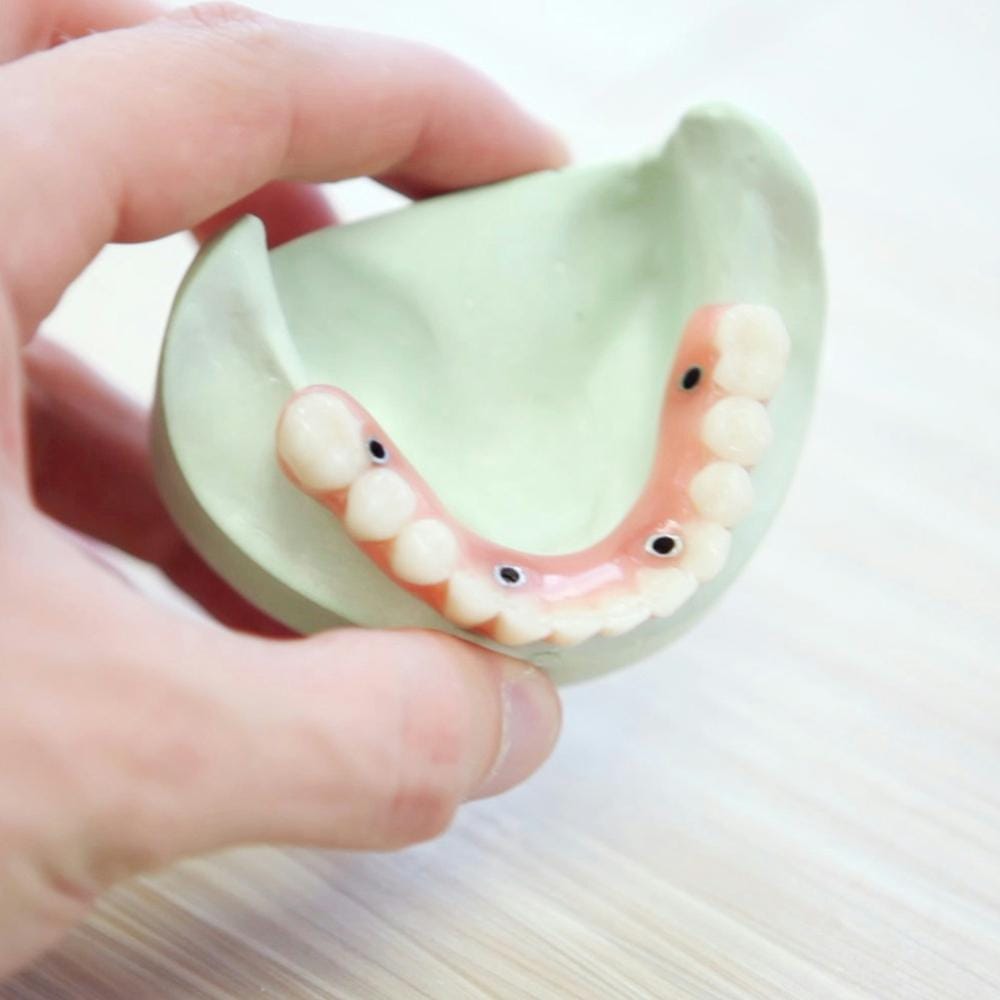
Transform your smile with dental implants - contact us today to discuss options, costs and pay monthly finance.
As with any medical procedure, dental implant treatment does not come without risk. We want to make sure our patients are fully informed before undergoing this procedure. During this blog, we will talk you through the problems you may encounter throughout your journey and how to tackle such issues.
Before your dental implant treatment
Wondering what they don’t tell you about dental implants? When you choose Yorkshire Dental Suite for your smile transformation, you can expect full transparency. That’s why we carry out a thorough consultation prior to your procedure to talk you through your concerns and answer any of your burning questions.
Are dental implants safe?
A common query we receive from patients considering the treatment is – are dental implants safe? The procedure is very safe and well established in the industry, offering life-changing benefits to the patient. However, if protocols are not followed by the patient or surgeon, certain risks become more likely, such as infection and implant failure.
Something important to note though is that the success rate of the procedure is extremely high, with recent studies reporting a survival rate of up to 97.1% (1). Some patients may not be suitable for treatment, for example, if you smoke, have diabetes or take recreational drugs. Your dentist will confirm your eligibility during this initial consultation. For many with the aforementioned complications, the surgery is not safe.
Dental implant surgery
Dental implant complications related to surgery include damage to the nerves and surrounding teeth, as well as sinus problems. The treatment also requires dental sedation, which comes with common side effects such as nausea, drowsiness and bruising. Long-lasting disorientation and strokes are examples of more severe side effects.
Did you know? Many patients require additional procedures such as a bone graft to aid a successful dental implant treatment. This will either be carried out on the day of the procedure itself, or a few months prior in order to give your mouth time to heal. Perhaps unbeknownst to some, these additional treatments will increase your overall costs. Tooth extraction is commonly carried out on the day too.
The term ‘bad dental implants’ is often used to describe an implant that has been improperly placed. If this occurs, you may experience an uncomfortable ‘loose’ feeling of your implant. It is essential that patients do their research about which dental clinic they choose for dental implants in order to avoid this. Yorkshire Dental Suite are experts in the implantology field and have rejuvenated thousands of smiles. Rest assured, you will be in good hands with us.
Risks to consider:
- Surgery complications
- Sedation side effects
- Improper implant placement
Recovering from dental implant surgery
For lots of patients, the worst part of dental implant treatment is the first 3 – 4 months after the surgery, when your mouth is healing and the implant is integrating with your jawbone. You can expect pain, swelling, tenderness and bleeding, especially in the first 72 hours following the procedure. Take your usual over-the-counter pain medications to manage this discomfort. If it does not stop, please contact your dentist; this could indicate healing issues, or even infection.
Many problems with dental implants typically stem from incorrect care while recovering from the surgery. It is imperative that you follow the aftercare instructions set out by your dentist to ensure that your dental implant fuses with the jawbone properly and the chance of peri-implantitis is diminished. General aftercare tips include following a rigorous oral health regime and quitting smoking, alongside eating a soft food diet only for at least two weeks post-treatment.
Failure of osseointegration (when the bone grows around your implant) is one of the biggest risks at this stage in your journey. A dental implant needs a strong, secure base to anchor to and, if there isn’t enough bone, the implant could fail. You are able to have the treatment redone after your jawbone has fully healed (this is usually around six months), or you can try another dental treatment.
Risks to consider:
- Pain while recovering
- Peri-implantitis
- Failure of osseointegration
- Failure of the implant altogether
Dental implant risk factors
Looking for reasons not to get dental implants? We have compiled a quick summary of the aforementioned points to help you make an informed choice.
Consideration | Risk factor |
|---|---|
Peri-implantitis | Medium (2) |
Improper implant placement | Low |
Failed osseointegration | Low – Medium (Risk is higher during the patient’s initial healing period) |
Failure of the implant | Low (1) |
Discomfort while recovering | Medium - High |
The likelihood of these risks happening are increased by the following:
- Smoking
- Poor oral hygiene routine
- Excessive clenching and grinding of teeth (bruxism)
- Gum disease
- Low bone density
- An incompetent, ill-equipped dental implant surgeon
- Pre-existing medical conditions
- Injury
How you can help make your dental implants last as long as possible
One of the most important things you can do to protect the longevity and health of your implant is by cleaning your mouth effectively. Brush twice a day, floss regularly and rinse with an antiseptic mouthwash. We recommend visiting your dental hygienist at least twice a year for a deep clean, alongside attending your routine dental check-ups as scheduled. Do not smoke or vape.
Consider wearing a mouth guard if you are prone to teeth grinding, and be mindful of your diet – hard, sticky foods may damage the implant, while staining foods cause discolouration. Did you know? You cannot have your teeth whitened once your dental implant is fitted. Finally, remember to follow the aftercare instructions set out by your dentist! They are given to you for a reason.
Conclusion:
While the likelihood of these problems happening are slim, it is important that you are aware of the risks associated with this surgery. An informed patient is one who is equipped for successful dental implant treatment and, on our part, we promise to do everything we can to mitigate these risks. Have questions about this life-changing procedure that haven’t been answered? Do not hesitate to contact us.
References:
- (1) adi.org.uk/resources/after_care_survival_and_success/
- (2) adi.org.uk/resources/peri_implantitis_-_prevalence_and_risk_factors/