Peri-Implantitis
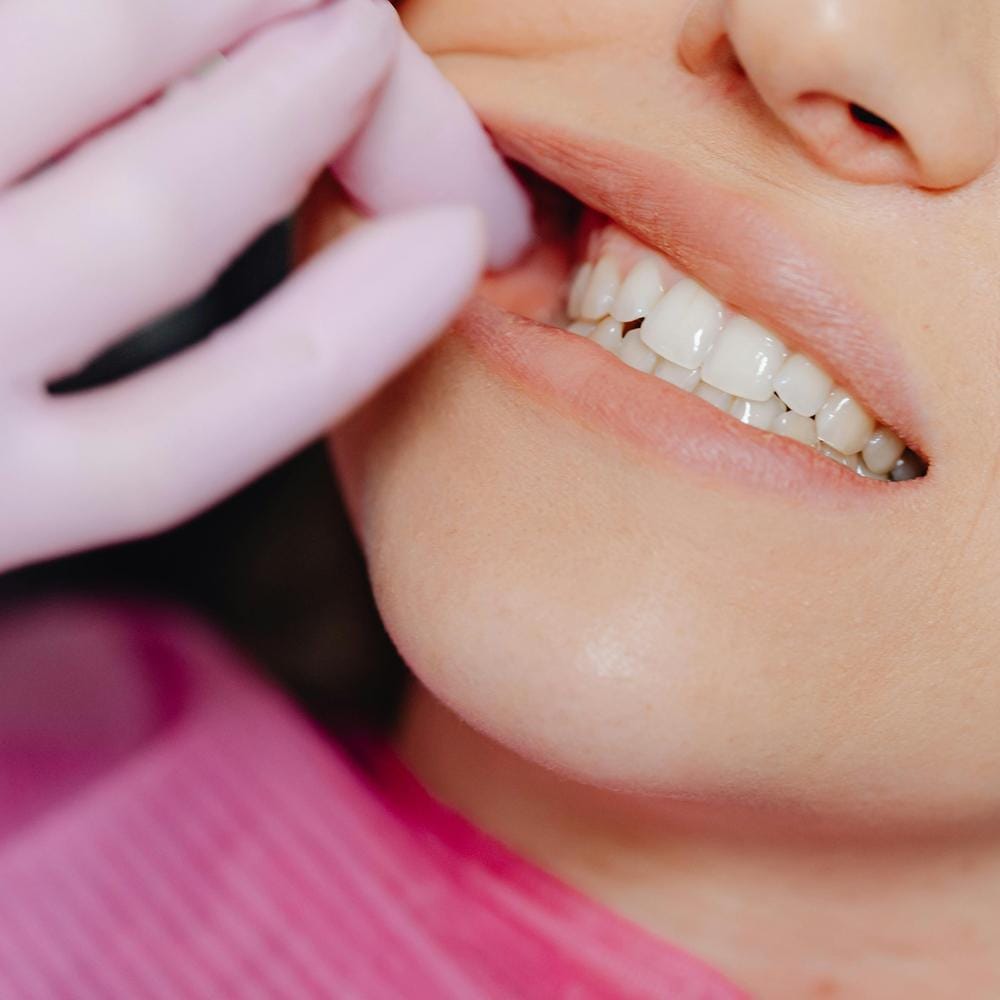
Treat peri-implantitis (failed implants) at your local YDS clinic - contact us for options, pricing and pay monthly finance.
Peri-implantitis is a condition that affects the tissues, gums and bones surrounding a dental implant. Caused by many different factors, mainly the build-up of bacteria around the gum line, it can lead to a variety of oral health issues. This includes the loss of a tooth implant.
What Are The Causes Of Peri-Implantitis?
One of the main causes of peri-implantitis is poor oral hygiene. If you are not cleaning the site of your teeth implants correctly, it may lead to infection and the build-up of bacteria. Follow the aftercare instructions set out by your implant surgeon to minimise the risk of peri-implantitis developing.
Smoking and diabetes can also lead to this painful dental condition due to poor blood flow. This increases your chance of infection and hinders your mouth’s ability to recover simultaneously. Other causes include poor implant placement and bruxism (the excessive grinding and clenching of teeth).
I Think I Might Have Peri-Implantitis – What Are The Symptoms?
If you are experiencing any of the following symptoms, it is important that you contact your dentist. By catching peri-implantitis early, you have a higher chance of minimising bone loss and saving your implant.
- Bleeding gums
- Red and swelling gums
- Bad breath
- Pus
- Throbbing pain
- Difficulty when chewing
- Fever
- Bone loss
- Your implant feeling loose
How To Treat Peri-Implantitis
If peri-implantitis develops without treatment and the help of your dentist, it may lead to many unpleasant issues. This includes bone loss and, as a result, artificial ageing. In extreme cases, peri-implantitis causes the implant to fail. So, how is peri-implantitis treated?
To get rid of the infection, antibiotics may be offered to the patient. Surgery is an option for advanced cases in order to clean and repair the implant area. A bone graft can also be carried out to restore the bone lost. Finally, many dentists use laser therapy to remove the infected tissue.
Did you know? There are ways you can treat peri-implantitis from home. Maintaining oral hygiene is key, so remember to brush your teeth twice a day, floss and rinse with an antimicrobial mouthwash. Quit smoking and attend regular check-ups at the dentist. Try to maintain a healthy diet too – foods and drinks that are high in sugar or acidity may harm your gums and teeth.
If your symptoms persist, please consult your dentist. As mentioned before, the earlier you catch peri-implantitis, the higher the chance of recovery and retention of your dental implant.
FAQs
We have answered just some of your questions about peri-implantitis. Do not hesitate to reach out to us if you have any more.
What is peri-implant mucositis?
Peri-implant mucositis is considered the predecessor to peri-implantitis. The condition shows symptoms such as inflammation, but there is no loss of the bone.
Can an implant with peri-implantitis be saved?
Early detection is key. The faster you start treatments, the higher the chance that your dental implant can be saved. This can be done with a rigid oral health regime, antibiotics and surgery.
How quickly does peri-implantitis progress?
Progression can be slow for some patients, developing over months or even years. For others, the progression of peri-implantitis is more rapid.
Can antibiotics cure peri-implantitis?
While antibiotics cannot fully cure peri-implantitis, they are able to treat infection. Something to note is that surgery may still be needed after antibiotics.
Conclusion:
This painful dental condition can be prevented by maintaining excellent oral hygiene and avoiding habits such as smoking. If you think you are experiencing symptoms of peri-implantitis, do not hesitate to contact your dentist.