50 Soft Foods To Eat After Dental Implant Surgery
If you are considering a dental implant treatment or have issues with your bridge or implants please contact us to discuss your options, pricing, finance, and to book a consultation at one of our 9 nationwide private dental clinics.
Yorkshire Dental Suite is dedicated to making your dental implant recovery as smooth as possible. We have put together a complete guide as to what you can and cannot eat in the first two weeks after your treatment, alongside some tasty meal recommendations.
Suitable Foods
A common question we often receive is, how long after dental implants can I eat normally? For the first 48 hours after your procedure, try to stick to a liquid diet. Then, for the following two weeks, consume soft, nutritious foods that are free from dairy. We have compiled some suitable options below.
Breakfast
Kickstart your day right with a breakfast that is full of flavour.
- Smoothies
- Yoghurt
- Scrambled eggs
- Cereal
- Porridge
- Pancakes
- Waffles
- Bread (without the crust)
- Cottage cheese
Lunch & Dinner
It is imperative that patients continue to eat and drink regularly after their dental implant procedure, even if you find that your appetite has diminished. Energy is needed to support recovery!
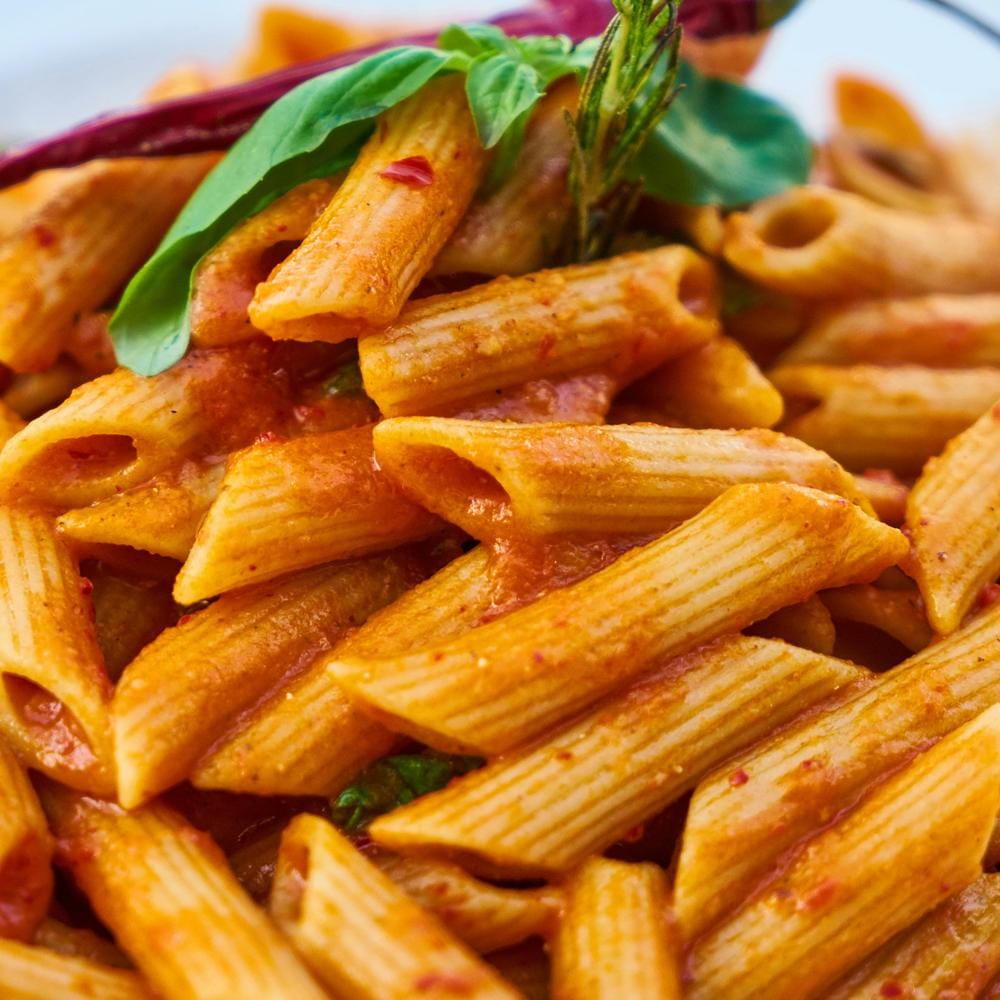
- Pasta
- Soup
- Broth
- Cheese
- Mashed potatoes
- Spam
- Fish
- Noodles
- Sausage meat
- Stew
- Pâté
- Shepherd’s pie
- Dumplings
- Wraps
- Chicken
- Tofu
- Turkey
- Minced beef
- Gravy
Snacks
Perfect for nibbling on throughout the day.
- Hummus
- Muffins
- Cake
- Jelly
- Trifle
- Mousse
- Apple sauce
Fruits & Vegetables
Vitamins, minerals and protein play an essential part in the healing process. While your body recovers from the treatment, it needs plenty of nutrition to help not only rebuild and repair the tissue and bone surrounding the implant site, but also minimise the risk of infection.
- Banana
- Sweet potato
- Avocado
- Cauliflower
- Broccoli
- Lettuce
- Cucumber
- Mushrooms
- Squash
- Watermelon (seeds removed)
- Coconut
- Pumpkin
- Mango
- Kale
- Spinach
Drink Options
It is important to stay hydrated while recovering, so drink lots of liquids. Do not drink alcohol and avoid straws – this puts pressure on the implant site and can cause bleeding.
- Water
- Juice
- Milk (dairy-free alternatives)
Meal Ideas
Looking for some meal inspiration? We have you covered. For breakfast, why not have scrambled eggs on soft, buttery bread with a yoghurt or smoothie on the side. Alternatively, opt for a bowl of oatmeal with a dairy-free milk alternative, such as soya or almond.
What about lunch? A mashed potato is a great option – don’t be afraid to play around with toppings like tuna or baked beans. A tasty soup or broth filled with boiled vegetables is also ideal, especially for patients experiencing pain when chewing. Choose pasta or noodles for your dinner. Pair with the meat of your choice (shredded chicken or something light like a dumpling is perfect), your favourite sauce and a heaping of vegetables. Want something heartier? Why not have a classic shepherd’s pie?
Dos & Don’ts
To avoid damaging your implant, do not eat anything that is hard, crunchy, chewy or sticky. We also recommend cutting out anything spicy or acidic from your diet as this may lead to irritation, alongside smaller foods that are able to get stuck in the implant site (think seeds and legumes).
Generally, any foods that can be cut with the side of a fork are suitable (with none of the above factors). Experiment with textures too - try mashing, blending or boiling your vegetables so they’re nice and soft. Before eating, be sure to make sure your food isn’t too hot or cold to avoid sensitivity.
You may be wondering - why no dairy after dental implant surgery? Certain dairy products contain bacteria, which can increase your risk of infection if consumed. Therefore, it is better to keep away from it.
Conclusion:
By sticking to a soft diet, you are helping to protect your teeth implants from damage and lessen the risk of irritation, infection and pain. If you are remotely concerned about the food recommendations, or have intolerances that need to be taken into consideration, please consult your dentist or a dietician. You know your body best!