Dead Tooth: Signs, Causes And Pain Management
Cosmetically fix or remove a dead tooth at your locals YDS clinic - contact us today to discuss options, costs and pay monthly finance.
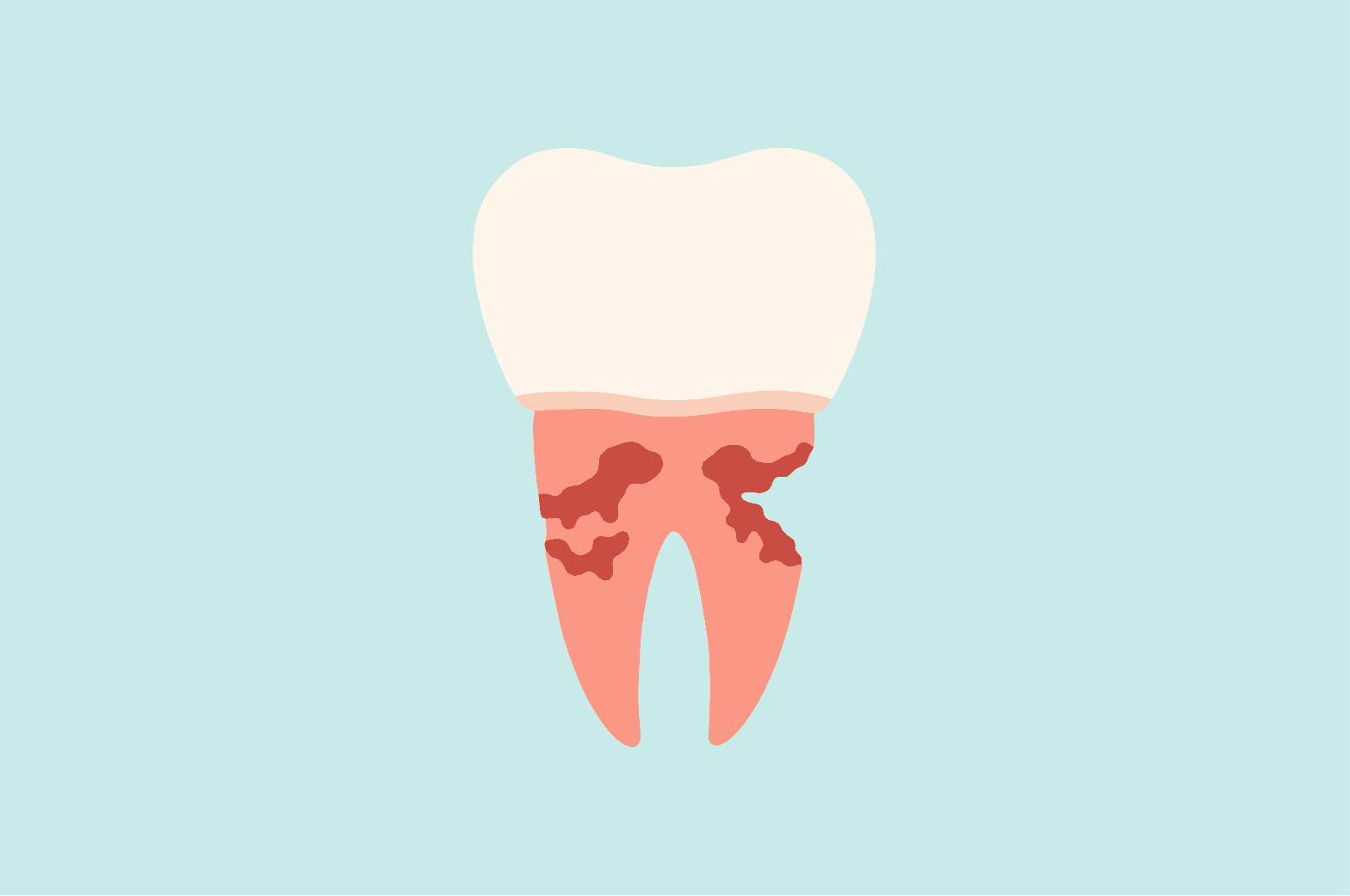
To start, let’s answer an important question - what is a dead tooth? Put simply, this type of tooth no longer receives a fresh supply of blood, typically as a result of severe damage or decay. Sometimes this is also known as a non-vital or necrotic tooth.
What are the signs of dead teeth?
A dead tooth can be identified in many ways. The first sign is usually discolouration of the tooth, which worsens over time as the nerve dies. There are many other symptoms to look out for, including the following.
What does a dead tooth look like?
- The affected tooth darkens, turning grey, black or yellow
- Swollen gums
- Visible pus
What does a dead tooth feel like?
- Sensitivity to hot, cold or sweet food and drinks
- Lingering toothache
- Pain when biting or chewing
- Headaches
- Discomfort in the jaw and/or cheek
Other symptoms of a dead tooth include a foul taste in the mouth and persistent bad breath. If you notice any of the aforementioned signs, please contact your dentist to discuss possible treatment options.
Dead tooth causes
As mentioned earlier, the causes of dead teeth tend to be dental injury or some type of infection, as well as untreated decay. Being aware of this condition’s contributing factors is key for prevention.
Cause | Explanation |
Injury is one of the most common causes of dead teeth. This is because trauma can stop the blood supply. Alternatively, the tooth may die immediately upon impact. | |
Infection | If bacteria enters the pulp through a cavity or crack, an infection can occur. In some cases, if left untreated, the infection has the ability to cut off the tooth’s blood supply. |
Gum disease weakens the roots, gums and bone surrounding the teeth. As the teeth have less support and protection, the risk of infection is increased. |
How to stop a dead tooth from hurting
This condition can be particularly painful and uncomfortable for patients. We advise contacting your dentist as soon as possible to discuss your treatment options - however, in the meantime, you are able to manage the discomfort at home.
- Take your usual over-the-counter pain medication: For example, ibuprofen is able to help with gum inflammation
- Avoid very hot or cold food and drink: This may cause sharp, sudden pains
- Use a cold compress: A simple remedy, cold compresses address swelling and inflammation, and can even provide temporary pain relief
- Avoid eating anything hard: The force placed on teeth from biting down may lead to further discomfort
- Gargle with a saltwater rinse: A method commonly used to treat toothache
Treating a dead tooth
You may be thinking, can a dead tooth be saved? The answer to this depends on how quickly you receive treatment. This is why early detection is imperative - it gives your dentist more of a chance to save the tooth, rather than remove it altogether.
The most common procedure used is a root canal. This treatment cleans out everything inside of the tooth (the nerves, blood vessels and tissues), before sealing it with a filling. It is a great way to treat infection and prevent tooth removal.
On the other hand, if the tooth is too far gone and cannot be fixed, the only suitable procedure is extraction. In just one quick appointment, your dentist removes the dead tooth. You may then leave the space or fill it with a dental implant or bridge.
How long can a dead tooth stay in your mouth? Sometimes, dead teeth go weeks, months or even longer without causing any pain or falling out. However, by leaving the tooth in your mouth, you are more susceptible to infection.
How do you prevent a dead tooth?
- Maintaining a healthy, vibrant smile is possible. To do this, there are many habits you can incorporate into your routine. Do not hesitate to contact your dentist about any questions you may have either - they are here to help.
- Have a great oral hygiene routine: Brush your teeth twice a day for two minutes at a time with a high-quality toothbrush and fluoride toothpaste. Follow with floss for an effective cleaning routine that protects against gum disease.
- Wear a mouth guard: If you play some type of sport, wearing a mouth guard helps to protect against dental injury. This is also something to consider using if you grind your teeth (bruxism).
- Visit the dentist: Your dentist will be able to identify any potential issues before they worsen and suggest treatment. We recommend visiting your dentist for two routine check-ups per year.
- Visit the hygienist: In addition to your annual check-ups, we also advise visiting the hygienist twice annually too. During this appointment, your hygienist will deliver a deep clean of your mouth, which is essential in preventing gum disease.
- Don’t use your teeth as tools: Avoid biting your nails, ripping tags off of new clothes or removing bottle caps with your teeth. All of these habits can cause painful damage.
- Upkeep a well-balanced diet: A diet that is highly acidic or sugary will be more likely to cause decay. Try to eat as many nutritious food and drinks as much as possible.
Conclusion:
A dead tooth causes pain, inconvenience and embarrassment. If you have a necrotic tooth and in need of treatment, contact Yorkshire Dental Suite today. Our world-class clinicians will give you back the healthy smile you once had.