What Causes Tooth Discolouration?
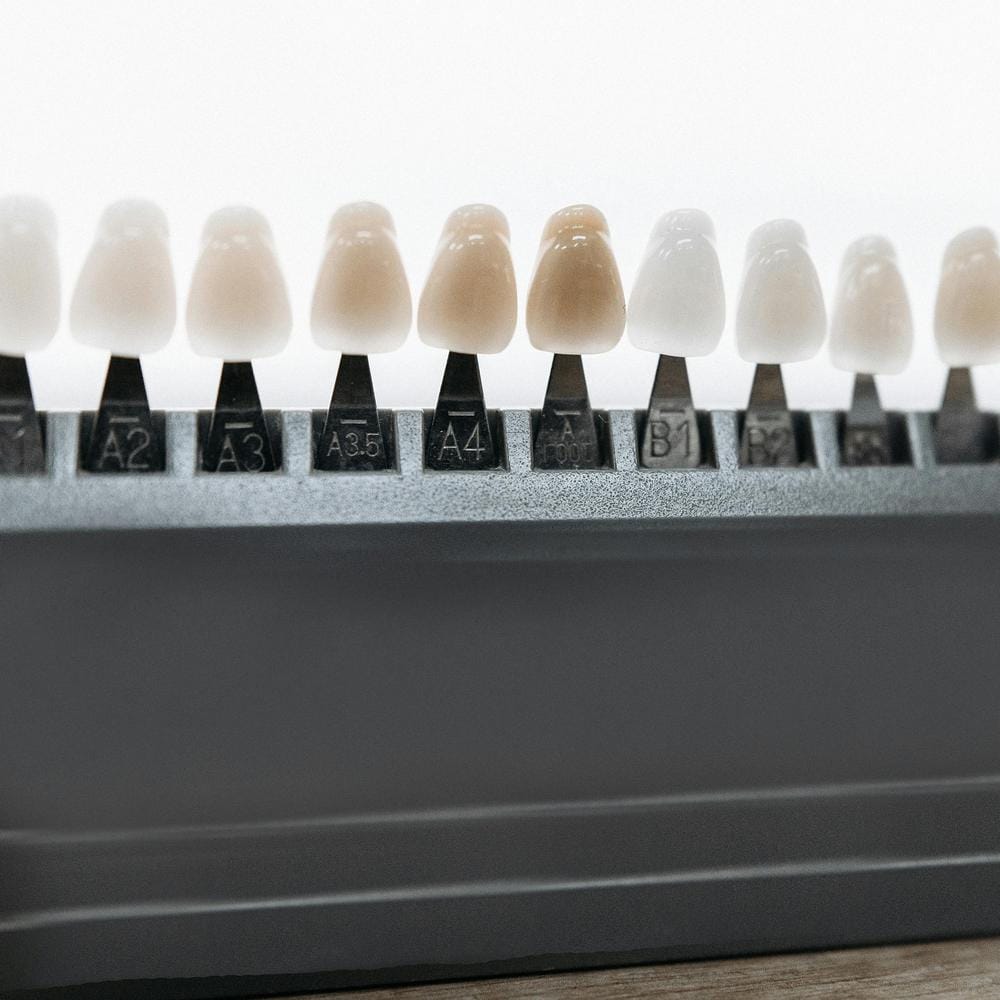
The colour of your teeth can have a huge impact on your confidence. While certain habits such as good oral hygiene help to keep your smile healthy and bright, the shade of your teeth is sometimes out of your control. Learn about the causes of tooth discolouration, the different types and possible treatment options with this in-depth guide.
Types of tooth discolouration
To fully understand tooth discolouration, you need to know the three main types and how they differ from one another. Extrinsic discolouration refers to the staining of the enamel, the hard outer layer of the tooth. It is caused by something that comes into contact with the tooth, such as food and tobacco.
The next type is intrinsic. Trickier to treat than extrinsic, intrinsic stains start inside the tooth. It is usually a result of things like certain health conditions, medications and injury. Finally, there is age-related discolouration. As we age, our teeth naturally darken – this is thanks to the enamel beginning to thin.
The different colour meanings
You may be wondering, why are my teeth yellow? This is typically a result of ageing and diet. However, contrary to popular belief, tooth discolouration doesn’t always appear yellow. It can also appear as the following:
Colour | Causes |
|---|---|
Brown | Tobacco, poor oral hygiene, tea and coffee. |
White | Overconsumption of fluoride. This discolouration is called fluorosis. |
Grey | Dental trauma – leads to the nerve inside the tooth dying. |
Purple | Red wine. |
Black | Severe tooth decay. |
There are many different things that may contribute to the discolouration of your teeth. Some of these causes are unavoidable.
- Diet: Certain food and drinks stain your teeth over time.
- Tobacco: Individuals who smoke, chew tobacco or vape can experience discolouration.
- Age: As mentioned earlier, this happens when the enamel gradually starts to thin.
- Poor oral hygiene: When you don’t brush and floss, plaque begins to build-up on the teeth. Stains cling to plaque.
- Genetics: The whiteness and transparency of teeth varies from person to person, as well as the thickness of the enamel.
- Medications: Certain medications are recognised to discolour the teeth.
- Disease: Several diseases affect the tooth enamel and therefore cause staining, as well as their treatment options (for example, chemotherapy).
- Dental treatments: Root canal procedures and silver amalgam, a material commonly used for metal fillings, are just two examples.
- Trauma: When a tooth is damaged by injury, the blood vessels within the pulp of the tooth may not be able to get the blood required to keep it healthy. This then leads to the gradual darkening of the tooth.
How can I prevent staining my teeth?
While a certain level of tooth discolouration is arguably inevitable, there are changes you can make to your everyday routine to keep your smile looking as bright as possible. Maintaining a good oral hygiene routine is one of the best ways to prevent teeth staining, alongside gum disease and cavities. Remember to brush your teeth twice a day and floss regularly.
30 minutes after eating, rinse your mouth with water to rinse away any remaining food particles. Drinking with a straw will also minimise the contact made between your teeth and staining liquids. Another way in which you can prevent teeth discolouration is by attending regular check-ups with your dentist and having at least two deep cleans a year with a dental hygienist.
Common teeth-staining foods to avoid
Our diet is one of the most significant contributors to discolouration. If you are able, try to avoid the following as much as possible, especially if the staining on your teeth is affecting your confidence.
- Tea
- Coffee
- Red wine
- Fizzy drinks
- Berries
- Curry
- Tomato and citrus-based sauces
- Soy sauce
- Balsamic vinegar
- Beets
Treatment options
Removing tooth stains (or at least minimising their appearance) is achievable through a variety of different dental treatments. Consult with your dentist to decide which is the most suitable for you.
At-home teeth whitening
Our at-home teeth whitening kit gives you a bright, dazzling smile that lasts up to a year. To achieve this, we use a 16% carbamide peroxide concentration, which is 32 x more powerful than non-prescription kits found over the counter.
The carbamide peroxide releases hydrogen peroxide when it comes into contact with the surface of the tooth, acting as a bleaching agent that lifts stains and whitens the enamel. The kit additionally features your custom-made whitening trays; designed to provide a perfect fit, these trays ensure that the gel is adhering to your teeth.
- Price for teeth whitening: £395
- Treatment lifespan: 12 months
Nanofill Composite Bonding®
Exclusive to Yorkshire Dental Suite, Nanofill Composite Bonding® is an advanced type of dental bonding that disguises not only the appearance of discolouration, but also chips, cracks and small gaps. The popular cosmetic procedure involves painting a hard-wearing resin on the teeth. Your dentist then sculpts the resin to your desired shape and size, before curing it with a UV light.
The result? A straight, ultra-white smile. It is minimally invasive too, meaning there’s no drilling or injections required! Please note – this treatment cannot be whitened once completed.
- Price for Nanofill Composite Bonding®: £395 per tooth
- Treatment lifespan: 3-8 years
Porcelain veneers
This treatment is ideal for patients with both discolouration and years of dental wear and tear they wish to address. Crafted from durable porcelain, the procedure offers a Hollywood-style smile.
Part of the tooth’s enamel is removed, before a custom-made veneer is placed on the surface. This instantly transforms the colour and shape of the tooth. Our porcelain veneers boast an impressive longevity of 15 years or more and are highly stain-resistant – this means you can enjoy your radiant smile for longer. Please note – this treatment cannot be whitened once completed.
- Price for porcelain veneers: £895 per tooth
- Treatment lifespan: 15+ years
Dental crowns
When the top of a tooth is damaged beyond repair, but the root itself is healthy, consider choosing dental crowns. This treatment fixes a variety of concerns, including painful cracks, exposed nerves, tooth decay, old fillings and severe discolouration.
Commonly referred to as ‘Turkey Teeth,’ crowns restore your smile by bonding a perfect porcelain cap to the tooth with dental cement. This is done after any damage or decay is effectively removed. If your teeth are healthy, and it’s just the colour of your teeth that you would like to fix, this may not be the best option. Please note – this treatment cannot be whitened once completed.
- Price for dental crowns: £895 per tooth
- Treatment lifespan: 5-20 years
In-clinic teeth whitening
In-clinic teeth whitening with a trained professional is a great way to significantly whiten your teeth in a short period of time. When you visit the private dental practice, a dentist will paint your teeth with a high-grade bleaching gel. Then, a special laser or light is shone onto the teeth to activate the whitening action.
The price for in-clinic whitening can vary from £300 to £1,000 in the UK – this will depend on the location of the dental office and its individual costs.
Conclusion:
With the help of our expert team and pioneering technology, you are able to visibly minimise tooth discolouration and achieve the confident smile you have always wanted. Book a consultation today.