What Is Orthodontic Relapse?
Are you experiencing unwanted movement and gaps following your teeth straightening treatment? Contact Yorkshire Dental Suite to get a new scan and discuss your treatment options.
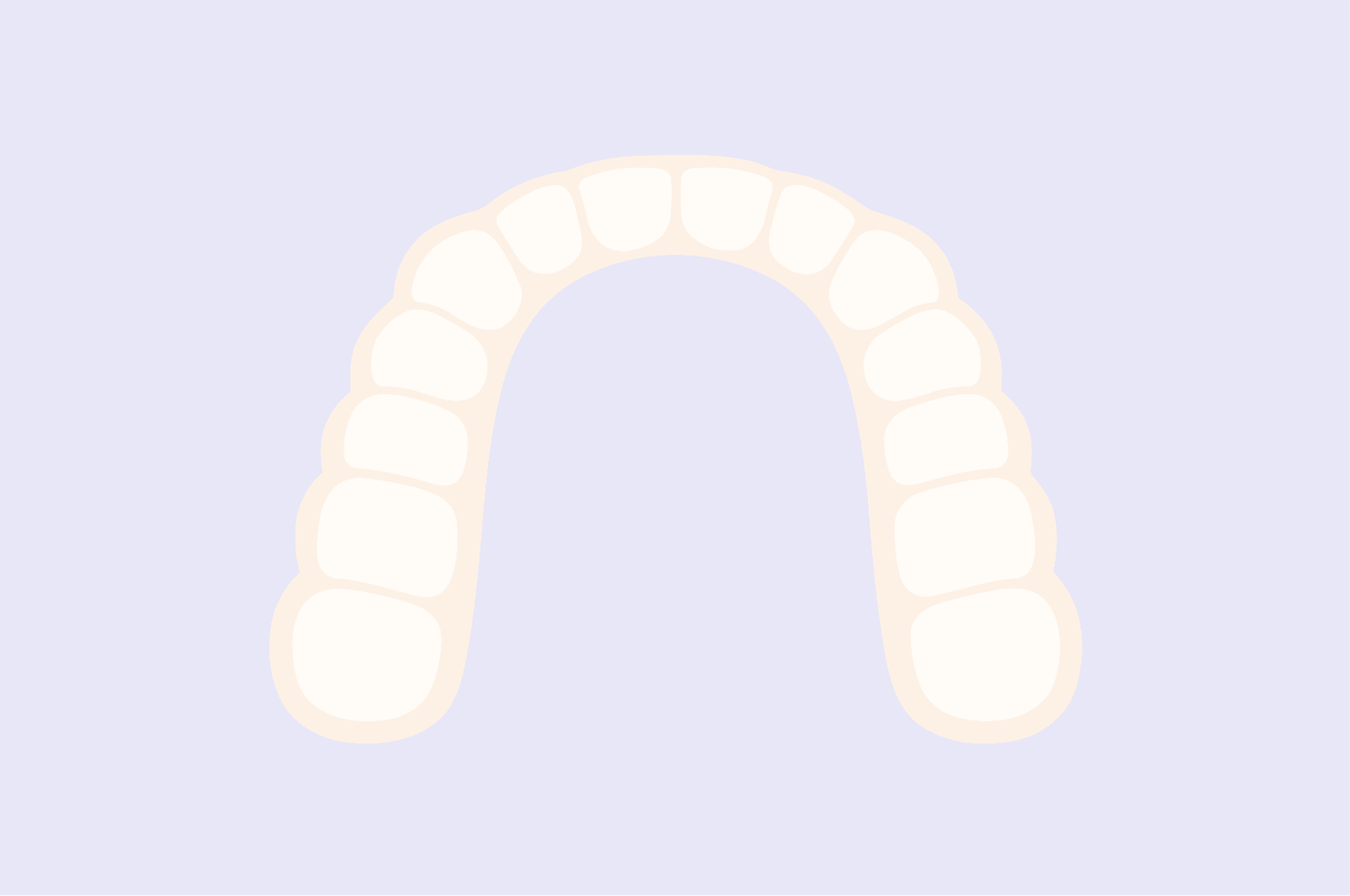
Orthodontic relapse is when teeth shift back into their original position following treatments such as braces. It is typically the bottom incisors and canines that move, but any of your teeth can be affected.
Luckily, this occurrence is fixable. Let’s go through the causes, costs and treatment options for orthodontic relapse, and tips on how to prevent it from happening in the first place.
Orthodontic relapse causes
There are many causes of orthodontic relapse. In some cases, this unwanted movement is entirely preventable. In others, it is caused by something out of our control. Let’s go through the contributing factors of teeth relapse after braces or aligners.
Cause | Explanation |
Inconsistent retainer wear | A retainer does exactly as its name suggests. This orthodontic appliance retains the new position of your teeth and prevents movement. Not wearing one undoes months (or years) of progress. |
Incomplete orthodontic treatment | If you do not finish your treatment (whether that’s a result of finance issues or unforeseen circumstances), your teeth will begin to shift once more. |
Continuation of ‘bad’ dental habits | Certain habits, like teeth grinding, jaw clenching, nail biting and chewing on ice, can contribute to orthodontic relapse with continued use. |
Tooth movement is also a natural occurrence. As we age, our gum tissues and bones begin to weaken, leading to tooth movement and a variety of other dental problems. | |
Dentist miscalculation | If your orthodontist makes errors when diagnosing your misalignment or creating your treatment plan, the risk of relapse is increased. |
Patient misuse | Certain orthodontic treatments rely on the commitment of the patient. For example, those who do not wear their aligners for the designated time are more likely to experience movement. |
Tooth loss | When there is a space in the mouth left behind by a missing tooth, the adjacent teeth begin to move towards the gap in order to fill it, leading to misalignments. |
Accidents significantly impact smile alignment. Teeth can fall out or become loose which, subsequently, may lead to movement. |
Can orthodontic relapse be fixed?
Yes. In most cases, the timeframe of your relapse treatment is much shorter than your initial treatment. This is because the template of your new smile is already there, and your teeth often don’t need to travel as far.
Your dentist will recommend different orthodontics based on the severity of your relapse. Clear aligners are a great option for mild cases, whereas fixed braces are very effective in treating more severe cases.
How much does it cost to fix an orthodontic relapse?
The answer to this question changes based on the treatment you choose. We have provided a breakdown of Yorkshire Dental Suite’s prices below to give you an idea of how much your smile transformation could cost.
- Clear aligners: From £1,495
- Fixed metal braces: From £2,995
- Lingual (hidden) braces: From £2,995
- Ceramic braces: From £2,995
If you have any of the following issues, they will need to be fixed prior to having your teeth straightened. Please note that your overall treatment timeframe and price will increase as a result.
- Gum disease: £125 upwards for a hygienist appointment
- Bone loss: £500 for a bone graft
- Receding gums: £850 for a gum graft
- Cavities and tooth decay: £195 upwards for a white filling
How to avoid orthodontic relapse
You may be wondering, how common is orthodontic relapse? Teeth relapse happens quite frequently. In fact, studies suggest that 30 - 50% of patients experience some level of orthodontic relapse within 10 years of treatment (1).
One of the best ways to prevent this movement is by wearing a retainer. Whether it’s a removable tray that you wear nightly or a fixed wire attached to the back of your teeth, this appliance plays an essential role in maintaining your newly aligned smile.
Another way in which you can minimise the risk of orthodontic relapse is by correcting ongoing habits. For example, if you have grind your teeth (bruxism), this will wear down your teeth and make them susceptible to movement. Contact your dentist for advice on how to stop teeth grinding.
Conclusion:
With first-class orthodontic treatments and specialists, Yorkshire Dental Suite helps patients straighten teeth that have moved out of alignment. Contact us today to kickstart your journey.
References: