How do dental implants work?
Are your teeth failing? Do you have missing or loose teeth? Do you miss biting and chewing without pain or discomfort? Do you want a perfect straight white smile in just a few hours? Contact us to discuss your options.
What are dental implants?
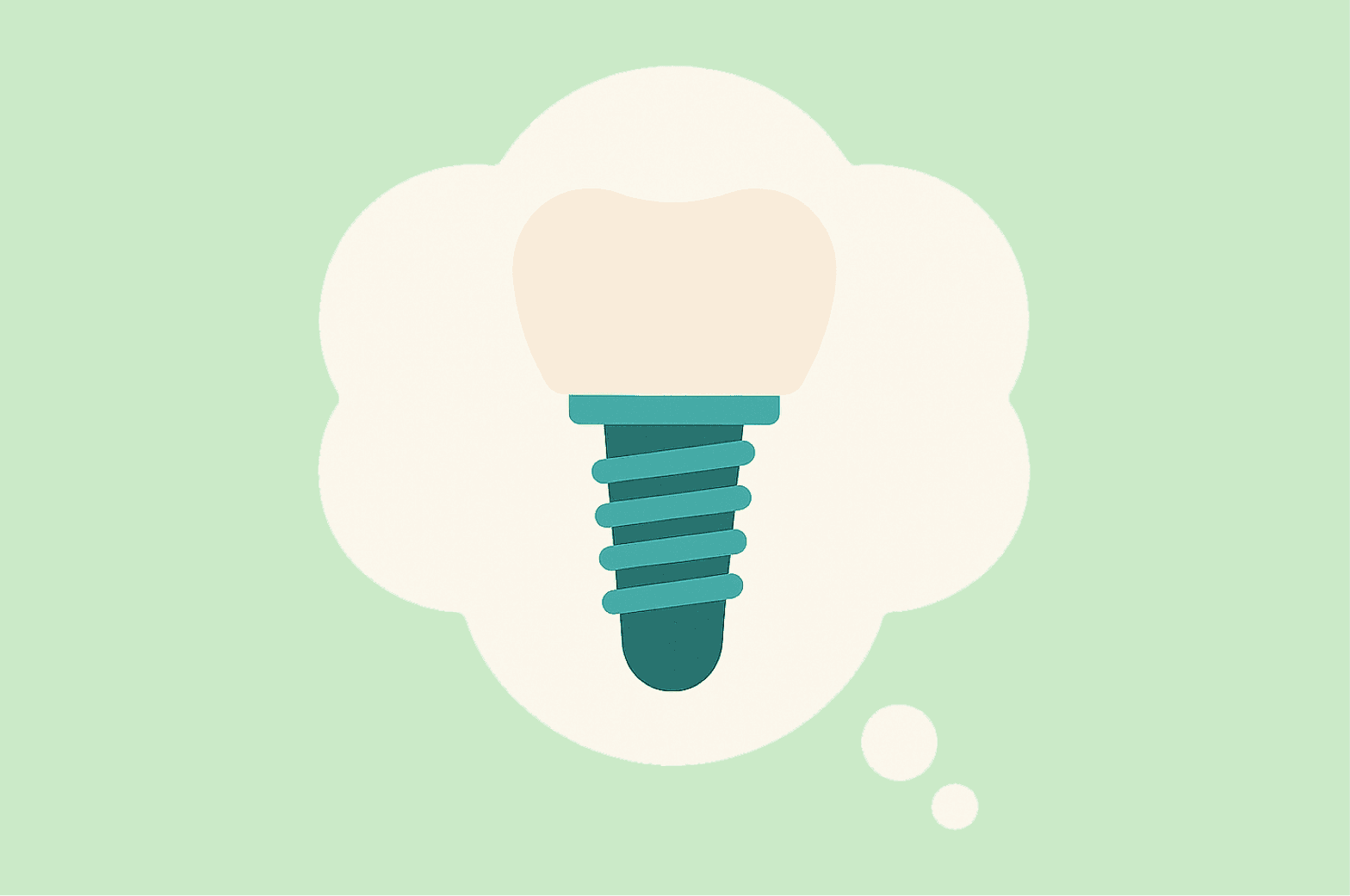
Dental implants are a cosmetic treatment that replaces damaged, decaying and missing teeth. Treatment replaces a natural tooth root with titanium screw that is fused to the bone. This implant is attached to a crown or bridge that look just like perfect teeth. Implants are more common that you would think, taking 3-4 hours in a pain free procedure with sedation.
What can dental implants treat?
Dental implants treat damaged, decaying and missing teeth caused by gum disease, illness or injury. In the most severe of cases all of the teeth are replaced. More affordable options limit treatment to just the upper jaw replacing teeth in a procedure called all-on-4 dental implants. If you have more healthy teeth than damaged or missing, short bridges and individual teeth can be replaced to preserve as many natural teeth as possible.
Is getting dental implants painful?
The prospect of having teeth removed, incisions into your gum and implants screwed into your bone can be daunting. Sedation is the answer. Local anaesthetic would not last long enough so dentists use other forms of sedation to keep patients pain free. From oral sedation using pain killing pills to IV sedation that is the fastest way to keep even the most nervous patient calm and pain free, your dentist will discuss your options before treatment is started.
How does a dental implant work?
The main procedure is completed in a few hours spread across a 7.5 hour day. It is painless with sedation keeping you calm and relaxed. Total treatment time including healing takes 3-4 months. The process is simple:
- You are sedated.
- Teeth are removed.
- Insertions are made through the gum
- Implants are screwed into the jawbone
- Gums are stitched
- Temporary crowns or bridges are fit
- Recovery (3-4 months)
- Final crowns and bridges are fit
What aftercare is required with dental implants?
Over the next 3-4 months you will heal. In the first 2-3 days gums will swell, you will experience bruising and some pain. This can be treated with over-the-counter painkillers and a cold compress. Keep your diet limited to very soft food and drink. Within a week stitches will be removed. Start adding solid food to your diet. After 3-4 months your implants will have fully fused with your jawbone and your final teeth can be designed. To maintain a healthy smile, consider the following:
Dental implant after care tip | Why it is important? |
|---|---|
Attend two dental check-ups yearly | Checks for any issues that can cause implant failure. |
Attend two hygiene appointments yearly | Helps to prevent gum disease and other issues. |
Do not smoke or vape | Prevents discolouration, helps to prevent gum disease and implant failure. |
Use a straw | Prevents discolouration. |
Avoid hard and crunchy food | Prevents accidental chips and damage to your crowns, bridges and implants. |
How long do dental implants last?
If you follow your dentists advice, keep them well maintained and take preventative measures to stop gum disease such as stopping smoking or vaping, dental implants last up to 20 years with care. In the rare occasion that your implant fail, the procedure can be repeated after having your old implants removed and allowing the gums to heal. If your crown or bridge gets damaged please contact us to arrange a replacement.
Are dental implants permanent?
No. dental implants are not permanent, and can be replaced as your prosthetics wear. The need for replacement is typically as a result of wear or discolouration, but can also be caused by implant movement. At this point implants can be removed, gums heal, and new implants inserted; or alternatives such as dentures considered.
Am I suitable for dental implants?
To be eligible for dental implants you should have a full adult skeleton. This typically means patients have to be at least between 18-25 year old to be considered. There is no upper age limit with implants being viable well past 80 year old. Before the procedure can be started, patients should be free of any gum disease or other underlying issues. These will be discovered during your consultation and treatments offered. Bone loss can be treated or circumvented using a combination of gum grafts, sinus lifts or through using longer pterygoid or zygomatic implants.
What are the pros and cons of dental implants?
Pros
- Same-day transformation
- Confidently bite, chew & eat what you like
- Painless with sedation
- Stronger than natural teeth
- Can be whiter than natural teeth
- Lasts up to 20 years with care
Cons
- Permanently removes teeth
- Discolours over time and cannot be whitened
- Not available on the NHS (for a majority of people)
- High initial cost
- Not indestructible, can be damaged
- Requires excellent oral hygiene
How much are dental implants?
For most people dental implants are not available on the NHS. The cost of treatment depends on the condition of your jawbone and gums, the number of teeth being replaced, number of implants used, and type of crowns or bridges. Replacing a single tooth with a titanium implant and porcelain crown costs £2,800. Replacing a single jaw of teeth with an all-on-4 treatment cost from £10,995, using 4 implants holding a bridge containing up to 14 teeth. Full mouth dental implants cost from £18,995 for 8 implants supporting two zirconia bridges containing up to 14 teeth on each.
Any remedial work, sedation or teeth whitening treatments are in addition to the above.
Do dental implants stain?
Yes. They are designed to naturally discolour as time goes on. This discolouration can be accelerated if you eat or drink foods known to stain teeth. Porcelain and zirconia are non-porous so standard peroxide teeth whitening will not work. Vaping and smoking can also discolour the teeth and increase the risk of gum disease and implant failure. To minimise any discolouration please avoid the following items:
Pigmented food and drink | Acidic food and drink | Sugary food and drink | Hard & crunchy food | |
|---|---|---|---|---|
Tea | Vinegar | Chocolate | Nuts | |
Coffee | Cheese | Flavoured yoghurts | Chilled chocolate | |
Tomato-based sauces | Tomatoes | Fizzy drinks | Ice | |
Red wine | Fizzy drinks | Energy drinks | Boiled sweets | |
Berries | Citrus fruits | Cereal | Thick toast |
Conclusion: For many, getting teeth replaced with dental implants can seem costly, for others the freedom and ability to enjoy food and smile confidently for the first time in many years makes it an investment worth the cost.