Gum Graft Surgery
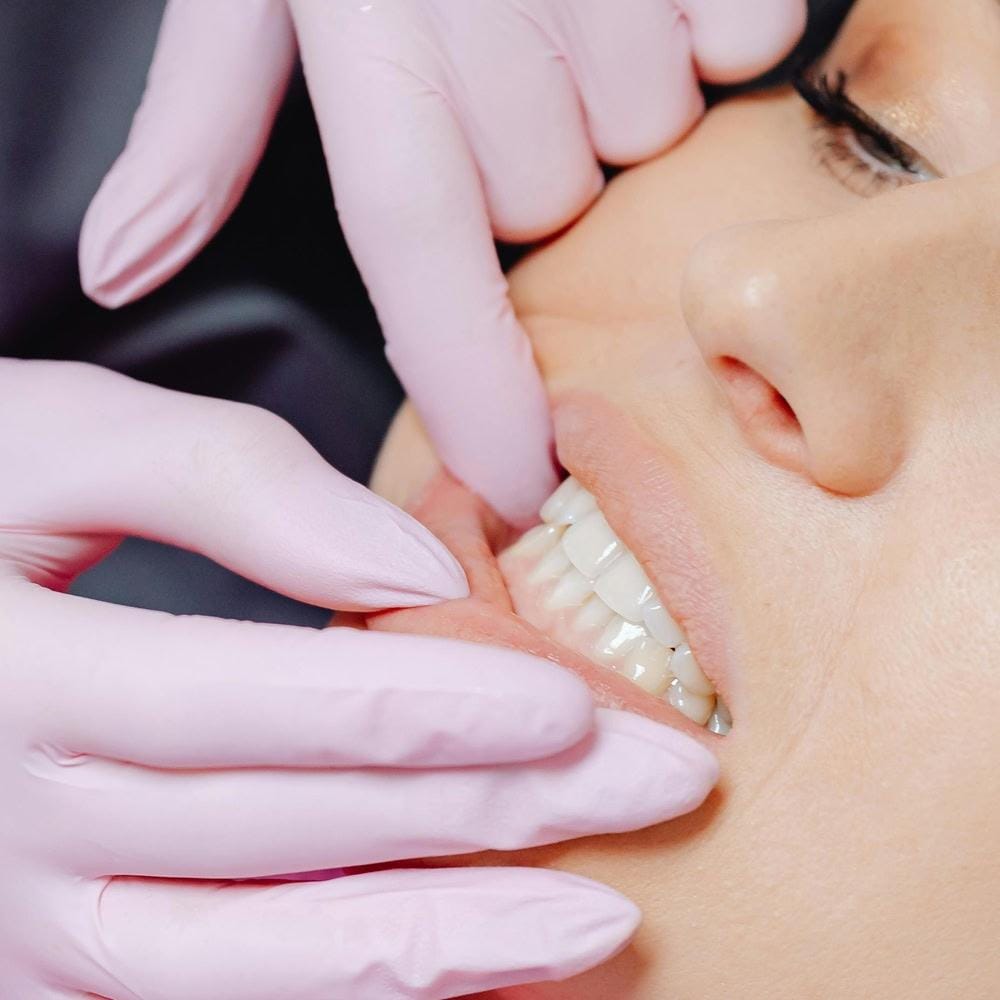
If you need a gum graft before are interested in a dental treatment and need a gum graft contact us today to discuss your options, pricing, finance, and to book a consultation at one of our 9 nationwide private dental clinics.
Suggested for medical or aesthetic purposes, gum tissue graft surgery treats gum recession. This is when the gums surrounding the teeth pull away, exposing more of the tooth and its root. This can lead to infection and sensitivity.
The periodontal surgery also provides a solid foundation for a dental implant, helping it to successfully integrate with the jawbone and minimise the risk of implant failure.
Why Would I Need Gum Tissue Graft Surgery?
For some individuals, gum tissue graft surgery is needed prior to undergoing a dental treatment, such as dental implants. Why? Well, if there isn’t enough gum around an implant, it becomes at risk of being exposed to bugs and bacteria, which may then cause the implant to fail. Carrying out a gum graft helps to shield the implant.
It additionally minimises discomfort caused by the exposed tooth. Finally, a lack of gum can give a flat appearance to a smile and impact a patient’s confidence. In this case, a dentist may suggest a gum graft.
The Risks Of Gum Graft Surgery
No medical procedure comes without risk. You may experience bleeding around the graft site, swelling, sensitivity and bruising. In more uncommon cases, there is also a chance of infection or that the gum graft does not work. If you have any concerns about how the area is healing, please contact your dentist.
The Different Types Of Gum Grafts & How They Work
The best gum graft for you is dependent on numerous factors, including the amount of gum you currently have. Your local dentist will talk you through the options and decide which graft is most suitable.
- Connective Tissue Graft: This is usually the main method used for gum grafts. Specifically addressing the exposed roots of the teeth, the procedure uses a piece of skin cut from the palate (root of the mouth). The graft taken from the palate is stitched to the area that needs gum tissue.
- Pedicle Graft: Instead of taking tissue from the palate, it is taken from the gum tissue close to the tooth that requires grafting. The pedicle (flap) is partially cut and stretched over the grafting area, before being sewn into place. You need plenty of gum tissue in the treated area for this to work.
- Free Gingival Gum Graft: Individuals who already have thin gums and need additional tissue to enlarge the gums may be offered this type of graft. The material is taken directly from the roof of the mouth and attached to the area being treated.
Recovering After Surgery
On average, a gum graft takes one to two weeks to heal. It is imperative that you follow the aftercare instructions detailed by your dentist to ensure the success of the surgery. It is common to experience some soreness in the area in the first few days after your treatment. Remember to take it easy, avoid physical exercise, clean the tissue graft area as directed and steer clear of solid foods.
Please note, only cool or lukewarm liquids are recommended in the first 48 hours after surgery. Then you can progress to a soft, nutrient-rich diet. Continue this until your dentist advises that you may eat and drink as normal. Here are some suitable food and drink options:
- Yoghurt
- Smoothies
- Mashed potatoes
- Banana
- Soups
- Tofu
- Chicken
- Fish
- Oatmeal
- Rice
What Are The Benefits Of Gum Tissue Graft Surgery?
So, is a gum graft worth it? The answer is yes. This dental procedure not only helps to stop further regression of your gums, but it also minimises the risk of gum disease and tooth decay. Alongside this, a gum tissue graft surgery improves the appearance of your smile, reduces sensitivity and prevents tooth loss.
FAQs
Can you get implants with receding gums?
The answer to this will change on a case-by-case basis. If the gums are severely receded, it may not be possible to have teeth implants without undergoing a gum graft first. This is because the implant needs to be able to attach to a secure base.
How much is a gum graft in the UK?
There is a chance you are able to get a free gingival graft on the NHS. This procedure is classed as a Band 2 treatment. However, you will have to wait longer for an appointment. Our gum graft cost starts at £850 for the graft itself, and £2,800 upwards for the implant.
How painful is the gum tissue graft surgery?
The gum grafting surgery itself is painless as you will be numbed. While you recover, the mouth may feel uncomfortable and sensitive, especially in the first 48 hours.
How long do gum grafts last?
Gum grafts last a lifetime if cared for properly. Maintaining good oral hygiene, attending regular visits with your dentist, and taking extra care when brushing can extend the longevity of your graft.
Conclusion:
A painless procedure with a relatively quick recovery time, dental grafting gum surgery protects against the pain caused by receding gums. Whether you want to undergo a tissue graft for medical or aesthetic purposes, Yorkshire Dental Suite are here to help.