Your Guide To An Overdenture
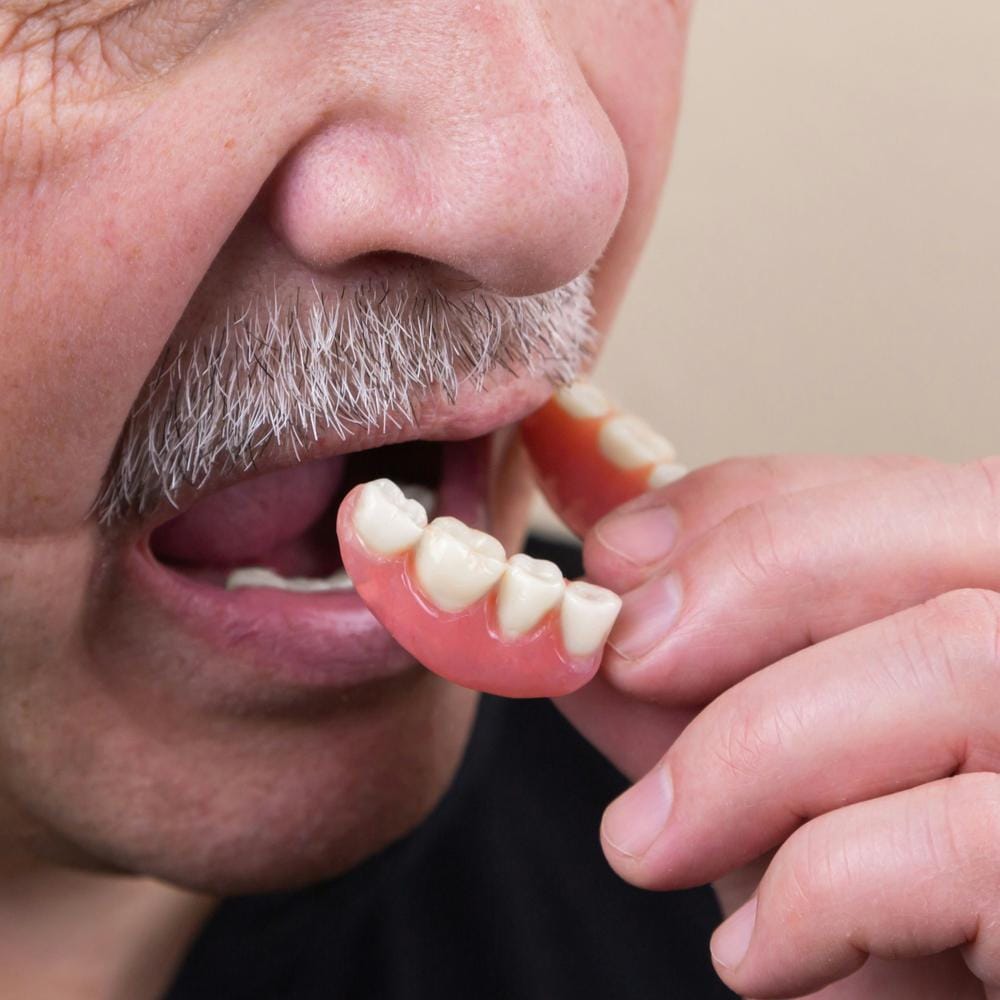
The term ‘overdenture’ refers to any removable prosthesis that can be supported by your existing teeth or dental implants. It is the perfect long-lasting solution for patients with multiple broken, worn or missing teeth that are causing continuous pain and embarrassment. Let’s explore the different types of overdentures, their benefits and their disadvantages.
What are the different types of overdentures?
A tooth-supported overdenture uses special clasps or clips to attach to the healthy teeth that are adjacent to the gap you wish to fill. The second type is an implant-retained overdenture. This treatment uses dental implants to hold the overdenture in place, rather than attaching it to your gum and jawbone. The best option for you will be dictated by your existing bone density and oral health.
Benefits of an overdenture
There are many benefits to having an overdenture. It quickly restores your smile by replacing multiple teeth with just one device, inspiring you to smile with pride once again, while simultaneously helping you to speak confidently. Filling these gaps also helps to prevent tooth migration and bone loss, two common side effects of missing teeth.
If patients choose tooth-supported overdentures, they may not need any teeth extracting at all, making it a minimally invasive treatment. Comparatively, individuals wanting an implant-retained overdenture face invasive surgery. How long does an overdenture last? Tooth-supported options provide up to 10 years of wear, whereas implant-retained options offer up to 20 years.
Disadvantages of an overdenture
Overdentures, particularly tooth-supported options, have disadvantages that should be taken into consideration before having one fitted. If your existing teeth are being used to fix something in place, this pressure actually has the ability to damage its enamel. In addition to this, if you fail to clean your appliance properly, food and bacteria may become trapped. This leads to issues such as gum disease, cavities and tooth decay.
What about an implant overdenture? As mentioned earlier, surgery is required, which is then followed by a 3-4 month healing period (sometimes longer). During this time, the implant can fail, and there is a risk of infection. Many people also require additional treatments (like bone grafts) to be able to have dental implants. This adds to your overall costs and recovery time.
Overdenture cost UK
Yorkshire Dental Suite offers a full set of tooth-supported overdentures from £900 to £1,500. On the other hand, the price of an implant-retained overdenture cost starts at £8,000. We provide finance options to help you spread the cost of your procedure over a period of time.
You may be wondering, are overdentures available on the NHS? They are! This dental prosthesis falls under the Band 3 category, costing patients £326.70. However, appointment availability will be significantly worse than a private clinic, you will be faced with a lengthy waiting list and the materials used are not as premium.
Implant-retained overdentures vs tooth-supported overdenture
Let’s do a quick comparison of the two types of overdentures:
Consideration | Implant-retained overdenture | Tooth-supported overdenture |
|---|---|---|
Price | £900 - £1,500 | £8,000 |
Longevity | Up to 20 years | Up to 10 years |
Invasiveness | Yes | No (if tooth extraction isn't necessary) |
Conclusion:
Choose Yorkshire Dental Suite for your overdenture. Your teeth will be transformed by dental professionals who are at the very top of their game, in a spa-like atmosphere that makes even our most nervous patients feel comfortable. Book your consultation today to restore your smile, confidence and quality of life.