Why Consider Replacing A Missing Tooth?
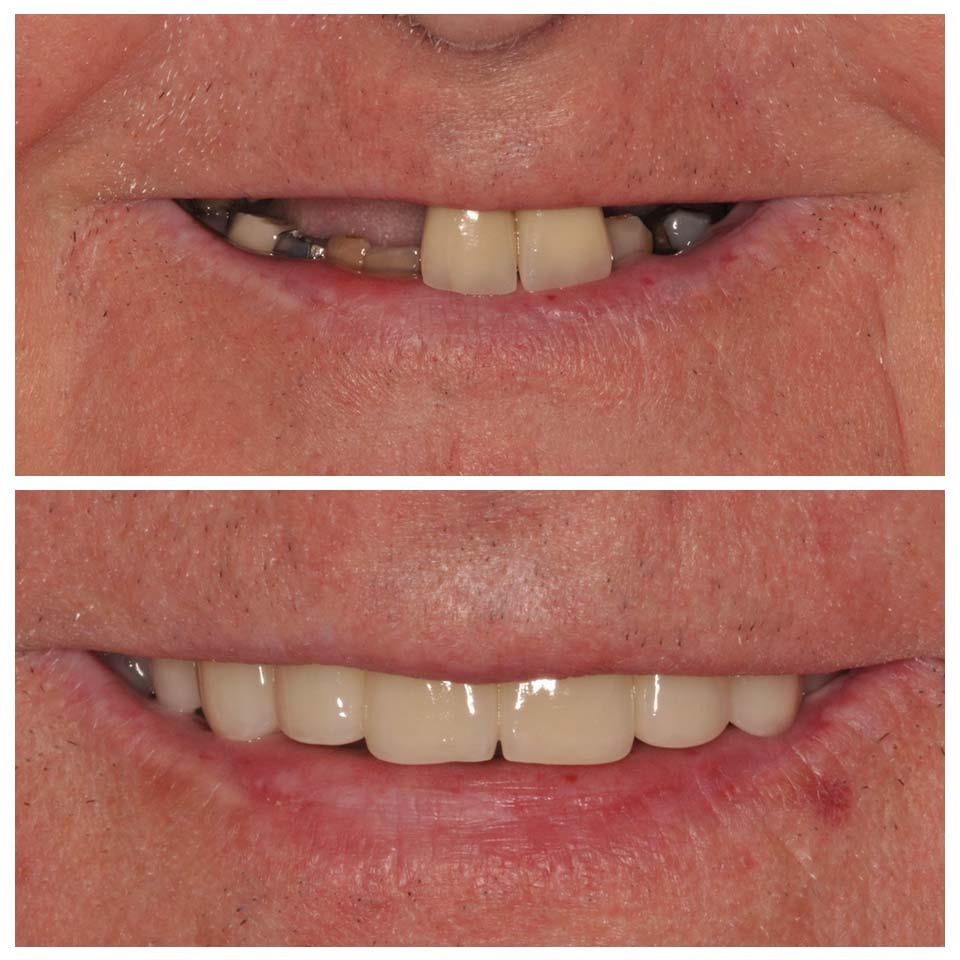
A missing tooth may not seem like a big deal, especially if the space isn’t visible when you smile. So, why consider replacing a missing tooth? Gaps can actually lead to many health issues, alongside visible changes to your facial structure. Therefore, it is important to replace missing teeth.
Tooth Migration
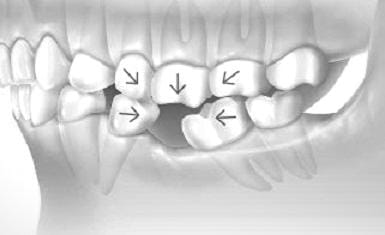
Tooth migration means that your teeth are moving away from their original position over time. There are two types, the first one being horizontal tooth migration. This means that teeth are moving sideways into your gap. Why? Well, as they no longer have any support, the teeth move until they come into contact with another.
The second type is vertical tooth migration. A particularly disruptive type of movement, this happens when a tooth opposite a gap begins to drift up or down to fill the space. This may lead to ulcers and irritation. In addition to this, when your teeth begin to move it affects the way your bottom and top jaws meet, causing an irregular bite. Headaches, chipped teeth and painful joint problems can then arise.
Bone Loss
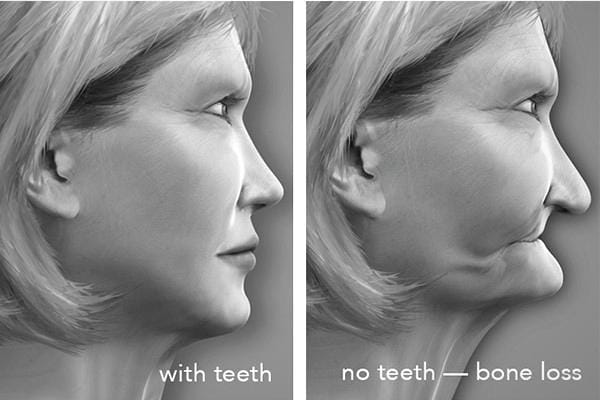
When a tooth is lost, there is no stimulation of the jawbone, causing it to gradually deteriorate. For patients with multiple missing teeth, this bone loss has the ability to have a significant impact on the features of your face. Lips may collapse inwards, the jawline loses definition and your chin rotates forward.
The more severe the bone loss, the trickier some procedures become when you finally consider filling your gap, such as dental implants. Bone grafts are a great way to address this issue and restore your smile.
Smile Misalignment
Many patients experiencing tooth migration have misalignment issues. If you want to preserve the straightness of your smile, it is worth filling the gap to avoid subsequent crowding and crookedness. Misaligned teeth generally tend to be harder to clean, which may lead to numerous oral health issues such as gum disease. This is a result of the bacteria build-up in-between the teeth.
If this build-up worsens, it can actually lead to further tooth loss. Did you know? Your eligibility for certain dental treatments are also hindered if you have gaps in your smile, including clear aligners.
Chewing & Biting Problems
Teeth play a vital role in your general health. When you chew, you are breaking down food in order to absorb all of its proteins, vitamins and nutrients. This process can be negatively impacted by missing teeth. As mentioned earlier, tooth loss alters your bite and the alignment of your smile. If your teeth are not meeting properly when biting down or chewing, your existing teeth are at a heightened risk of wear and tear.
Something else to note is that, if food gets stuck in the gap, you may have some pain and sensitivity caused by the lingering bacteria.
Filling The Gap
There are many treatments you can choose from to fill the gap left by a missing tooth.
- Teeth Implants: This process includes placing a grade 5 titanium implant into your jawbone. An abutment is attached to the tooth implant, before a crown is finally fitted on top. A long-term solution, dental implants last up to 20 years.
- Bridges: A false tooth is securely attached to the adjacent teeth to fill the unwanted space. They are meticulously crafted to match the colour and shape of the neighbouring teeth and usually last around 10 years with proper care.
- Dentures: Wondering how to fix missing teeth without implants? Patients can opt for fixed dentures or removable dentures to fill their smile. Hosting a longevity of 7-10 years, dentures are supported by your other teeth, much like a bridge.
Conclusion:
While a missing tooth may not seem very significant at first, it has some side effects on both your health and the appearance of your smile. Yorkshire Dental Suite provides many dental treatments to fill the gap – contact us today to find out more.