Bad Teeth Causes & Treatment Options
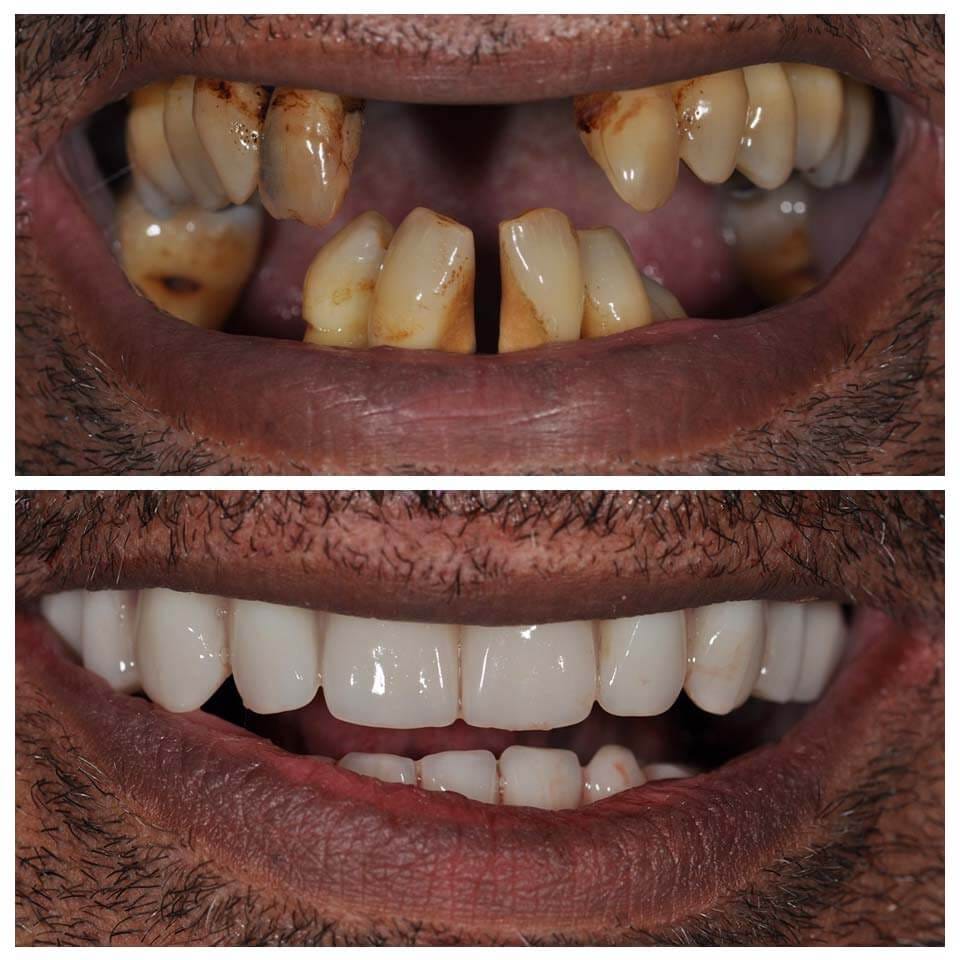
If you have bad teeth contact us to discuss your treatment options, pricing and pay monthly finance.
The term ‘bad teeth’ means something different to everyone. Referring to an umbrella of issues, bad teeth can be attributed to many factors, including genetics, inadequate oral hygiene and neglect. Many of these issues are fixable, allowing you to restore confidence in your smile once again.
Are Bad Teeth Inherited?
Bad teeth can be inherited; this is because genes influence how your teeth develop. If they do not form properly, your enamel is weaker, and therefore less resistant to bacteria. This may then lead to tooth decay, erosion and gum disease. However, not all dental problems are hereditary.
Causes Of Bad Teeth
A common question is, what are the causes of bad teeth?
- Genetic influences: Misalignments and oral health issues can be inherited.
- Eating too many sugary foods and drinks: Contributes to tooth decay, pain, discolouration and bad breath.
- Dental cavities: Pain, infection, tooth loss and difficulties with eating are all side effects of cavities.
- Not brushing your teeth: This causes plaque build-up, which then leads to decay and conditions such as gingivitis.
- Age: Cavities are very common in young children and teenagers. Older people are also at a higher risk of tooth decay as their teeth begin to wear down and gums recede.
- Medical conditions: Diseases such as cancer and their treatments can impact your mouth and teeth hugely.
- Accidents: It is possible that injury to the mouth leads to chipping and tooth loss.
- Bruxism: Known as teeth grinding, it may cause cracking and loose teeth.
- Smoking and drinking alcohol: Both are known to discolour teeth and cause mouth cancer.
Let’s discuss the different types of bad teeth and any suitable procedures.
Yellow Teeth
Whether your teeth are yellow, stained or blackened by habits such as smoking, discolouration impacts your confidence. A great treatment option for this is Nanofill Composite Bonding®.
Yorkshire Dental Suite’s trademarked process includes painting a hard-wearing resin over your teeth. The resin is hand-sculpted by your dentist for a white, brighter-looking smile that lasts 3-8 years with proper care.
Alternatively, choose a tooth whitening treatment. Our at-home kit features 16% carbamide peroxide gels, a pioneering formula with the highest viscosity in the market. It adheres to your whitening trays like no other, helping to ensure ultra-quick results that boast a longevity of up to 3 years.
Crooked Teeth
This misalignment is potentially a result of overcrowding in the mouth, or even your genes. When overcrowding happens, your teeth can twist as there isn’t enough room in your jaw.
A tooth extraction may lead to your tooth moving back into its original space and straightening out. Braces for teeth and clear aligners also address crookedness. Both exert pressure on the teeth to encourage gradual movement and straightness.
If your misalignment is mild, opt for Nanofill Composite Bonding®. While this cosmetic procedure doesn’t fix the issue itself, it helps to disguise the crookedness.
Missing Teeth
Got gaps in your smile? Why not choose a dental implant. They are the perfect solution for a single missing tooth or a row of teeth.
Our highly skilled dentists insert a grade 5 titanium implant into your jawbone, before fitting a porcelain crown on top. The implant then fuses with your jawbone while your mouth heals. The implants are a long-term solution, offering up to 20 years with proper care.
Chipped Teeth
Upon first glance, it may seem like a minor inconvenience, but a chipped tooth causes numerous oral health issues if left untreated. This includes infections, decay and gum irritation, as well as a loss of confidence in your smile.
If the chipping is minor, Nanofill Composite Bonding® cosmetically fixes the tooth, restoring a gleaming, uniform smile. Your dentist could also suggest placing a crown on top, carrying out a filling or even performing root canal surgery if the tooth is badly broken and the nerves are exposed.
How To Keep Your Teeth In Good Condition
There are many changes you can make to help keep your teeth in good condition, both big and small. Incorporating these tips into your everyday life may have an impact on the health of your teeth and their appearance.
- Attend check-ups with your dentist 1-2 times a year
- Schedule regular visits with your dental hygienist for a deep clean
- Brush your teeth twice a day with a fluoride toothpaste (don’t forget to floss)
- Quit smoking
- Stay hydrated and drink lots of water
- Cut down on alcohol and sugary foods and drinks
- Replace toothbrushes every 3-4 months to reduce the risk of bacterial build-up and ensure effective brushing
- Do not ignore your oral health issues as they could get worse if untreated
Conclusion:
Good and consistent oral hygiene habits can help prevent your teeth from becoming bad. However, it is important to note that factors outside our control, including age, genetics and medical conditions, can also lead to wear and tear. If you want to address a specific concern, book a dental treatment with Yorkshire Dental Suite to achieve a brilliant smile once more.