What Is A Sinus Lift Procedure?
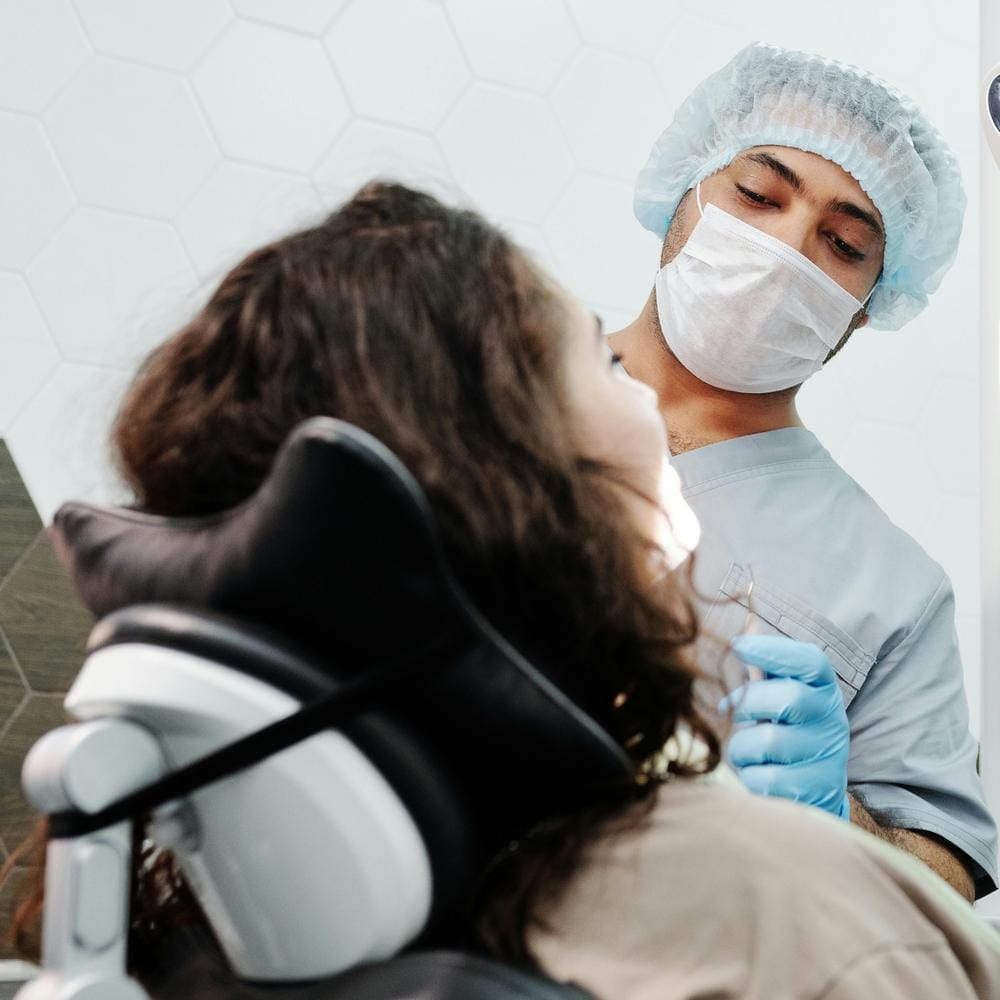
A sinus lift is carried out when a patient wishes to have dental implants in their upper jaw, but does not have the sufficient bone to support an implant. Sometimes referred to as a sinus graft, the surgical procedure builds upon your existing tissue. This creates a strong, secure base for the implants to anchor onto.
Understanding the anatomy
This specific type of bone graft can seem confusing. To better understand the procedure, let’s talk about anatomy. Paranasal sinuses are hollow spaces (cavities) in the skull. Most individuals have four types of sinuses, all of which are connected and named after the bones they are located in.
Name | Location |
|---|---|
Frontal sinuses | Above your eyes and eyebrows. |
Sphenoid sinuses | Behind your eyes. This type of sinus is the deepest inside your head. |
Ethmoid sinuses | Between your eyes, in the upper part of the nose. |
Maxillary sinuses | Under your eyes, behind your cheekbones. |
What causes bone loss?
Bone loss can be attributed to many different factors. When a tooth is missing and not replaced, the bone surrounding the area weakens and shrinks. Gum disease and smoking are also significant contributors, due to their ability to damage the tissue and bone that support your teeth. Other factors include bruxism, age, facial trauma and certain medical conditions such as cancer.
The different sinus lift procedures
There are two main types of sinus lift surgery. The procedure chosen will depend on the amount of existing bone you have and the anatomy of your sinuses.
There is the Lateral Window technique where a small incision is made in the gum, exposing the bone. A window-like opening is made on the side wall bone of the maxillary sinus creating a gap between the bone and membrane. This new space is then filled with donor bone graft material, before being sealed up. The Lateral Window technique is typically carried out when a larger amount of bone graft material is required.
The Osteotome technique is less invasive than the above. This procedure uses osteotomes, a type of instrument used to prepare or cut bone. Your gum tissue is cut, forming a socket in the bone. Using the osteotomes, the sinus floor is repositioned. Finally, the dental implant is placed. The Osteotome technique is typically carried out when the bone graft isn’t as extensive, and the patient already has some existing bone.
What grafting materials are used in a sinus lift?
External factors, such as the amount of bone lost and the risk of rejection, can influence which material is chosen for your sinus lift treatment. Your dentist will talk you through the grafting materials prior to your procedure.
- Xenograft: The graft material is recovered from a donor of one species and grafted into a recipient of another species.
- Autograft: The tissue is taken from the patient’s own body. As there is a lower chance of rejection, this is a popular choice amongst dentists.
- Alloplast: Synthetic, lab-made tissue made from materials such as hydroxyapatite (a naturally-occurring mineral).
- Allograft: A transplantation of tissue taken from a donor of the same species that is not genetically identical.
Benefits of a sinus lift
A sinus lifts allows patients with low bone density to get dental implants. This treatment restores your ability to smile confidently and eat your favourite foods once again without pain. It is also extremely long-lasting too, providing 30+ years of wear if well cared for.
Another great benefit? A sinus lift helps to strengthen the upper jaw and protect against further bone loss – as a result, this minimises the risk of your face puckering and premature sagging.
Sinus lift treatment risks
There are some treatment risks to take into consideration before undergoing a sinus lift. The membrane could puncture or tear during the procedure – however, this can be repaired on the day. For other patients, the surgery needs to be stopped to give the area time to heal.
Sinuses may feel blocked for a few weeks after the treatment, which can cause discomfort to some individuals. Additionally, there is also a chance of infection, alongside failure of the sinus lift altogether. Your dentist will do everything possible to negate these risks and ensure a successful procedure.
Sinus lift aftercare
Following your dentist's aftercare instructions helps to support the success of your sinus lift procedure and minimise the risk of infection and pain.
Dos:
- Stick to a nutritious, soft food diet for at least a week. Avoid consuming anything too hot.
- Take antibiotics (if prescribed).
- Manage pain with your usual over-the-counter medication.
- Keep your mouth clean to protect against infection.
- Apply an icepack to the face if swollen.
- Keep your head elevated for a week to minimise any swelling (even when sleeping).
Dont's:
- Blow your nose or sneeze while holding your nose for the first four weeks – this is imperative to avoid the failure of your sinus lift. Do not sneeze with your mouth open either.
- Travel by aeroplane for at least two weeks.
- Scuba dive for at least two months.
- Use straws or spit.
- Participate in any activities that require a blowing action, such as playing a musical instrument.
- Exercise for at least two weeks.
- Drink alcohol for at least two weeks.
- Smoke or vape.
Some pain, swelling, bruising and slight bleeding can be expected in the first 72 hours following your treatment. If this persists, or the pain worsens, please contact your dentist.
FAQs
If you are considering a sinus lift treatment, it is likely that you have lots of questions. We have listed some of our most common queries below – do not hesitate to contact us if your question hasn’t been answered. We are here to help you make an informed decision.
How painful is a dental sinus lift?
The treatment itself is painless, thanks to dental sedation. However, you may experience some pain once the anaesthetic wears off, especially in the first few days. This can be managed with your usual over-the-counter medication.
How much does a sinus lift cost UK?
This will vary from clinic to clinic. At Yorkshire Dental Suite, our prices start at £1,500.
Are you awake during a sinus lift?
Local anaesthetic is often the preferred choice for a sinus lift.
Will my face change after a sinus lift?
A sinus lift does not change how your exterior face features appear – it only alters the structure of the bone beneath. Having dental implants can improve your face shape. Speak to your dentist about this.
What is the alternative to a sinus lift?
Ask your dentist about zygomatic or pterygoid implants. These special type of implants bypass the jawbone and attach to the other areas of the mouth instead. This speeds up your treatment timeline as no additional time is required for the lift or bone graft to heal.
Dr George (GDC Number 84470) is a Specialist Oral and Implant Surgeon who is extensively trained in complex dental implant surgeries. From zygomatic implants to bone grafts, he is part of Yorkshire Dental Suite's world-class team.

Image reference: britishmedicalexperts.com/dentist-expert-witness/dr-pynadath-george/
How long does a sinus lift last?
The surgery itself lasts approximately two hours or less. This may vary from patient to patient. The full recovery period will also vary depending on your body’s ability to heal, but this usually takes a few months.
What does a failed sinus lift feel like?
There are multiple signs that suggest your sinus lift has failed, such as persistent swelling and pain, fever-like symptoms, bright red bleeding that continues steadily and ongoing nasal drainage. Reach out to your dentist if you experience these symptoms.
Conclusion:
A sinus lift is a great way to give you the bone you need to have dental implants. While it may seem intimidating, it is a very common procedure that offers potentially life-changing results. Wondering about how a sinus lift can benefit your smile? Contact us today to book a consultation.