50 Soft Foods To Eat After Tooth Extraction & Dental Implant Surgery
If you are considering dental implants and investigating life directly after treatment this guide is for you. If you have had implants and are struggling to eat please discuss your options with a dentist.
Yorkshire Dental Suite is dedicated to making your dental implant recovery as smooth as possible. We have put together a complete guide as to what you can and cannot eat in the first two weeks after your treatment, alongside some tasty meal recommendations.
From wisdom tooth extraction to the removal of a broken tooth that is beyond saving, knowing what to eat after tooth extraction can be confusing. It is important to avoid anything that can disrupt the healing process or cause pain and discomfort.
For the first few days, you need to skip foods that are spicy, acidic or require excessive chewing. Instead, choose soft foods that aren’t too hot or cold. Read on to learn about what to include and omit in your diet, both immediately after extraction and beyond.
When can I eat normally after tooth extraction or dental implants?
How long after dental implants can I eat normally?
A common question we often receive is, how long after dental implants can I eat normally? For the first 48 hours after your procedure, try to stick to a liquid diet. Then, for the following two weeks, consume soft, nutritious foods that are free from dairy. We have compiled some suitable options below.
For the first two weeks following your dental implant surgery, stick to a soft food diet only. Then, once these two weeks have passed, you can begin to reintroduce hard foods into your everyday routine. This temporary diet modification supports a smooth, successful recovery.
Please wait 1 - 2 hours before attempting to eat so the local anaesthetic can wear off – this minimises the risk of accidentally biting your cheek or tongue, or even scalding yourself. If you opted for sedation, follow the instructions set out by your dentist.
Why do I need to change my diet after dental implants?
You may be wondering – is this change necessary? While your mouth recovers from the surgery, you will likely experience some pain and swelling, making chewing an uncomfortable task. Soft foods not only lessen the pressure caused by eating, but also minimise the risk of damaging your implant or dislodging a blood clot.
How long after tooth extraction can I eat?
Do not eat or drink at all while still numb from the anaesthetic, as you may accidentally bite your cheek or lip or even scald yourself. So, how long after tooth extraction can I eat then? We would recommend at least three hours. After that, it is recommended to eat soft foods that are not overly hot or cold. Remember to chew on the side of the mouth that hasn’t been treated.
The first 48 hours after tooth extraction
A common question is, when can I eat normally after tooth extraction? At this point, it is likely that the extraction area still feels quite sore and tender. Choose food that requires no (or minimal) chewing, while avoiding spicy, crunchy, sticky and acidic foods. Do not smoke either as this increases the possibility of gaining a painful condition also known as dry socket.
The following days after tooth extraction
What can I eat after tooth extraction in the following days? Keep maintaining a soft, well-balanced diet for at least a week. You should now have the ability to consume hot foods and, if you are looking for more variety in your food, try mashing or puréeing hard vegetables and fruits.
Suitable Foods
Breakfast
Kickstart your day right with a breakfast that is full of flavour.
- Smoothies
- Scrambled eggs
- Cereal
- Porridge
- Pancakes
- Waffles
- Bread (without the crust)
Lunch & Dinner
It is imperative that patients continue to eat and drink regularly after their dental implant procedure, even if you find that your appetite has diminished. Energy is needed to support recovery!
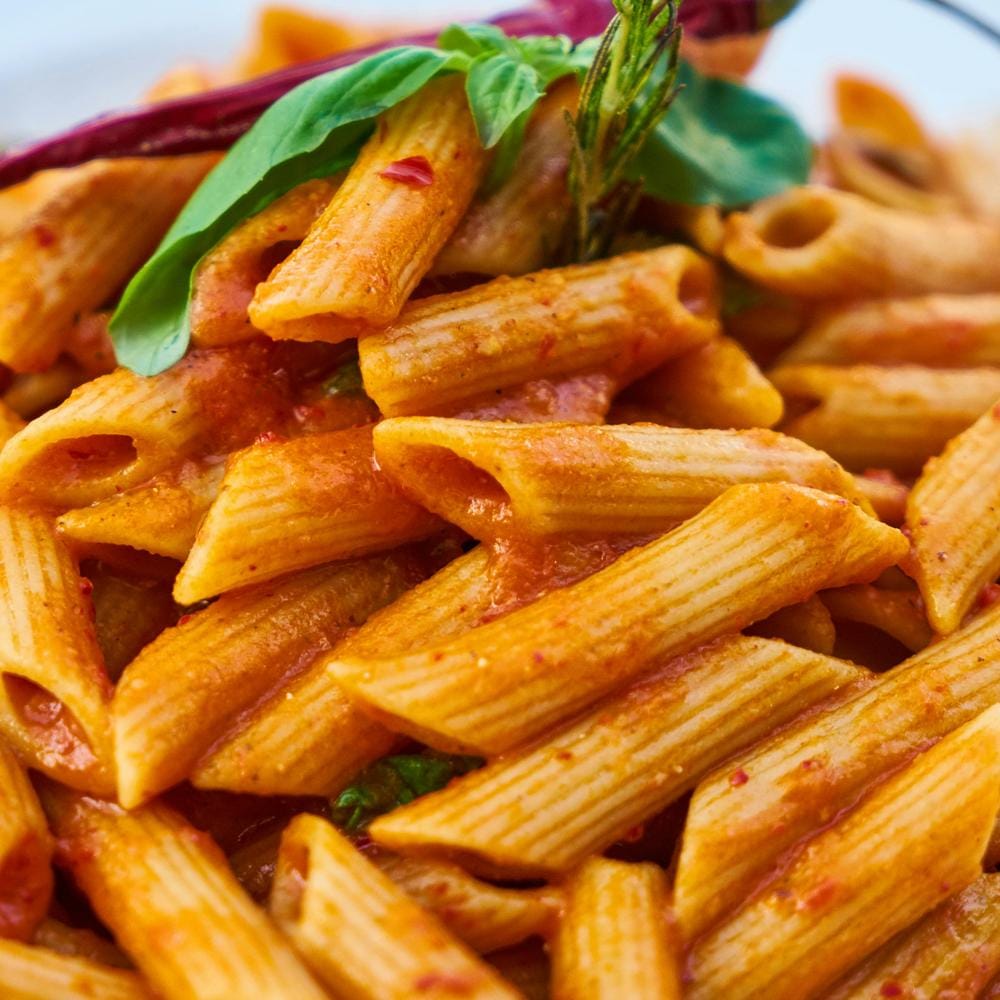
- Pasta
- Soup
- Broth
- Mashed potatoes
- Spam
- Fish
- Noodles
- Sausage meat
- Stew
- Pâté
- Shepherd’s pie
- Dumplings
- Chicken
- Tofu
- Turkey
- Minced beef
- Gravy
Snacks
Perfect for nibbling on throughout the day.
- Hummus
- Muffins
- Cake
- Jelly
- Trifle
- Mousse
- Apple sauce
Fruits & Vegetables
Vitamins, minerals and protein play an essential part in the healing process. While your body recovers from the treatment, it needs plenty of nutrition to help not only rebuild and repair the tissue and bone surrounding the implant site, but also minimise the risk of infection.
- Banana
- Sweet potato
- Avocado
- Cauliflower
- Broccoli
- Lettuce (no stalks)
- Mushrooms
- Squash
- Watermelon (seeds removed)
- Coconut
- Pumpkin
- Mango
- Spinach
Drink Options
It is important to stay hydrated while recovering, so drink lots of liquids. Do not drink alcohol and avoid straws – this puts pressure on the implant site and can cause bleeding.
- Water
- Juice
- Milk (dairy-free alternatives)
Meal Ideas
Looking for some meal inspiration? We have you covered. For breakfast, why not have scrambled eggs on soft, buttery bread with a yoghurt or smoothie on the side. Alternatively, opt for a bowl of oatmeal with a dairy-free milk alternative, such as soya or almond.
What about lunch? A mashed potato is a great option – don’t be afraid to play around with toppings like tuna or baked beans. A tasty soup or broth filled with boiled vegetables is also ideal, especially for patients experiencing pain when chewing. Choose pasta or noodles for your dinner. Pair with the meat of your choice (shredded chicken or something light like a dumpling is perfect), your favourite sauce and a heaping of vegetables. Want something heartier? Why not have a classic shepherd’s pie?
Dental implant diet: Recipes to try out
Knowing what to cook throughout a normal week can be frustrating, never mind while recovering from dental implant surgery. Here are some quick, easy meal ideas to try out while your mouth heals.
Breakfast | Lunch | Dinner | Snacks |
|---|---|---|---|
Pancakes with dairy-free cream and an assortment of fruits | Butternut squash soup with a slice of soft bread | Lasagne with dairy-free cheese and a side salad | Jelly |
Scrambled eggs on lightly toasted bread (no crusts) | Non-spicy noodles served with dumplings and a boiled egg | Tuna pasta (enjoy hot or cold) | Hummus and soft pitta |
Overnight oats featuring mashed banana | Jacket potato topped with tuna or baked beans | Soft tacos with shredded chicken and your choice of toppings | Muffin |
Dos & Don’ts
To avoid damaging your implant, do not eat anything that is hard, crunchy, chewy or sticky. We also recommend cutting out anything spicy or acidic from your diet as this may lead to irritation, alongside smaller foods that are able to get stuck in the implant site (think seeds and legumes).
Generally, any foods that can be cut with the side of a fork are suitable (with none of the above factors). Experiment with textures too - try mashing, blending or boiling your vegetables so they’re nice and soft. Before eating, be sure to make sure your food isn’t too hot or cold to avoid sensitivity.
What not to eat after tooth extraction or dental implants
- Popcorn
- Nuts
- Raw vegetables
- Chewing gum
- Fizzy beverages
- Alcohol
- Rice
- Seeds
- Quinoa
- Citrus fruits
- Hot curries
- Legumes
- Steak
- Ice cream
Why no dairy after dental implant surgery?
You may be wondering - why no dairy after dental implant surgery? Certain dairy products contain bacteria, which can increase your risk of infection if consumed. Therefore, it is better to keep away from it.
Healing after implants – our top five tips
Changes to your diet are not the only way you can support a successful recovery. The following tips have been put together by the experts at Yorkshire Dental Suite – try incorporating them into your routine.
- Maintain a great oral hygiene routine: Brush twice a day (gently) for two minutes at a time. Floss daily too. These steps protect against implant infection.
- Do not smoke: Smoking is one of the biggest causes of implant failure and infection. It also discolours your implants at a rapid rate.
- Do not skip the dentist: Underlying issues can be spotted quicker by a dentist. They will be able to check your mouth is healing as it should.
- Manage pain as you see fit: If you have swelling, try placing an icepack on the jaw. Saltwater rinses help to soothe irritated gums, while general discomfort is often manageable with your typical over-the-counter pain medication.
- Take it easy: Especially in the first 72 hours following the surgery while pain and swelling typically peaks. Avoid strenuous exercise and make sure you are resting as much as possible.
The tooth extraction process
First, the area of extraction is injected with a numbing local anaesthetic. Your dentist will then widen the socket (where the roots of your tooth sit) before loosening the tooth and pulling it out. While the extraction should not hurt, you may experience pressure or hear some unpleasant sounds. Alert your dentist immediately if you do feel pain. After removal, your dentist will instruct you to bite down on a clean gauze to stop any bleeding. Do not swallow the gauze.
Next steps: replacing an extracted tooth
So, do you need to replace a missing tooth? When there are gaps within your mouth, there is an enhanced risk of tooth migration, where the neighbouring teeth move into the new space created. Additionally, tooth loss may lead to malnutrition. This is as a result of patients not being able to chew as efficiently and digest the nutrients acquired in the chewing process. You also cannot have clear aligners, veneers or braces if you have a missing tooth without a prosthetic. Discuss your options with a dentist.
If you are looking to fill the gap, there are many treatments to choose from. The first is a dental implant. This process includes surgically inserting titanium implant into your jawbone, before placing a porcelain crown on top. The implant fuses with your jaw bone replacing a tooth root and providing a secure anchor for a crown or bridge.
If you’ve had a row of teeth removed, another option is a dental implant bridge. A single tooth implant can hold a bridge containing 2 or more adjacent teeth. Alternatively, multiple implants can support a bridge containing 3 or more. This is ideal for individuals who have undergone multiple extractions in the same area. Consult with your dentist to find the best treatment for you.
Eating well while you heal
During your healing process, especially the first 48 hours, be mindful of what you are eating. Consider how gentle these foods are on your teeth and jaw and whether they pose a risk to disrupting a blood clot or becoming dislodged from your gum (something which can then lead to infection). Considering filling the space post-tooth extraction? Learn about dental implants.
By sticking to a soft diet, you are helping to protect your teeth implants from damage and lessen the risk of irritation, infection and pain. If you are remotely concerned about the food recommendations, or have intolerances that need to be taken into consideration, please consult your dentist or a dietician. You know your body best!