Can You Have Dental Implants With Receding Gums?
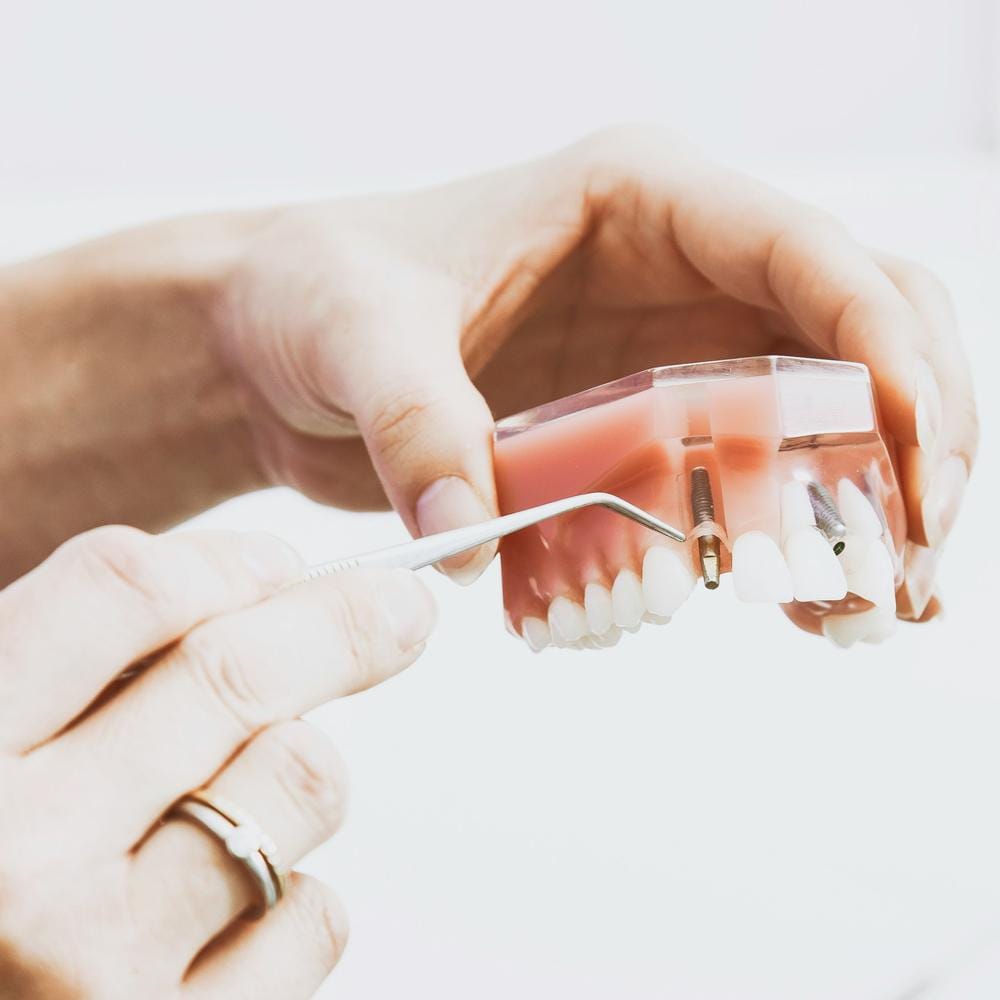
If you are interested in dental implants contact your local YDS clinic to discuss your options, pricing and pay monthly finance.
You may be wondering – can you have dental implants with receding gums? The answer changes from patient to patient. If the recession is severe, additional treatments such as a gum graft is required. This creates a secure base for your implant to attach to.
Comparatively, if your gum recession is minimal and there is enough healthy tissue to hold the implant in place, the dental procedure is completely viable. Your dentist will carry out a thorough oral health assessment before coming up with your treatment plan.
What causes gum recession?
So, what causes gum recession in the first place?
- Gum disease: One of the biggest contributing factors. You cannot have dental implants with gum disease. This will need to be treated in advance.
- Brushing too hard: This rough brushing action can cause your gums to shrink back and wear away the enamel on your teeth.
- Poor oral hygiene: When teeth are brushed incorrectly (or not enough), plaque and tartar begins to build up. This then leads to gum disease and other oral health issues.
- Smoking: This not only contributes to the formation of gum disease, but also hinders your gum’s ability to heal, making them more susceptible to infection.
- Hormones: Fluctuating hormones triggered by events such as puberty and menopause affects the gums in numerous ways. The tissue can recede, swell and bleed.
- Genetics: If you have family members with gum recession, you are potentially more likely to develop the condition.
- Bruxism: The continuous clenching and grinding of teeth places pressure on the teeth and gums. This force leads to wear and tear.
- Injury: Recession may be a side effect of injury to the face.
- Ageing: As we get older, our gums begin to recede naturally.
What is a gum graft?
If your gum recession is more severe, a gum graft is a great treatment option. This type of periodontal surgery provides a solid foundation for a dental implant, helping it to successfully integrate with the jawbone and minimise the risk of implant failure. The procedure also stops infection and sensitivity caused by the gums pulling away from the teeth.
What happens to implants when gums recede?
You’ve had dental implants and your gums are beginning to recede – what happens now? If there isn’t enough gum around an implant, it becomes at risk of being exposed to bugs and bacteria which, in turn, may lead to dental implant failure.
Alert your dentist as soon as possible if you notice gum recession. They will be able to provide treatments such as a gum graft or soft tissue augmentation. Remember – the earlier your recession is identified, the more likely it is that your dentist can save the implant.
Conclusion:
Dental implant treatment is possible with gum recession, but additional procedures may be needed in order to give you the smile you have always wanted. If you already have dental implants and notice your gums starting to pull away from your teeth, contact your dentist immediately.