Water Flossers VS String Floss: Which Is The Better Choice?
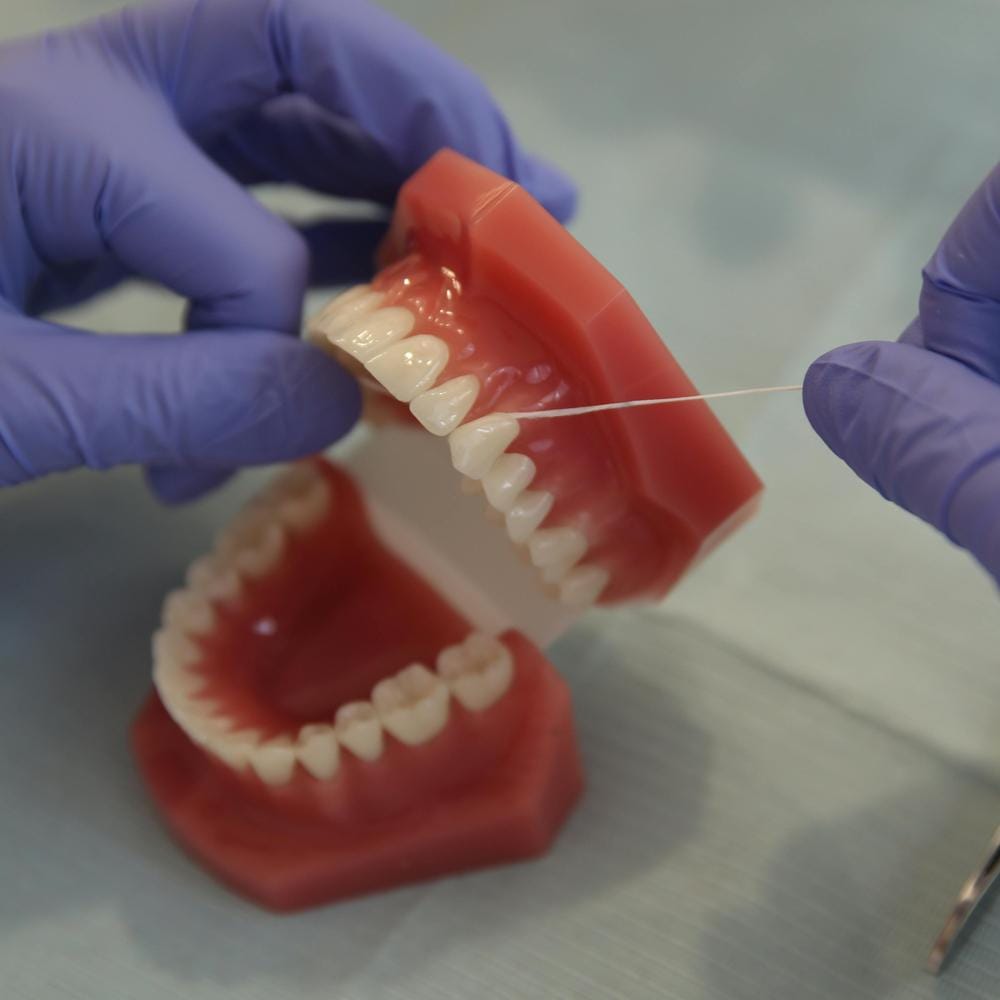
An essential step in your tooth brushing routine, flossing helps to keep your mouth in a healthy condition. But which is better – standard string floss or a water floss? Does one provide a more effective clean than the other? Let’s compare.
What is the purpose of dental floss?
A dental floss removes food particles, bacteria build-up and plaque from between the teeth. It is great for cleaning those small, hard-to-reach areas that a toothbrush simply cannot clean. Designed to be a part of your daily routine, many dental studies suggest that it plays an important role in the prevention of gum disease.
String floss: Pros and cons
This specific type of floss uses a thin thread, typically crafted from nylon or silk, to clean the teeth. It has many advantages:
- Affordable: On average in the UK, string floss costs between £1.50 and £4. Many rolls are usually 50m in length, meaning it can last a long time too.
- Accessible: String floss is widely available. Find it online or over-the-counter in places like supermarkets, chemists and pharmacies.
- Travel friendly: Thanks to its small size, string floss is very portable and perfect for on-the-go use.
- Variety: String flossers come in many forms. From waxed threads to flossers with a delicious minty flavour, you have many options to choose from.
- Easy to use: This type of dental floss glides seamlessly through tight spaces and effortlessly bends while you go round the mouth.
String flossers also have some disadvantages to take into account:
- Time consuming: Manually flossing in-between each tooth takes time and requires patience.
- Not suitable for dental fixtures: The string is easily caught around orthodontic devices such as fixed braces.
- Environmental impact: Nylon, one of the most common materials used for a string floss, is not biodegradable. It takes many years to decompose. Consider using materials like silk or beeswax instead.
- May cause discomfort: If you are flossing incorrectly and the thread catches on the gum, some pain or bleeding can occur.
Water flosser: Pros and cons
A water floss is a handheld device that flushes away build-up with a continuous stream of pulsating, high-pressure water. It has many advantages:
- Easy to use: Once you have learnt how to move and angle the device, many find water flossers to be a very quick and simple addition to their routine.
- Versatile: A water flosser is a great option for orthodontic devices as it will not get stuck on the wire.
- Inclusive: Individuals who suffer with health problems like arthritis may find a water flosser easier to use than string floss.
- Environmental impact: Durable and reusable, water flossers are a long-term purchase. This type of floss also leaves no plastic waste after use.
- Variety: Like an electric toothbrush, there are multiple settings to choose from based on your current oral health needs. For example, some water flossers will come with various pressure settings, making it a great choice for those with sensitive gums.
Water flossers also have some disadvantages to take into account:
- Cost: As they are created with long-term use in mind, water flossers are more expensive than a string flosser. Prices usually start around £20 in the UK.
- Messy: A water flosser can be messy while you are learning how to use it. Remember - practice makes perfect!
- Adjustment period: Learning how to use this device takes a little time, which may cause some frustration.
- Needs charging: This is typically done via USB or a battery of some sort. Water flossers require constant power top-ups.
Water flossers vs string floss: Which is the better choice?
The answer to this changes from patient to patient. If you are looking for something that is cheap and easy to use, a string floss is ideal. On the other hand, if you have limited mobility, wear an orthodontic device or have sensitive gums, opt for a water flosser.
The decision of many patients is also determined by the reusability of the product. In terms of effectiveness, studies suggest that water flossers are the best choice. The pressurised jets is believed to have impressive plaque-removing abilities, not to mention that these devices are gentle on the gums. Other studies note a reduction in bleeding too with a water flosser.
Should you floss your teeth?
The experts at Yorkshire Dental Suite recommend flossing your teeth daily. This action is essential in the prevention of plaque and tartar, and can minimise the risk of gum disease, tooth decay and bad breath.
As long as you are being gentle and using the correct techniques, flossing should not pose a risk to your teeth and gums. However, if you have dental work such as dental implants or composite bonding, extra care needs to be taken to prevent damage. Don’t be embarrassed to ask your dentist about how to floss!
Conclusion:
While both are found to be effective at plaque removal, research suggests that a water flosser is the better choice. If you need flossing guidance or have any questions about your oral health, do not hesitate to contact Yorkshire Dental Suite. We will help you in every way possible.
References: