Dental Implants Pros And Cons
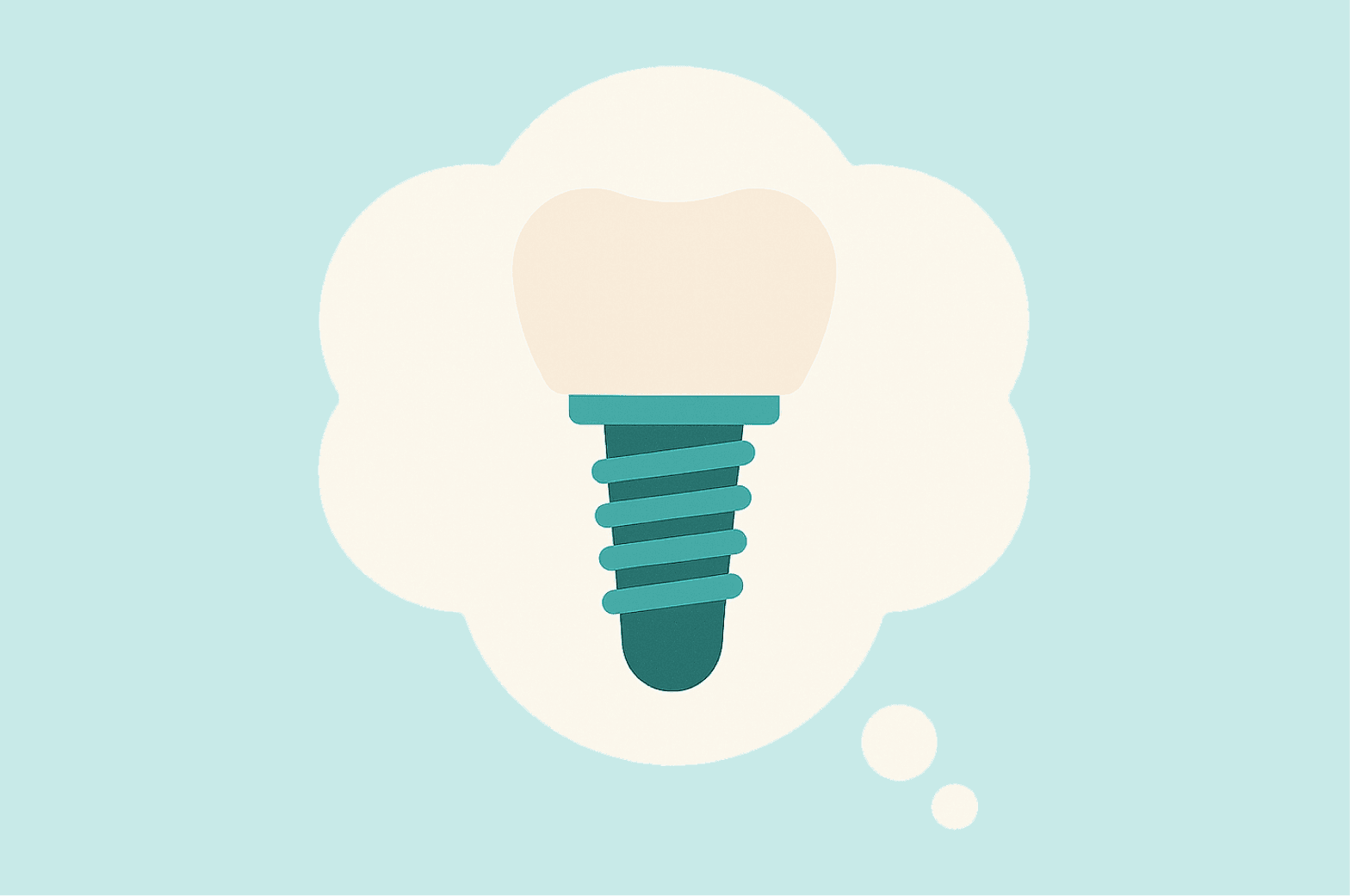
Yorkshire Dental Suite’s team of implantologists specialise in strong, healthy smiles that last 20+ years – book your dental implant consultation now.
Dental implants replace broken, worn and missing teeth. A long-term solution to your ongoing pain and embarrassment, the treatment can transform your quality of life – but is it right for you? Let’s discuss dental implants pros and cons.
Benefits of dental implants
Teeth implants are an extremely popular treatment – and it’s not hard to see why. There are many advantages of dental implants:
- Lasts 20+ years if well cared for
- Smile, laugh and speak with confidence once again
- Allows you to eat your favourite foods without pain
- Indistinguishable from natural teeth
- Prevents bone loss by stimulating natural bone growth
- Stops teeth from migrating into gaps and becoming misaligned
- Replaces loose and ill-fitting dentures that cause ongoing discomfort and inconvenience
Dental implants: Drawbacks to consider
If we are fairly discussing tooth implants pros and cons, we cannot ignore the disadvantages of this treatment. Rest assured your dentist will discuss these with you during your initial consultation.
You may be wondering, what’s the worst part of dental implant treatment? For many patients it’s the cost. There’s no denying that implants are a financial commitment, and the procedure is very rarely available on the NHS. This means you will need to go to a private clinic.
Another disadvantage of dental implants is the recovery period. The treatment requires an invasive surgery that can take up to 7 hours to complete, followed by 3 – 4 months of healing. This period is often where problems with dental implants arise, such as infection or failure of the treatment altogether (if not well cared for).
Other drawbacks of dental implants include the fact that they are not indestructible, meaning they can dislodge or become damaged. This type of dental restoration is also prone to discolouration over time.
Risks of dental implants
Contemplating dental implants? Risks need to first be taken into consideration. We have compiled potential hazards into the following data.
Risk | Risk factor | How to prevent |
Medium | Maintain great oral hygiene, quit smoking and follow a healthy, highly-nutritious diet. | |
Improper implant placement | Low | Do your research and choose a respected dental clinic with experienced dentists. |
Failed osseointegration | Low – Medium (Risk is higher during the patient’s initial healing period) | Maintain great oral hygiene, have no active gum disease and do not smoke. |
Discomfort while recovering | Medium - High | Take your usual over-the-counter pain medication, rinse with saltwater and apply ice (if swollen). |
If any of the following applies, these risks become more likely to occur. Closely follow the aftercare advice set out by your dentist to enjoy the treatment’s full lifespan.
- Smoking
- Poor oral hygiene
- Gum disease
- Bone loss
- Pre-existing medical conditions
- Injury
- Bruxism (clenching and grinding of teeth)
- An incompetent dental implant surgeon
Alternatives to dental implants
If you want to replace damaged and missing teeth without dental implants, you have two options. The first? Dentures. This orthodontic device fits over the gums or clips onto remaining teeth to stay in place.
Your second option is a dental bridge. Ideal for patients who wish to fill large gaps in the mouth, or those with extensive bone loss, a bridge is typically fitted to your existing teeth (unless you opt for an implant-retained bridge).
FAQs
Have lingering questions about dental implants? We’re here to answer them. Do not hesitate to contact us if your query isn’t addressed below. Our experts would be more than happy to help.
Dental implants ruined my life – what do I do now?
We have found that, when a patient is unhappy with dental implants, it is usually down to one reason – implant failure. Whilst this risk can be minimised with proper implant placement and good oral health, it may happen. Enquire with your dentist about future treatments, such as dentures or a bridge.
Are dental implants safe?
Are dental implants dangerous? This is a common question our implantologists receive, and the answer is no – as long as protocols are followed by the dentist and patient.
What are the risks of not getting dental implant treatment?
If you decide not to get a dental implant, you are putting your smile and oral health at risk. Teeth may start to move into gaps, causing your smile to move out of alignment. You could experience artificial ageing due to lack of bone stimulation, while continuing to experience pain and embarrassment.
Can dental implants cause cancer?
There is no scientific evidence that shows a direct link between dental implants and cancer. YDS uses grade 5 titanium as it is very biocompatible with the human body.
Will dental implants affect airport security?
There is a possibility that your dental implants will trigger metal detectors. However, titanium implants are small and have less magnetic properties, meaning that the chances of a metal detector going off are slight.
Can dental implants damage adjacent teeth?
No, if placed properly. On the other hand, if fitted incorrectly, there is a risk of nerve damage. This can impact neighbouring teeth.
Can dental implants be removed?
Yes, but it is not something that happens routinely, and the removal process is very complex. That’s why we always reiterate that dental implants are designed to be a permanent solution.
Are dental implants better than real teeth?
The answer to this depends on how you define ‘better’. Implants are extremely durable and designed to look and feel just like your natural teeth. However, they do not boast the same biting strength.
Are there any long-term side effects of dental implants?
There are some side effects that could arise years on from your implant surgery. For some patients, these could be reasons not to get dental implants.
- Nerve or tissue damage
- Gum recession
- Sinus issues, such as congestion
- Infection around the implant site (peri-implantitis)
- Allergic reaction
Conclusion:
Are dental implants really worth it then? Yes. They can have a life-changing impact, giving you back the ability to smile, eat and live with confidence. Book a consultation with Yorkshire Dental Suite to kickstart your journey to a healthier grin.