Can You Have Dental Implants With Gum Disease?
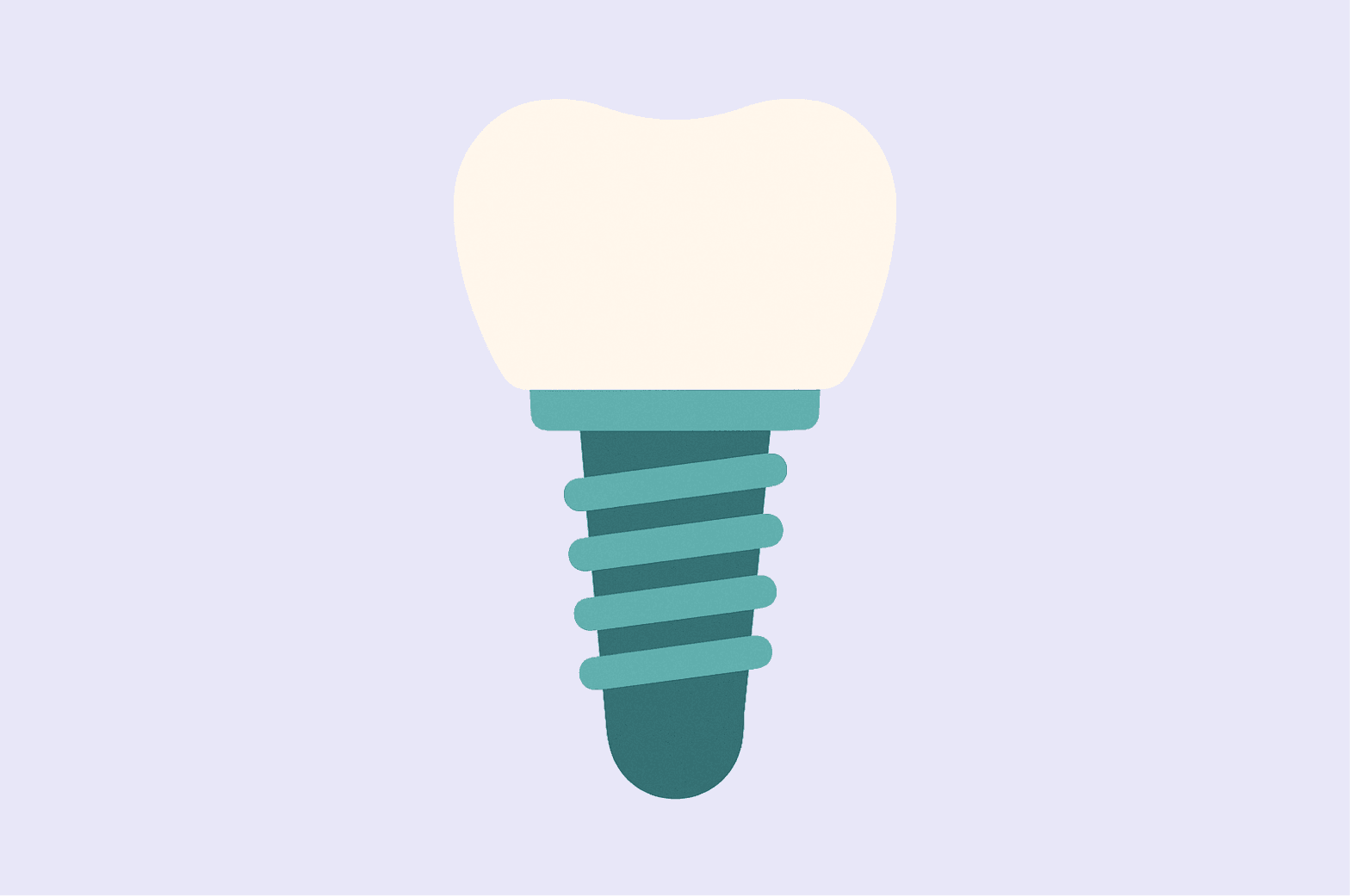
If you are considering dental implants but have gum disease, enquire today about our different hygiene treatments, including Guided Biofilm Therapy (GBT).
Yorkshire Dental Suite does not recommend getting dental implants with periodontal disease (gum disease). This is because it can cause infection or failure of the procedure altogether.
Can you have dental implants with gum disease?
There must be no active gum disease in order to have dental implants. This means that, even if you have struggled with periodontitis in the past, you may still be eligible. However, active gum disease will need to be treated prior to beginning treatment.
Allow us to explain. Gum disease is one of the most common causes of implant infection (peri-implantitis). This condition has the ability to cause ongoing pain, difficulties when chewing, bone loss and even failure of the implant. It is therefore safer to have no periodontitis before having your implants fitted.
The importance of gum health in dental implant success
You may be wondering how gum disease affects dental implants. Put simply, implants need a secure base in order to successfully fuse to the jawbone, a process called osseointegration. Healthy gums protect the underlying bone and help to hold the implants in place, encouraging this process to occur.
If the gums are infected however it may lead to bone loss, which compromises the stability of the implant. Additionally, if you are experiencing gum recession as a result of your periodontitis, it exposes your implant to bacteria and infections.
Dental implants & gum disease: Treatment options
Do you want dental implants? For severe gum disease, UK patients will need to first book one (or multiple) hygienist appointments to be eligible for treatment. Your dentist will typically recommend one of the following:
- Scaling and root planing: Removes plaque and tartar both above and below the gumline.
- Guided Biofilm Therapy (GBT): Cleans the teeth of plaque (biofilm).
- Laser therapy: Removes bacteria and infected tissues.
- Antibiotics: Helps to reduce bacterial growth and support healing.
- Pocket reduction surgery: If the gum disease is too deep for a hygienist to reach, your dentist can uncover the gums to remove plaque, tartar and bacteria.
Dental implants and gum disease treatments are not the only combination you may need to make your dream smile come to life. The following underlying issues must also be fixed prior to the day of your procedure.
- Bone loss: Implants need a secure base to anchor onto. Bone grafts and sinus lifts are two great treatment options, as well as zygomatic and pterygoid implants.
- Receding gums: This issue leaves your implants susceptible to bacteria. Dentists can remedy any recession with a gum graft.
How long after gum disease treatment can implants be placed?
The answer to this question changes based on the treatment you have and the severity of your gum disease. The time you need to wait between your dental implants and periodontal disease procedures may vary from a few weeks to six months (or longer). Your dentist will be able to give you a clear treatment timeline.
Dental implant alternatives
Dental implants are not for everyone. Luckily, there are some great alternatives that replace broken, worn and missing teeth with a beautiful smile that restores your quality of life.
Consideration | ||
How does it work? | False teeth that fit over the gums or clip onto remaining teeth. | Fills gaps in the smile by attaching to the teeth surrounding the space. |
What is it made from? | Acrylic resin, zirconia or porcelain | Zirconia |
Treatment lifespan | 7 – 20+ years* | 5 – 20+ years* |
Is it removable? | Yes* | Yes* |
Cost (excluding additional procedures) | From £2,000 | From £1,200 |
*Depending on the type you have
Conclusion:
Can you have implants with gum disease? Yes, if treated. Yorkshire Dental Suite offers a wide range of treatments that will help to address your gum disease and prepare you for your dental implant journey. Book a consultation today.