Dental Implants
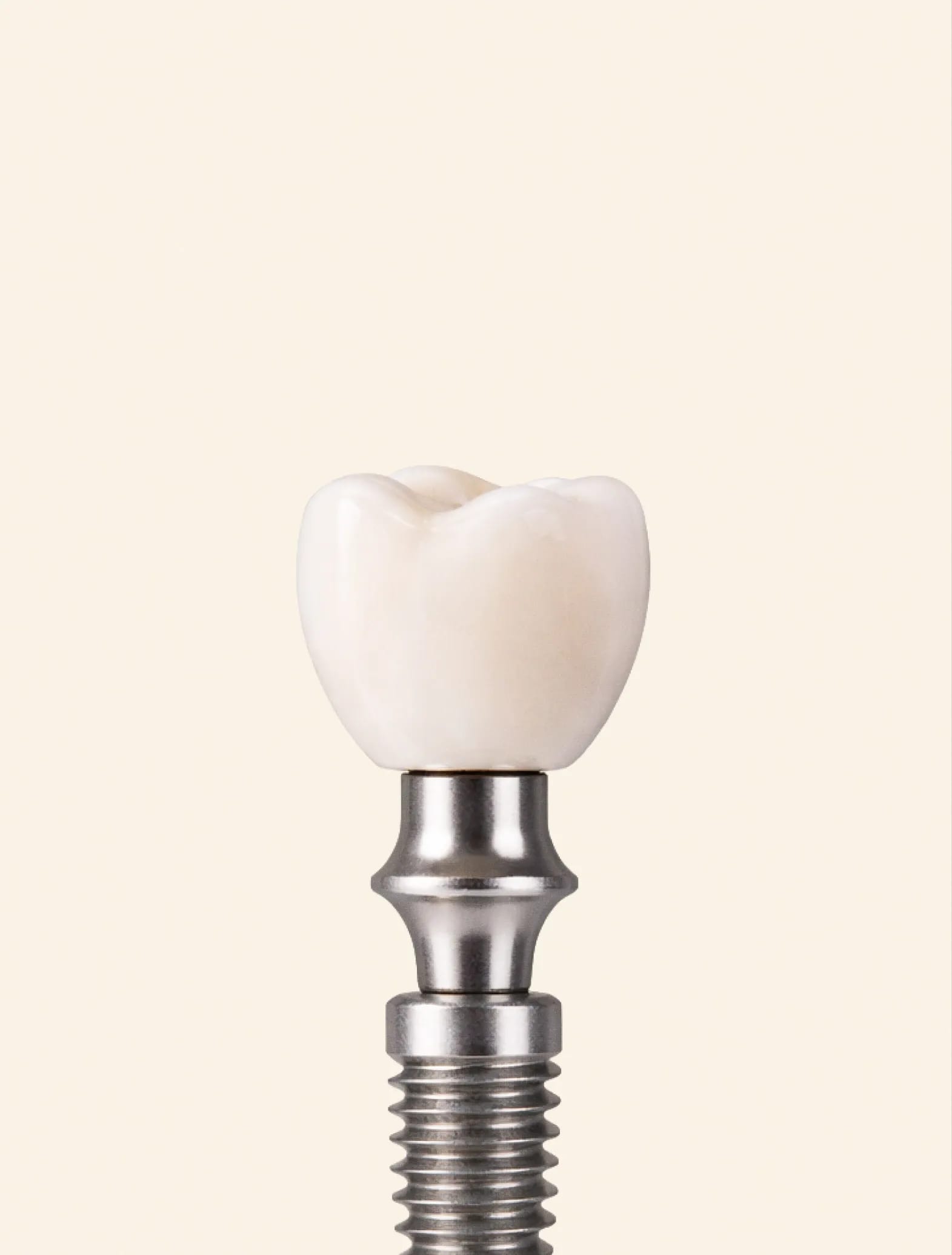
Ideal when dentures and bridgework do not fit, or teeth are loose or missing, dental implants use titanium screwlike posts placed into the jawbone, acting as a natural tooth root which is topped with a porcelain crown, zirconia bridge or acrylic denture.
Replacing damaged, decaying, discoloured and missing teeth, the dental implant procedure is pain-free with local anaesthetic, carried out in just one appointment (full osseointegration takes 3 - 6 months) and lasts 30+ years with care.
Book a consultation to check eligibility for dental implants and to discuss treatment options.
Dental implant specialists
CQC regulations Met: Safe, Effective, Caring, Responsive, Well-Led
Founder and experienced oral surgeon Dr Adul Dalghous [GDC 81805] heads a team of 80 internationally renowned dentists, orthodontists and oral surgeons across nine cutting-edge clinics located throughout the UK. In addition, a dedicated dental laboratory and in-clinic fabrication tools give full control over the prototyping, materials and design of each implant, crown, and bridge, creating new smiles that are indistinguishable from perfect natural teeth.
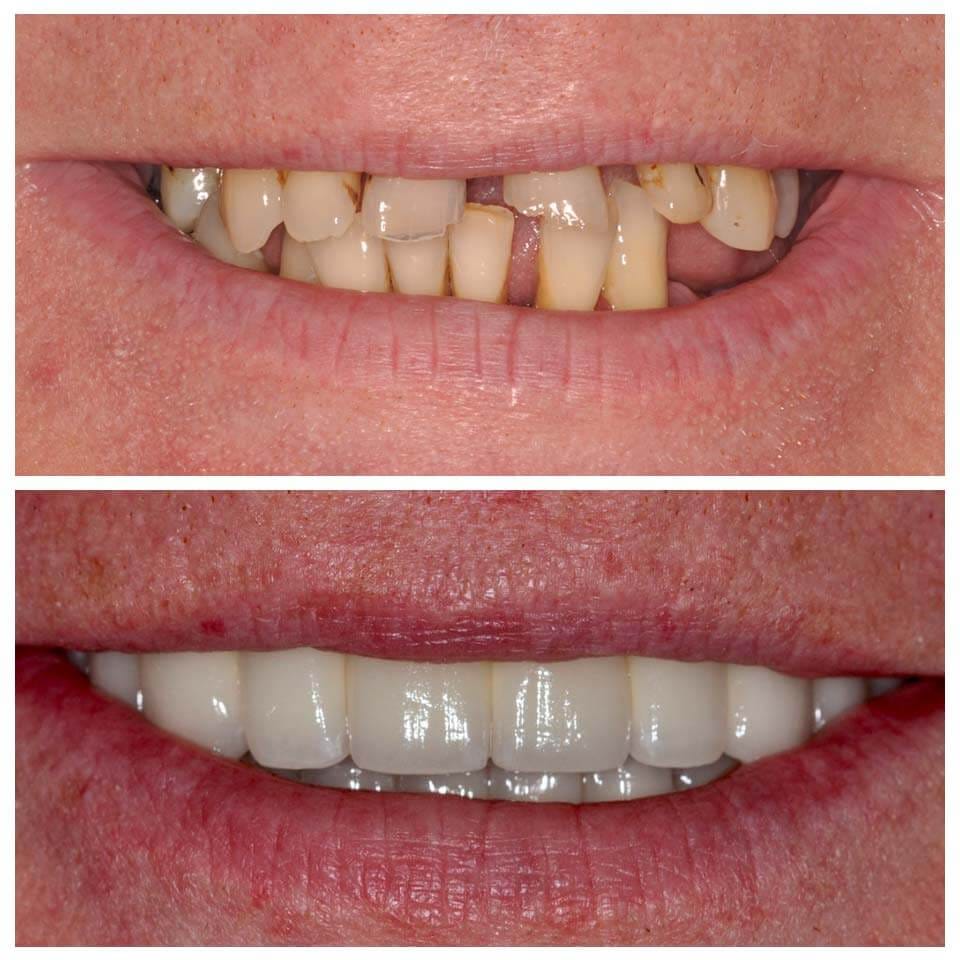
Dental implants before and after photos
From a single tooth replacement to an All-on-4 arch or whole mouth implant restoration, see the results from patients old and young, located throughout the UK, who have trusted their smiles to Yorkshire Dental Suite.
What is a dental implant?
This treatment uses a titanium post inserted into the jawbone to replace a missing tooth. The bone fuses to the implant, followed by an abutment which secures a porcelain crown, or zirconia bridge in place.
This safe and simple surgical procedure is painless with local anaesthetic and takes around half an hour per tooth. Most patients experience some minor pushing and pulling during treatment.
Patients will experience some discomfort following the main procedure including pain, swelling and bruising which can be managed with over-the-counter paracetamol or ibuprofen.
While the outcome can’t be guaranteed, treatment has a high success rate, with studies showing 88% of patients have implants that last over 30 years. This highlights the importance of planning and after care to prevent implant failure.
Treatment prices vary based on the condition of gums, teeth and jaw, as well as the number of teeth being replaced, type of prosthetic, and choice of sedation.
Worried about implants?
From dental phobias to concerns about eligibility, finance or travel, contact a local Yorkshire Dental Suite clinic today to put your mind at ease.
Teeth implants: UK prices
Implants are only available from the NHS if there is a medical need e.g. oral cancer or a congenital birth issue. For most patients, private dental care is the only choice.
Types of dental implants
There are many types of dental implants available. The choice depends on your budget, the number of teeth being replaced, and condition of gums and bone density. Discuss your options with a Yorkshire Dental Suite dentist today.
- Same Day Dental Implants: Exclusive to Yorkshire Dental Suite, Teeth in a Day™ fits temporary teeth the same day as extraction, giving you a new smile from day one. Full treatment takes several months with final crowns or bridges being fit once implants have fused with the jawbone.
- Implant-supported bridge: Where several teeth are replaced, a bridge is used instead of having multiple single implants. Containing two or more teeth, each bridge is supported by a small number of implants, for example, 2 teeth on 1 implant, or 4 teeth on 2 implants.
- Single tooth implant: Replace individual teeth with a single implant capped by a porcelain or zirconia crown that looks and feels just like a natural tooth.
- Implant-retained dentures: Blends the cost saving and convenience of a removable denture with the security and stability of an implant-retained bridge.
Other names for implants
There are many different names for implants. Knowing the difference can help guide a decision.
- False tooth: Another name for a single tooth implant.
- All-on-4 dental implants: A zirconia bridge containing 10 teeth supported by 4 dental implants. Used to replace a jaw of teeth.
- Full mouth dental implants: 2 bridges of 10 teeth each, supported by 4 implants, that replace both upper and lower sets of teeth.
- Turkey Teeth: Implants are one of many treatments often labelled as Turkey teeth.
Implants with bone loss
Bone loss (resorption) is caused by tooth loss, affecting the implant’s ability to fuse with the jawbone and causing implant failure if untreated. There are several solutions available to remedy this issue. Discuss options with a dentist during your consultation.
- Bone graft: Donor bone fuses with your jaw to build up affected areas. This adds time to your treatment and is required before implants can be started.
- Zygomatic implant: Used in the upper jaw only, zygomatic implants are long angled implants that fuse with the zygoma bone in your cheek.
- Pterygoid implants: Used in the upper jaw only, pterygoid implants are long angled implants attach to the medial pterygoid plate.
- Sinus lift: Used in the upper jaw only, this places a bone graft between the upper jaw and sinus cavity to help secure an implant.
- Subperiosteal implants: Uses a titanium framework attached across the jawbone to secure an implant bridge.
Issues that can prevent successful implantation
In addition to bone loss there are several conditions that can prevent you from being eligible for dental implants.
- Gum disease/gingivitis (periodontal disease): Requires treatment from a hygienist or, in some cases, antibiotics before implants can be started.
- Receding gums: Requires a gum graft to repair gums before implants can be started.
- Pre-existing medical conditions (heart issues, diabetes): Requires the approval of your GP before implants can be started.
Benefits of dental implants
During the three to six months following the procedure, osseointegration fuses the implant to the jawbone. This provides a secure foundation for a crown or bridge, prevents bone loss by stimulating natural bone growth, and stops teeth from migrating into gaps affecting bite. Implants protect healthy teeth and reduce facial collapse (puckering) to improve appearance.
- Smile, laugh and speak confidently once again with dental implants.
- Loose or ill-fitting dentures are uncomfortable and inconvenient. Replace them with implants and enjoy a life where there is no worry about teeth.
- Enjoy steak, apples and culinary favourites with a strong bite and confident chew.
- PPMA, porcelain and zirconia implants look and feel natural, functioning like a real tooth. They’re easy to maintain and impervious to decay, giving up to 30+ years of use with care.
- While the up-front cost of treatment can be daunting, the many years of expected use make implants one of the most cost-effective dental surgeries.
The dental implant procedure
Teeth In A Day™ creates new teeth using a temporary acrylic bridge the same day as the surgery. The full procedure takes several months and can vary based on the number and type of implants and length of any supporting procedures required.
- Book a consultation
Consultations test a patient’s eligibility for treatment. In addition to having your treatment options clearly explained, you will also receive a full dental examination and review of your medical history, alongside a CBCT scan, 3D imaging and X-ray to check if there is enough healthy jawbone for implantation.
If other issues that impact eligibility are found, like gum disease or bone loss, additional procedures will be suggested.
Your plan covers all treatments, costs and timescales. Don’t forget to discuss finance before giving consent and booking in a treatment day. - Implant placement
Your specialist will be either an oral surgeon or specially trained dental implantologist. A single implant can take as little as 30 minutes with full mouth treatment taking several hours (with breaks). Treatment is painless with local anaesthetic which numbs the gum and jaw. Patients remain awake but relaxed throughout.
A small incision is made into the gum and a hole drilled into the jawbone. A grade 5 titanium post is screwed to the bone and an abutment attached before the gum is repaired with a few stitches. A temporary crown or bridge is attached the same day as the surgery. - Osseointegration & healing
Return home for 3-6 months while the implant fuses to the bone creating a new stable tooth root. This can cause implants to move and is why final crowns or bridges are not fit the same day.
While surgery is painless, pain, swelling and soreness can be challenging over the next few days. Treat this with your usual over-the-counter painkillers. - Crafting your smile
Once healed, digital scans map the contours of gums and implants. The final hand-painted crowns or bridges are then manufactured in our dedicated dental laboratory.
The temporary teeth are removed, and new custom-made teeth are attached using screws or dental cement.
Full mouth procedures use two bridges containing up to 10 teeth each supported by a minimum of 4 implants in each jaw. Other solutions may include a combination of single teeth and partial bridges.
What are the alternatives to dental implants
Implants replace a damaged or missing tooth root with a titanium post that supports a crown or bridge of teeth. A dental bridge sits on top of the gum and uses adjacent teeth to support a bridge of teeth. Dentures are removable false teeth that are not fixed in place.
Consideration | Implant | Bridge | Denture |
|---|---|---|---|
Longevity | 30+ years | 7 - 15 years | 5 - 10 years |
Bone loss | Prevents bone loss | No prevention | Can accelerate loss |
Neighbouring teeth | No damage | Alters neighbouring teeth | Can stress neighbouring teeth |
Value | Lifetime | Medium | Short |
Who is eligible for dental implants?
A beautiful confident smile is a possibility for most. If a dentist suggests dentures, then eligibility is almost certain. Acceptance is based on the health of your gums and bone tissue which improves osseointegration, reducing the risk of infection and implant failure.
A consultation will confirm eligibility or identify any treatments needed before implants can be started. This includes bone grafts, gum grafts and treating gum disease.
Dentists recommend to stop smoking, avoid heavy alcohol use or taking recreational drugs as these increase the risk of implant failure. Conditions such as bruxism (grinding teeth), radiotherapy treatment, heart conditions, uncontrolled diabetes and bone loss medication (bisphosphonates) can also impact eligibility. Please discuss any conditions with the dentist during your consultation.
What to do after tooth implant surgery
After surgery gums can become bruised, swelling and bleeding for several days. This is normal. To treat any symptoms:
- Take over-the-counter pain relief (paracetamol or ibuprofen)
- Use any antibiotics prescribed by your dentist to reduce infection
- Eat soft food including pasta, rice, soup and smoothies while you heal
- Rinse with saltwater every 3 hours
- Hold an icepack against painful areas (do not put ice directly on your skin)
- If bleeding, bite into damp gauze for 10-15 minutes.
Potential dental implant complications
Treatments have a 95% success rate - however complications can occur through smoking or vaping, gum disease, undiagnosed diabetes and a lack of care for the implants, crowns and bridges.
Temporary acrylic teeth are not as durable as porcelain or zirconia. Avoid biting onto hard, sticky or crunchy foods and do not bite or chew pencils, pen lids or other non-food objects while healing.
Excessive bleeding, swelling and bruising should be discussed with a dentist. Be aware of nerve damage causing numbness or tingling of the tongue, lips or jaw.
If implants fail (peri implantitis), they can be removed and new implants fit once the gum has healed. This is a new procedure requiring additional investment.
Find dental implants near me
From nine state of the art dental clinics located throughout the UK, a new confident smile is within reach. Start your journey when you find your local Yorkshire Dental Suite specialist and book your consultation today.
Dental implants FAQs
Still have questions about dental implants? We're here to answer them.
Should I get dental implants in Turkey?
On the 16th July 2022 the BBC documentary titled “Turkey teeth: Bargain smiles or big mistake?” exposed the overseas dental implant industry. While travelling overseas for cheap dental treatment can seem like a good deal, the reality is it comes with some significant risks.
- 58% of clinics offered unnecessary treatment
- Clinics advertised a different treatment to the one performed
- In most cases UK dentists will not treat patients who have had Turkey teeth abroad
How much do tooth implants cost on the NHS?
Dental implants are a Band 3 NHS treatment costing £319.10 and have an average waiting time of 18 weeks. Not everyone is eligible for NHS dental implants as treatment is limited to where there is a medical need. As a result, most patients must seek a private dentist to carry out the procedure. With private treatments there is no waiting list and treatment can be started quickly.
How much are private dental implants?
Price | |
|---|---|
Consultation | £95 |
Single tooth implant | £2,800 |
All-on-4 dental implants | From £11,995 |
Full mouth dental implants | From £19,995 |
Spread the cost of treatment with flexible 60 months 9.9% and 12 months 0% finance plans.
Representative example of a finance plan for a Dual Arch Platinum Dental Implants package. Cash price £29,995.00, loan term of 60 months repayable at £624.68 per month at 9.9% APR Representative. The total amount of credit would be £29,995.00, with a total interest cost of £7,485.81. This means the total amount repayable is £37,480.81.
How to get free dental implants in the UK
There are no free or government grant-based implant treatments available. A small number of patients are eligible for NHS implants costing £319.10. For the majority, private All-on-4 implants cost from £11,995, with full mouth implants costing from £19,995.
How to make dental implants affordable
The cost of treatment increases based on the amount of preparation needed to make gums and bone eligible for implants, and the number, type and materials of implants being used. To make implants affordable first have any gum disease or outstanding dental issues treated. The most affordable type of implants are PPMA (Poly Methyl Methacrylate), an acrylic bridge supported by a titanium bar.
What is a Strauman implant?
Strauman is a Swiss manufacturer of dental implants and related technology.
Why no dairy after a dental implants?
Dairy contains bacteria that can increase the risk of infection.
Can I get dental implants for a front tooth?
Front tooth implants are available from £2,800. They use a grade 5 titanium screwlike post capped with a porcelain or zirconia crown that is designed to look and perform like a natural tooth.
Can I get dental implants for a molar tooth?
Molar tooth implants are available from £2,800. They use a grade 5 titanium screwlike post capped with a porcelain or zirconia crown that is designed to look and perform like a natural tooth.
The dangers of one day dental implants
Implant treatments where a PPMA or zirconia bridge is fit the same day as extraction increase risk of failure. As implants fuse to the jawbone they can move out of alignment causing failure. Yorkshire Dental Suite fits a temporary acrylic bridge, allowing healing and movement to naturally occur. Once osseointegration is complete, scans of each implant's final position are taken and a custom made, hand painted bridge is fit, giving you a long-lasting smile.
Are dental implants painful?
Local anaesthetic makes the initial procedure a pain-free experience. There can be some pain, swelling and bruising across the days following a surgery which decreases over time.
For specific concerns about pain or medical phobias discuss the sedation options with a dentist.
How long does the process take
- Consultations take 45 minutes
- Remedial work can take days to months
- Implant procedures take up to 7 hours with breaks
- Healing (osseointegration) takes between 3 and 6 months
- Final fit takes a few hours
-
Reviewed on 15th June 2026 by Dr Abdul Dalghous. GDC 81805.