Yellow Spots On Teeth: Identifying Where They Come From
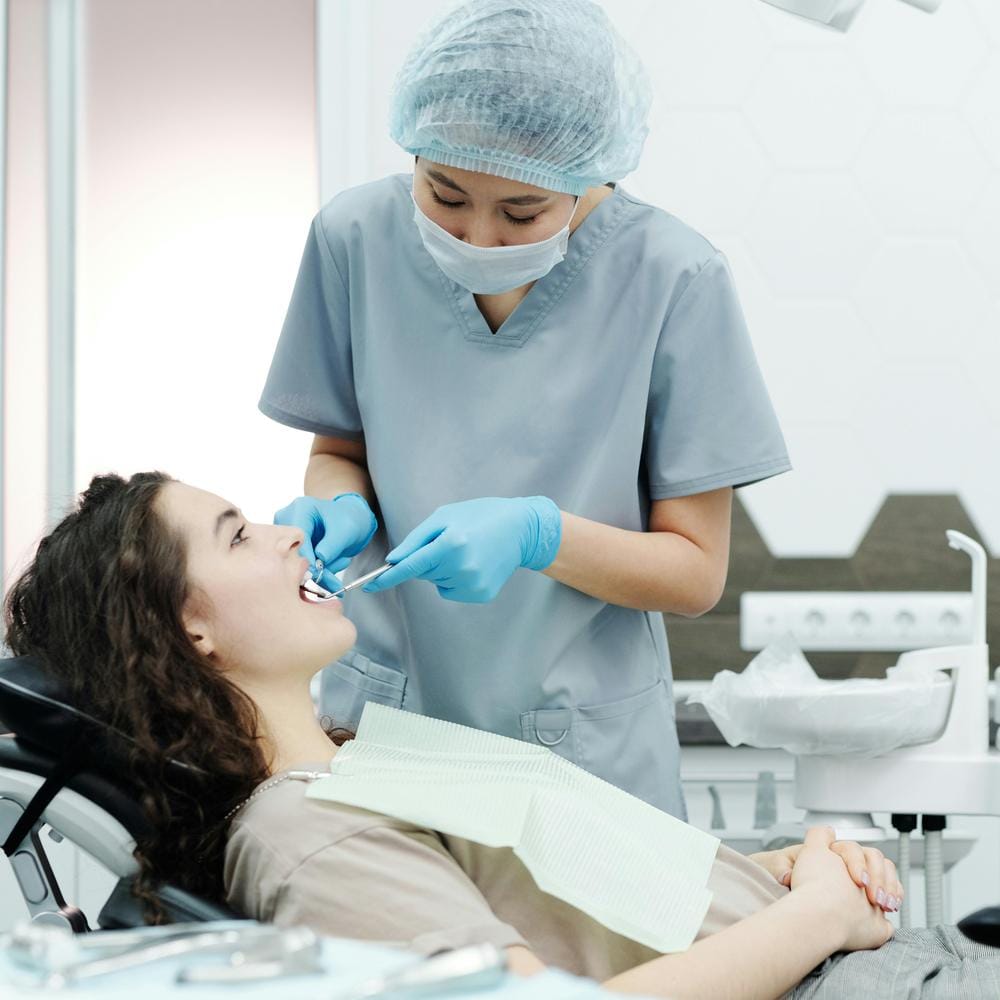
Yellow spots are a common type of tooth discolouration that is typically caused by your diet. However, it’s not just your diet that contributes to these patches – there are actually many different causes. Learn about the origins of yellow spots and the dental treatments available.
What are the yellow dots on my teeth?
As mentioned earlier, yellow dots are a form of discolouration. There are two different types of discolouration to be aware of: extrinsic and intrinsic.
Let’s start with extrinsic. This term refers to the staining of the enamel, the hard outer layer of the tooth. It is caused by something that comes into contact with the tooth, such as food and tobacco.
Intrinsic, on the other hand, is a type of discolouration that starts inside of the tooth. It is usually a result of things like certain health conditions and injury. Intrinsic stains are also trickier to treat in general.
Did you know? Tooth discolouration doesn’t always appear yellow – it can also be white, brown, black, purple or grey.
Intrinsic vs extrinsic tooth stains
Intrinsic stains start inside the tooth. It is usually a result of things such as medication, injury and certain health conditions, and is trickier to treat than extrinsic. Extrinsic, on the other hand, refers to the staining of the enamel, the hard outer layer of the tooth. It is caused by something that comes into contact with the tooth, such as food and tobacco.
If you are unsure about which treatment is the most suitable, consult with your dentist. We have compiled the below to help you make an informed decision.
Causes of yellow spots on teeth
Causes will differ from patient to patient. Here are some of the most significant contributing factors of yellow spots.
Cause | Explanation |
|---|---|
Diet | Tea, coffee and tomato-based sauces are just three examples of teeth staining foods. A sugary, starchy or acidic diet can also lead to yellow discolouration. |
Genetics | The whiteness and transparency of teeth varies from person to person, as well as the thickness of the enamel. |
As we age, the enamel gradually begins to thin, exposing the yellowish layer of dentin beneath. | |
Oral hygiene | Plaque and tartar begin to form on the teeth when you do not brush or floss regularly enough. |
The nicotine and tar found in cigarettes and vapes is known to discolour smiles at a rapid rate. | |
Injury to the tooth may damage its blood vessels and nerves, sometimes causing the tooth to darken or turn yellow. | |
Dental fluorosis is a condition that marks the surface of your teeth with white flecks, spots and lines. These marks range from barely visible to severe. |
Foods and drinks that can cause your teeth to yellow
One of the most significant yellow teeth causes is your diet. If you consume a lot of acidic or sugary foods and drinks, the enamel begins to wear away. This may then result in tooth decay, tooth sensitivity and discolouration. Highly-pigmented foods will also lead to yellow stains. We have compiled a list of the most common foods and drinks that stain and discolour your smile:
- Tea
- Coffee
- Red wine
- Tomato and soy-based sauces
- Curries
- Berries
- Energy drinks
- Fizzy drinks
Did you know? There are certain foods that actually help to clean your teeth while you eat and protect against staining. This includes celery, carrots, apples, strawberries and cheese. We also recommend drinking with a straw when possible, as this will minimise the contact between the staining substance and your teeth.
Yellow patches on teeth – can they be removed?
Yes. With a range of dental procedures, you are able to visibly minimise yellow spots and achieve a bright, gleaming smile. Ask your local Yorkshire Dental Suite dentist which treatment is the most suitable for you.
In-clinic teeth whitening
This data reflects the UK average.
- How does it work: A high-grade bleaching gel is painted onto the teeth. It is then activated with special lights or lasers.
- Treatment duration: 1 - 2 hours (in-clinic appointment), 1 - 2 weeks (whitening trays)
- How long before I see results: Instant
- Cost: £300 - £1,000
- Suitable for: Mild, moderate and severe discolouration
- How long does the treatment last: 1 - 3 years
- Invasive: No
- Available on the NHS: No
Hygienist appointments
This data reflects the UK average.
- How does it work: The answer to this varies from treatment to treatment. Many procedures use specialist tools to remove plaque, tartar and surface stains.
- Treatment duration: 1 appointment (30 - 60 minutes)
- How long before I see results: Instant
- Cost: £27 - £250
- Suitable for: Mild discolouration
- How long does the treatment last: Inconclusive
- Invasive: No
- Available on the NHS: Yes
At-home teeth whitening kit
This data is relevant to Yorkshire Dental Suite.
- How does it work: The patient wears custom-made trays filled with a potent 16% carbamide peroxide gel either overnight or 4 - 6 hours a day.
- Treatment duration: 2 - 4 weeks
- How long before I see results: 3 days
- Cost: £395
- Suitable for: Mild and moderate discolouration
- How long does the treatment last: Up to 1 year
- Invasive: No
- Available on the NHS: No
Nanofill Composite Bonding®
This data is relevant to Yorkshire Dental Suite.
- How does it work: A white, durable resin is painted onto the teeth. It is then cured under a UV light and shaped to the desired finish.
- Treatment duration: 1 appointment (typically 4 hours or less)
- How long before I see results: Instant
- Cost: £395 per tooth
- Suitable for: Mild, moderate and severe discolouration
- How long does the treatment last: 5 - 8 years
- Invasive: No
- Available on the NHS: No
Porcelain veneers
This data is relevant to Yorkshire Dental Suite.
- How does it work: Part of the tooth’s enamel is shaved down and a porcelain veneer is bonded onto the surface of the tooth.
- Treatment duration: 2 appointments (over 4 - 6 weeks)
- How long before I see results: Instant
- Cost: £895 per tooth
- Suitable for: Mild, moderate and severe discolouration
- How long does the treatment last: 15 years or more
- Invasive: Yes
- Available on the NHS: No
What is the best way to get rid of yellow spots on teeth?
As mentioned earlier, there are many ways in which you can get rid (or minimise the appearance) of yellow stains. We have provided the following data to help you compare. For the safety and effectiveness columns, we have provided a rating out of 10, with 10 being the best possible choice. These results vary depending on the ingredients, products and brands used.
Cost | Longevity | Safety | Effectiveness | |
|---|---|---|---|---|
Professional | £300 - £1,000 | 1 - 3 years | 10/10 | 10/10 |
At-home kit | £395 | 12 months* | 7/10 | 5/10* |
Strips and pens | Starts from £7 | Up to 6 months | 5/10 | 4/10 |
Toothpaste | Starts from £1 | 1 - 3 months | 9/10 | 2/10 |
Natural ingredients | Starts from less than £1 | Undetermined | 4/10 | 1/10 |
Nanofill™ | £395 per tooth | 5 - 8 years* | 10/10* | 10/10* |
Porcelain veneers | £895 per tooth | 15+ years* | 10/10* | 10/10* |
Hygienist appointments | £125 - £185 | Two annual appointments recommended | 10/10 | For stain elimination: 4/10 |
Prices are correct at the time of publication and are subject to change without notice - contact us for the latest offers and up to date pricing.
*Specific to Yorkshire Dental Suite
How to prevent yellow marks on teeth
One of the best ways to combat yellowing is by maintaining a great oral health routine. This means brushing your teeth twice a day with a high-quality toothbrush and a fluoride toothpaste. Remember to floss daily too. If you are able, consider limiting your intake of staining food and drinks.
Quit smoking and vaping, while also attending regular hygienist appointments with your local dentist. Try to visit your hygienist twice a year. Sometimes, yellow marks and discolouration is caused by factors out of our control, and therefore cannot be prevented.
FAQs
Got questions about yellow teeth and discolouration? We’re here to answer them. If your query hasn’t been addressed below, do not hesitate to contact us. We will help in every way possible.
Why are my teeth yellow when I brush them every day?
This may be a sign that the staining on your teeth is intrinsic, versus extrinsic. This simply means that the discolouration originates from the inside of the tooth. Recommended treatments include internal tooth bleaching, enamel microabrasion and porcelain veneers.
Do dentists judge you for having yellow teeth?
Not at all. We understand that many patients feel too nervous to go to the dentist in fear of embarrassment, and this really saddens us. Yorkshire Dental Suite are here to help you have confidence in your smile, and would never judge the condition of your teeth.
Are yellow teeth stronger than white teeth?
No! This is a common misconception. Strength is not determined by colour; instead, it is determined by factors such as the tooth’s mineral content. Therefore, white teeth are just as strong as yellow teeth.
Conclusion:
Yellow spots on teeth can cause daily embarrassment. At Yorkshire Dental Suite, we provide a range of treatments that restore uniformity and vibrancy to your smile. Contact us today and book a consultation.