Mouth Ulcers: Causes & Treatments
Treat mouth ulcers with a hygienist appointment - contact us for options, pricing and pay monthly finance.
Mouth ulcers are painful sores usually found on the inner cheeks, lips, gums, tonsils and tongue. While they may cause discomfort, they tend to be harmless and temporary, clearing up on their own within 1 - 2 weeks.
What are mouth ulcers?
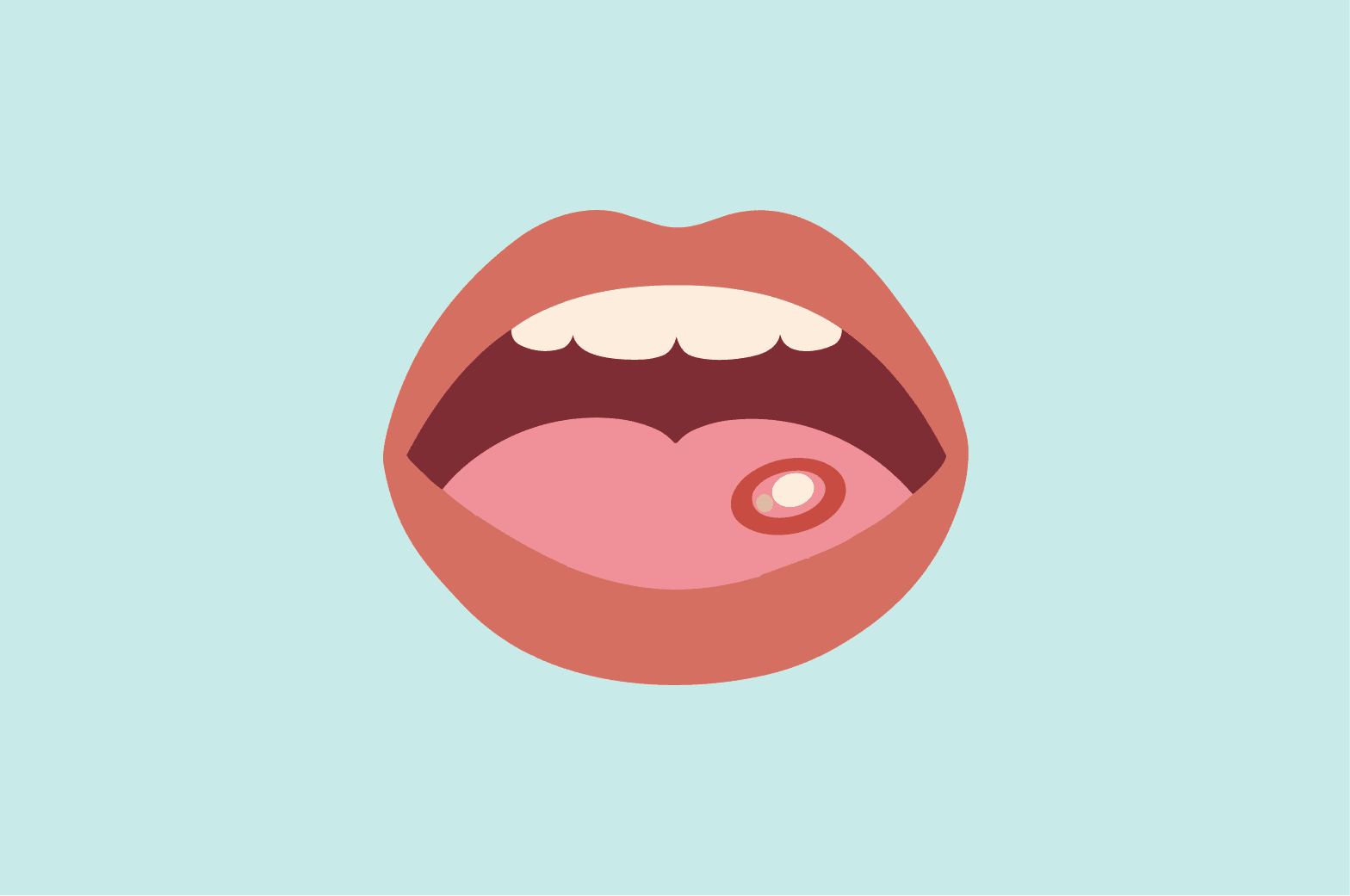
Mouth ulcers are a medical condition that recurrently affects 2 in every 3 people at some point of their lives (1). Typically measuring less than 6mm in size, these sores appear as a circular white bump with a red border. They can also look yellow or grey in colour and come in clusters. If your ulcer does not disappear after three weeks, we recommend consulting your dentist or GP. Why? A long-lasting mouth ulcer that refuses to heal is a common symptom of mouth cancer.
Types of mouth ulcers
There are many different types of mouth ulcers, with the most common being canker sores. Let’s go through the variations and explain how to identify which mouth ulcer you are experiencing.
- Canker sores: Small inflamed spots caused by minor trauma, like biting your inner lip. These ulcers only occur on the inside of the mouth.
- Oral lichen planus: An inflammatory condition that affects the skin as well as the mouth. It can have a white, lace-like appearance or look red and swollen.
- Erythroplakia: Patchy red lesions that bleed easily. Erythroplakia is a more uncommon type of ulcer and, like leukoplakia and lichen planus, may be precancerous.
- Leukoplakia: Thick white patches that cannot be wiped away. These ulcers are responding to the ongoing irritation of the tissues inside the mouth.
- Oral thrush: A non-contagious fungal infection caused by a build-up of candida albicans. It produces creamy white lesions in the mouth.
Common signs of mouth ulcers
If you have a mouth ulcer, you may feel localised burning or tingling, alongside increased soreness when brushing your teeth. Other common symptoms of mouth ulcers include irritation that worsens when eating spicy and acidic foods, swelling and difficulty when chewing.
Mouth ulcers vs cold sores
These two conditions are often confused, but are actually very different. A cold sore is a small cluster of fluid-filled blisters that develops on the lips or around the mouth. It is highly contagious and can be very painful, with patients often experiencing burning and itching sensations. Once you have the virus, it stays in your body for life.
Causes of mouth ulcers
Many contributing factors of a mouth ulcer is completely out of our control. On the other hand, these uncomfortable sores can be caused by simple everyday habits. These are the usual culprits to be aware of:
Cause | Examples |
Minor trauma | Biting the inside of your cheek or tongue |
Badly fitting orthodontic devices | Fixed braces, dentures, fillings |
Everyday habits | Brushing too hard, using an abrasive toothpaste |
Certain health conditions | Autoimmune diseases, vitamin deficiencies, viral infections, Crohn’s disease, celiac disease, lupus, HIV |
Certain medications and treatments | NSAIDs (such as ibuprofen), chemotherapy, radiotherapy, nicorandil, penicillin |
Acidic food and drinks | Pineapples, lemons, limes, apples, grapes |
Overreaction of the immune system | Allergic reaction, food intolerance |
Other causes include genetics, stress and a lack of sleep, as well as hormonal changes. In addition to this, it is quite common for smokers to obtain mouth ulcers once they initially quit the habit.
How do you treat a mouth ulcer
As mentioned earlier, ulcers typically go away by themselves. However, you are able to speed up healing with an antimicrobial mouthwash or corticosteroid lozenges. Antiseptic gels or mouth rinses are more great options. There are many mouth ulcer treatments that can be carried out from the comfort of home. Drink plenty of water (this helps to flush away bacteria) and keep your mouth as clean as possible by maintaining a great oral hygiene routine. You could also try a warm saltwater rinse. To manage pain, our top tips include using a soft toothbrush and resisting the urge to touch the affected area. Furthermore, the experts at Yorkshire Dental Suite recommend drinking very hot or cold drinks with a straw to minimise sensitivity. What is the fastest way to cure a mouth ulcer? The answer to this will differ from patient to patient. Saltwater rinses are a popular home remedy, while certain prescribed oral care products are proven to be effective in the treatment of mouth sores.
How can I prevent mouth ulcers?
To lessen the risk of a mouth ulcer forming, there are many things you may do. Something important to remember is that, for some patients, mouth ulcers cannot be prevented.
- Stay hydrated
- Brush twice a day for two minutes with a soft-bristled toothbrush and fluoride toothpaste
- Floss daily
- Attend regular dental check-ups
- Manage stress as best as possible
- Maintain a nutritious, well-balanced diet
- Make diet modifications if you are aware that certain foods trigger the formation of ulcers
Conclusion: Mouth ulcers are not usually a cause for concern but, if these sores do not disappear after three weeks or are causing you severe discomfort, please contact your dentist or doctor. References: