Does Teeth Whitening Damage Teeth?
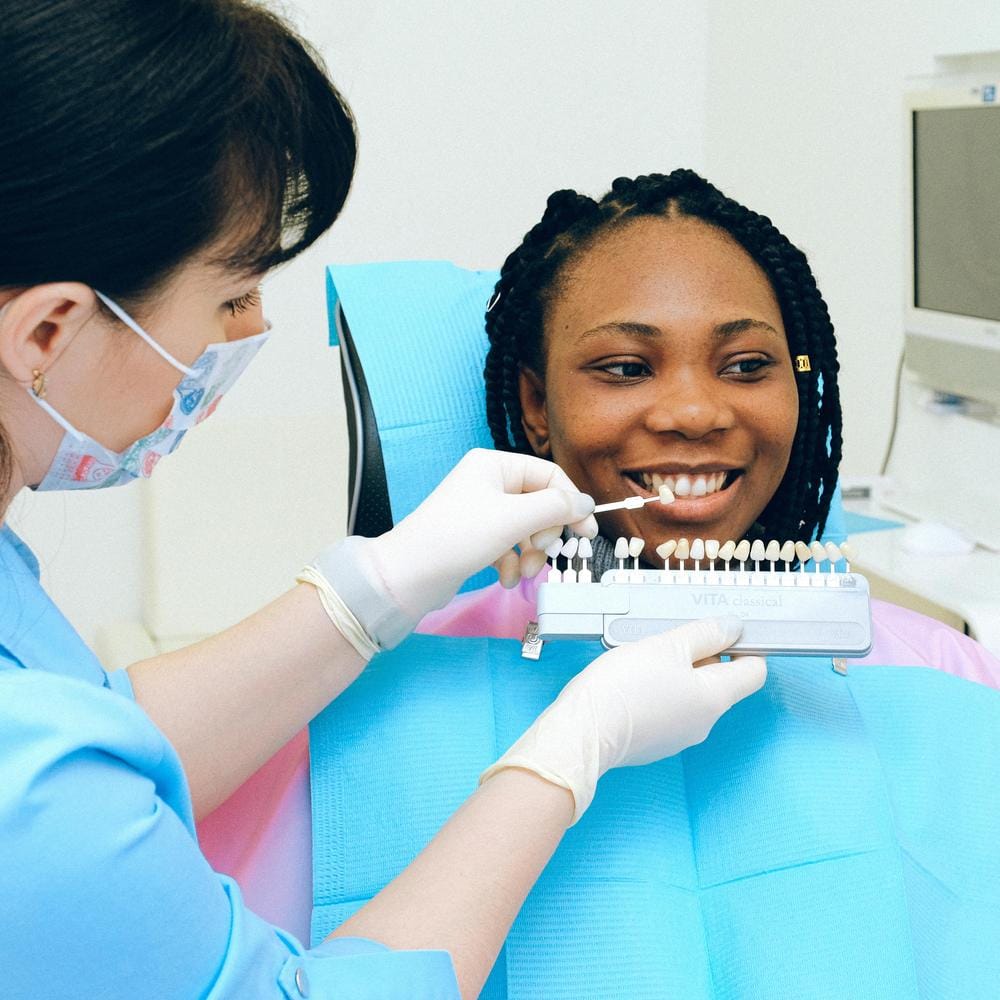
Get safe dental teeth whitening from one of 9 nationwide YDS clinics. Contact us to discuss your options and pay monthly finance today.
Teeth whitening is a cosmetic treatment that minimises the appearance of stains and brightens up your smile in a quick, non-invasive way. Like any dental procedure, it does have risks that patients need to be aware of before booking their treatment.
What are the risks of teeth whitening?
As it is non-invasive, the risks of teeth whitening are much more minimal compared to procedures such as porcelain veneers (a popular option used by many to whiten teeth). Let’s discuss some of these risks in more detail.
Risk | Explanation | How can I prevent? |
|---|---|---|
Tooth sensitivity | This is the most common risk of teeth whitening, and it is very likely that your teeth will feel some discomfort or sensitivity during your treatment period. | Use a toothpaste formulated for sensitive teeth and a soft-bristled brush. Avoid very hot or cold foods and drinks. Only use the treatment for the recommended time. |
Burns to gums | If the whitening gel leaks out of your tray and spills onto your gums, it can lead to irritation, redness and even burns. | Do not overfill your trays. If the gel comes into contact with your gums, wipe with a cotton bud. |
White spots | Some patients report seeing temporary white spots on their teeth after whitening. These spots usually fade once teeth rehydrate. | Remember to drink lots of water. Use a remineralising toothpaste or gel to help restore lost minerals and strengthen the enamel. |
Allergic reaction | The bleaching agents used in whitening gels have the ability to cause an allergic reaction. | Check the ingredients before use. Contact your doctor or dentist immediately if you have an allergic reaction. |
Enamel erosion | This risk is much more likely if you use your whitening product excessively or keep the whitening gels on your teeth for too long. | Do not misuse or overuse your chosen whitening treatment. Look out for abrasive substances in the ingredients list. |
Slow results | If your teeth have severe stains and discolouration, there is a chance that your teeth whitening product may not work as fast as you want. | To get a head start, consult with your dentist about booking a hygienist appointment prior to your treatment. This creates a clean, fresh canvas. |
Teeth whitening ingredients to avoid
Patients considering teeth whitening need to be aware of the ingredients that should be avoided at all costs. Some of the following are found in cheap, online kits, or even in your cupboards at home. If you do wish to try natural teeth whitening, please proceed with caution.
- Chlorine dioxide: Chlorine dioxide is too harsh on the teeth. Commonly used to clean swimming pools, the corrosive substance is recognised to destroy the tooth’s enamel.
- Lemon juice: Patients wanting to make their own DIY concoction should avoid lemon juice at all costs. Even if it is diluted with water, the extremely acidic composition of this ingredient may lead to enamel erosion.
- Apple cider vinegar: Another highly-acidic ingredient, apple cider vinegar can seriously damage the teeth. In some cases, it contributes to yellow tooth discolouration.
- Sodium hexametaphosphate: Research suggests that sodium hexametaphosphate, a substance found in bleach, has the potential to sensitise teeth.
Something else to keep an eye out for is the percentage of hydrogen peroxide used. EU regulations state that teeth whitening kits must contain no more than a 0.1% concentration of this chemical agent. If the percentage is higher, it may indicate that the kit you are using is illegal.
DIY teeth whitening kits
A low cost smile transformation can certainly be alluring. However, DIY whitening kits come with extra risks - this is because they lack proper testing. For example, some sets use overly abrasive pastes and gels in order to provide quick results.
If the kit is not clinically researched or prescribed by dentists, the results are unlikely to be significant and, instead of a white smile, you may experience enamel damage and pain instead. Other kits use generic whitening trays that are easily overfilled, causing the whitening gel to spill onto your gums. In some cases, this contributes to soreness and blistering.
What is the safest method to whiten teeth?
The British Dental Association (BDA) states that teeth whitening carried out by a dentist, or under the prescription of a dentist, is the most safe and effective way to protect your oral health while brightening your smile (1). If you want dazzling results quick, in-clinic whitening procedures are a great option. Make sure it is carried out by a qualified administrator who is legally able to carry out the treatment. This helps to not only ensure your safety, but also maximise your results.
A common question we receive is, does teeth whitening damage enamel? At-home teeth whitening kits, strips and pens pose a higher risk of damage, as many of them lack proper testing or use abrasive ingredients. This is why you should only use dentist-led treatments like Yorkshire Dental Suite’s kit.
Whitening teeth at home with Yorkshire Dental Suite
Our thoroughly tested, dentist-led teeth whitening kit is created with your oral health in mind. The treatment is prescribed by dentists registered with the GDC (General Dental Council), so you can be sure that your enamel won’t suffer while you transform your smile.
How does the set actually work? We use 16% carbamide peroxide, a concentration that is 32 x more potent than non-prescription kits found over-the-counter. When this ingredient comes into contact with the surface of the tooth it releases hydrogen peroxide, lifting stains and whitening the enamel for an ultra-white finish.
This home-use teeth whitening kit is equipped with custom made teeth whitening trays. The trays fit your teeth like a glove to provide 360° whitening that covers the entire surface area of each tooth. Its built-in receptacles offer guidance as to how much gel you should be using – this minimises the risk of the gel leaking onto the gums and causing irritation as you are not overfilling the trays.
Our top tips for safe, effective teeth whitening at home
As mentioned earlier, our whitening kit for teeth is meticulously designed to provide a safe experience. We have provided some extra tips that will help to protect your teeth while you whiten.
- Follow the instructions provided: At-home kits rely on the skill of the patient. Closely follow the guidelines included to diminish the risk of gum irritation, sensitivity and uneven results.
- Do not use too much product: Many people think that using lots of product will get them results faster. However, this is not the case. When you overfill your whitening trays, your gums may experience a burning sensation, and your teeth can feel extremely sensitive.
- Do not wear longer than the recommended time: The prescription whitening agent used in our kit is very powerful. It is vital you do not wear your trays for too long as this leads to pain and damage to your enamel.
- Make sure your teeth and trays are clean: This prevents bacteria being held against the teeth which, in turn, decreases the chance of gum disease and cavities developing. Remember to brush and floss before putting on your trays.
- Store your trays and gels out of sunlight: Sunlight may reduce the effectiveness of your whitening gels and turn your trays yellow. Another tip? When you are brushing your trays, make sure you are using cool water only. Hot water will change its shape and prevent the tray from fitting properly.
Conclusion:
So, does whitening damage teeth? If you choose in-office treatments or a dentist-led whitening kit like the one available at Yorkshire Dental Suite, you are able to safely refresh the colour of your smile without causing any damage. Considering whitening your teeth? Contact us today and book your consultation.
References:
(1): https://www.bda.org/representation/priorities/improving-oral-health/teeth-whitening/