Is Root Canal Painful?
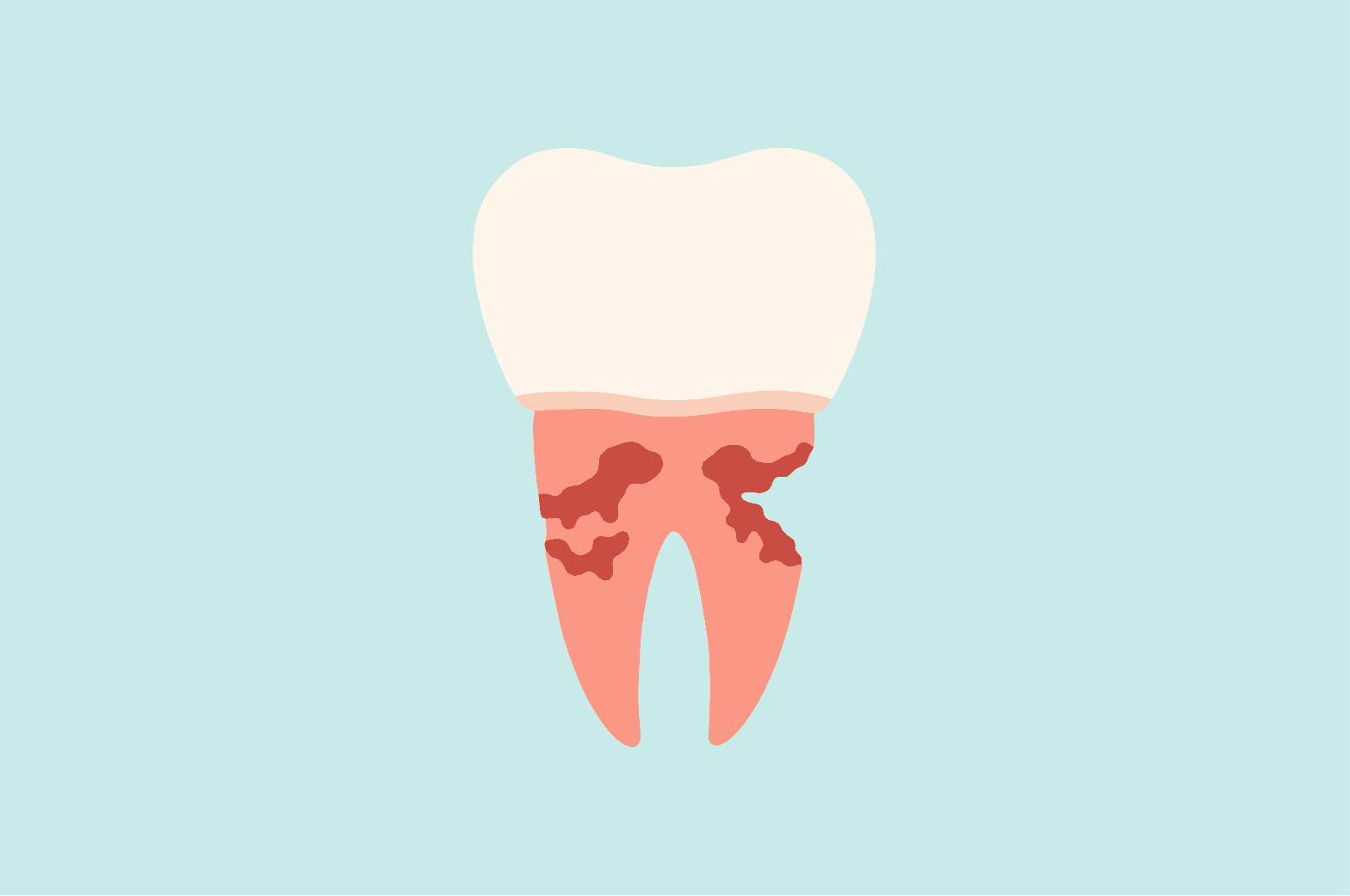
Swollen gums, loose teeth and sensitivity to hot and cold food and drink are signs that you may need a root canal. If you are in pain, Yorkshire Dental Suite offers same day and next day appointments - enquire now.
For many patients, a root canal is an intimidating treatment. Whether it’s the fear of pain, injections or the procedure itself, root canals have an unfair reputation, yet in reality they can save a tooth from extraction.
We’re here to dispel one major myth - that root canals are painful. With your choice of sedation or anaesthesia, the treatment is painless. You may experience some temporary discomfort while recovering but this is completely normal.
Is root canal painful? The procedure
To help ease any nerves you have surrounding the root canal procedure, we have broken down the process step by step. Your dentist will do everything they can to help you feel relaxed and comfortable while in the chair.
- You are given sedation to make the process pain free.
- A piece of thin, flexible rubber is placed inside the mouth, covering everything but the infected tooth. This helps to keep it clean and dry.
- A small hole is made with a drill in the tooth.
- Your dentist cleans everything out of the hole using tiny instruments, including the nerves, blood vessels and tissues.
- The inside of the tooth is disinfected with a liquid.
- The clean tooth is sealed with a temporary filling, signalling the end of the first appointment.
- Your final appointment includes returning to the clinic to have the tooth either permanently filled or topped with a crown.
If you opt for local anaesthesia, you will likely feel a slight pinch as the needle is inserted. Enquire about numbing cream or alternative sedation methods if this is a concern. You may also feel slight pressure during the procedure or hear the dental instruments being used as your dentist gets to work.
Is root canal painful? The recovery
So, if the procedure is painless, what’s the worst part about a root canal? Many of our patients say the healing process. While temporary (with most individuals recovering fully within a few days to a week), slight discomfort is common.
Side effects typically include toothache, sensitivity when biting or chewing, swollen gums and jaw soreness. Manage this with your usual over-the-counter pain medication. For swelling, apply an icepack onto the tender area. Just remember to put something like a towel around the icepack so it isn’t directly contacting the skin.
Aftercare tips
To help minimise any discomfort while your mouth heals, we have put together the following tips. Contact your dentist if you are experiencing pain, swelling or bleeding that does not stop.
- Take your typical over-the-counter pain medication
- For the first few days following your procedure, stick to a soft food diet
- Chew on the untreated side of the mouth
- Avoid smoking and consuming alcohol as it can delay healing
- Follow a great oral hygiene routine, taking special care around the area of the affected tooth
- Avoid exercising for the first 48 hours post-treatment to help prevent swelling
Conclusion:
Root canals are not painful, so do not let this myth deter you from receiving the treatment you need. If you think your tooth is in need of a root canal, book a consultation with Yorkshire Dental Suite, and our team will be on hand to help.