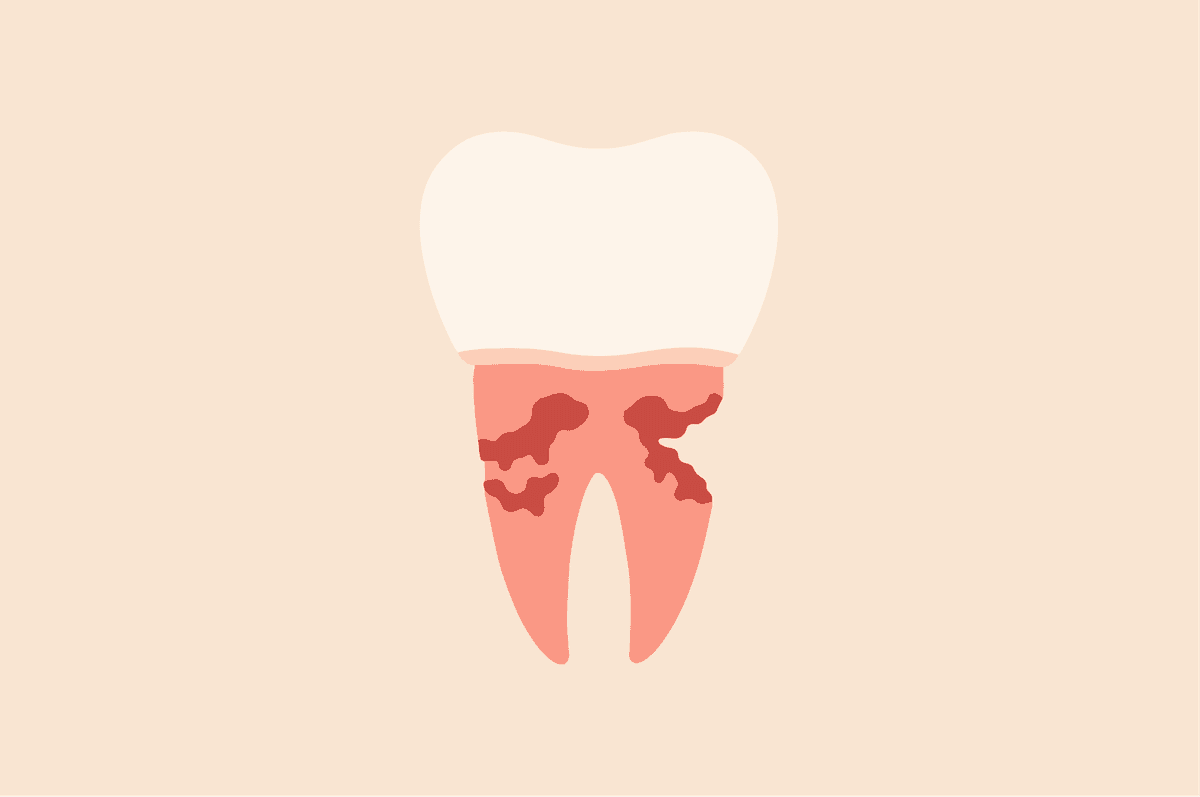
How To Treat A Tooth Cavity
The most suitable treatment for your tooth cavity depends on the severity of the decay, for example, fillings are great for mild to moderate cavities.

In The News
The most suitable treatment for your tooth cavity depends on the severity of the decay, for example, fillings are great for mild to moderate cavities.
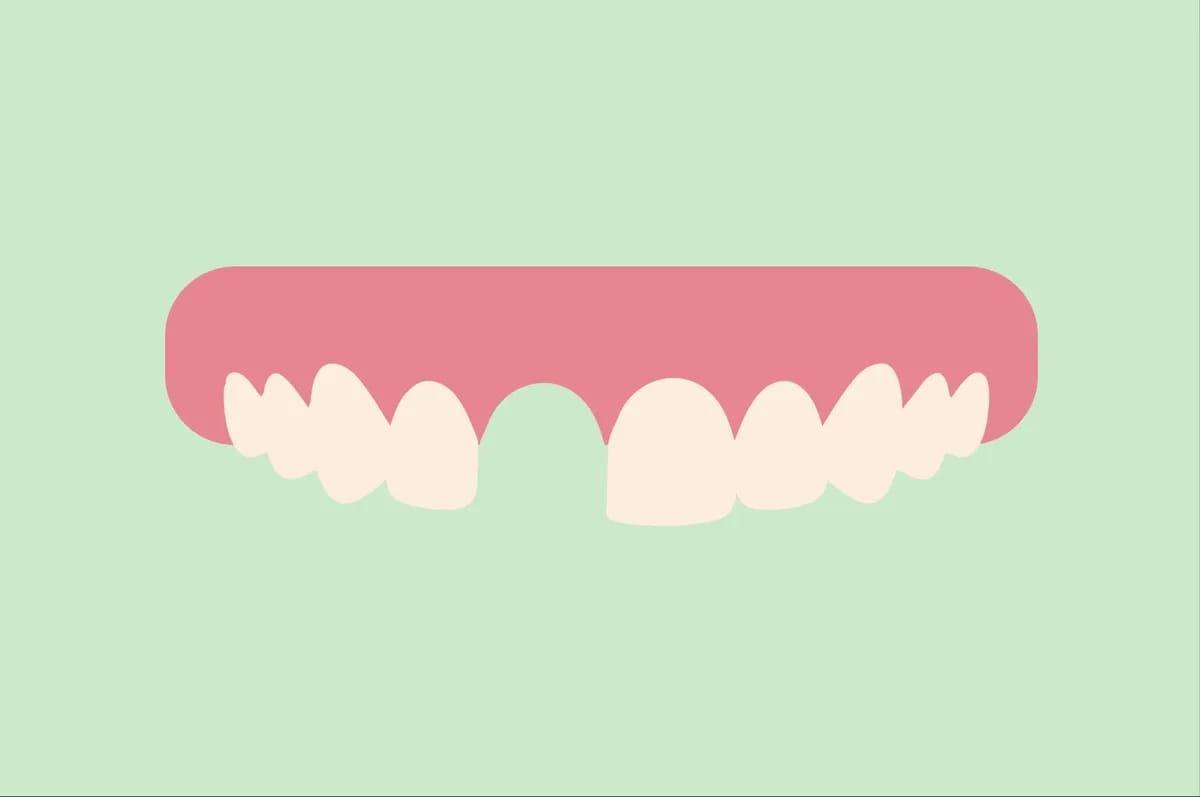
If you have a decayed, infected or damaged tooth, your dentist may suggest root canal or extraction (depending on the condition of the tooth).


It is hard to determine a set rule as to how many times you should visit the dentist per year, due to factors such as age and lifestyle habits.

Soreness following the dental crown procedure is very common. However, persistent or severe pain is not normal, and requires dental assistance.

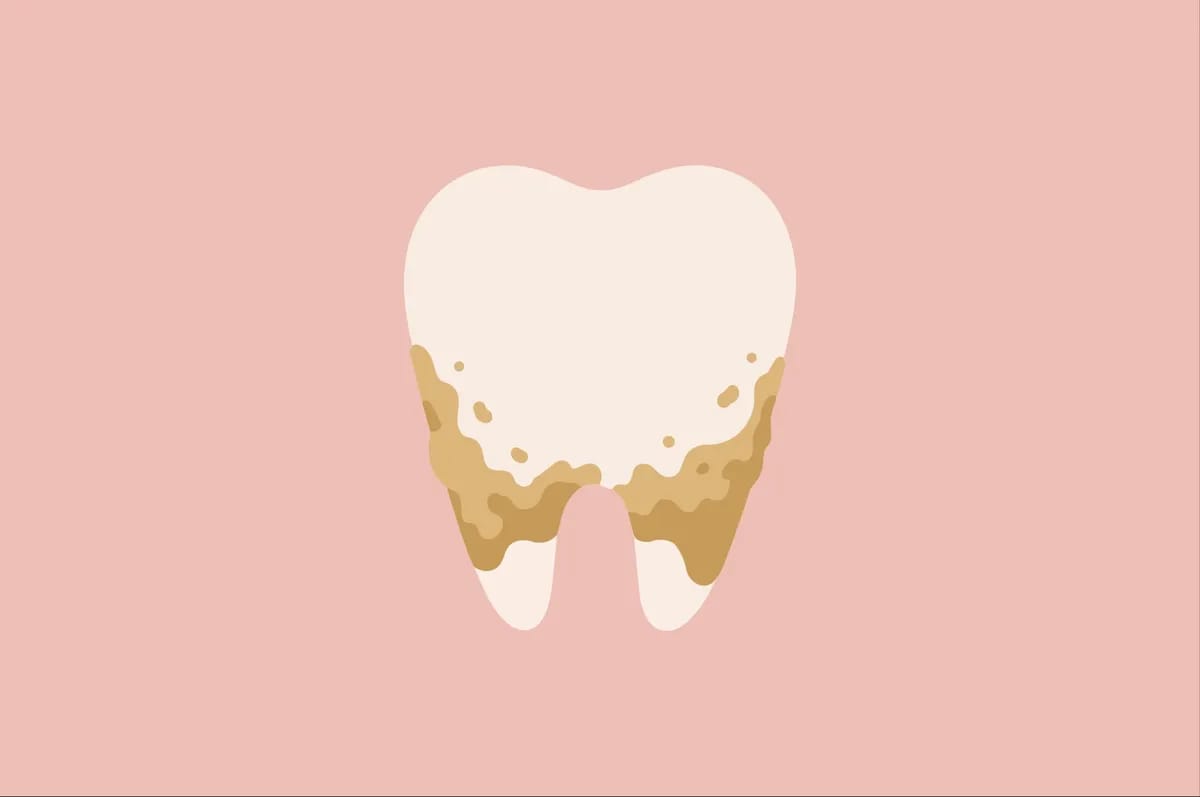
Sensitivity when eating, persistent pain and swollen gums are common symptoms of a failed root canal. Contact Yorkshire Dental Suite for assistance.

Zirconia is renowned for its durability. It looks and performs just like your natural teeth, and can last 15+ years if well cared for by the patient.
Everyone heals at a different rate. However, most root canal patients typically recover within 3 – 7 days, while complex cases can take up to 2+ weeks.

Root canals are used when the pulp of the tooth is inflamed or infected. Signs that indicate you may need treatment include persistent toothache.

The price, longevity and look of your dental crown will change based on whether you choose a private practice or NHS practice for your treatment.
The root canal procedure is carried out across one or multiple appointments. With anaesthetic or sedation, you will not feel pain during the treatment.
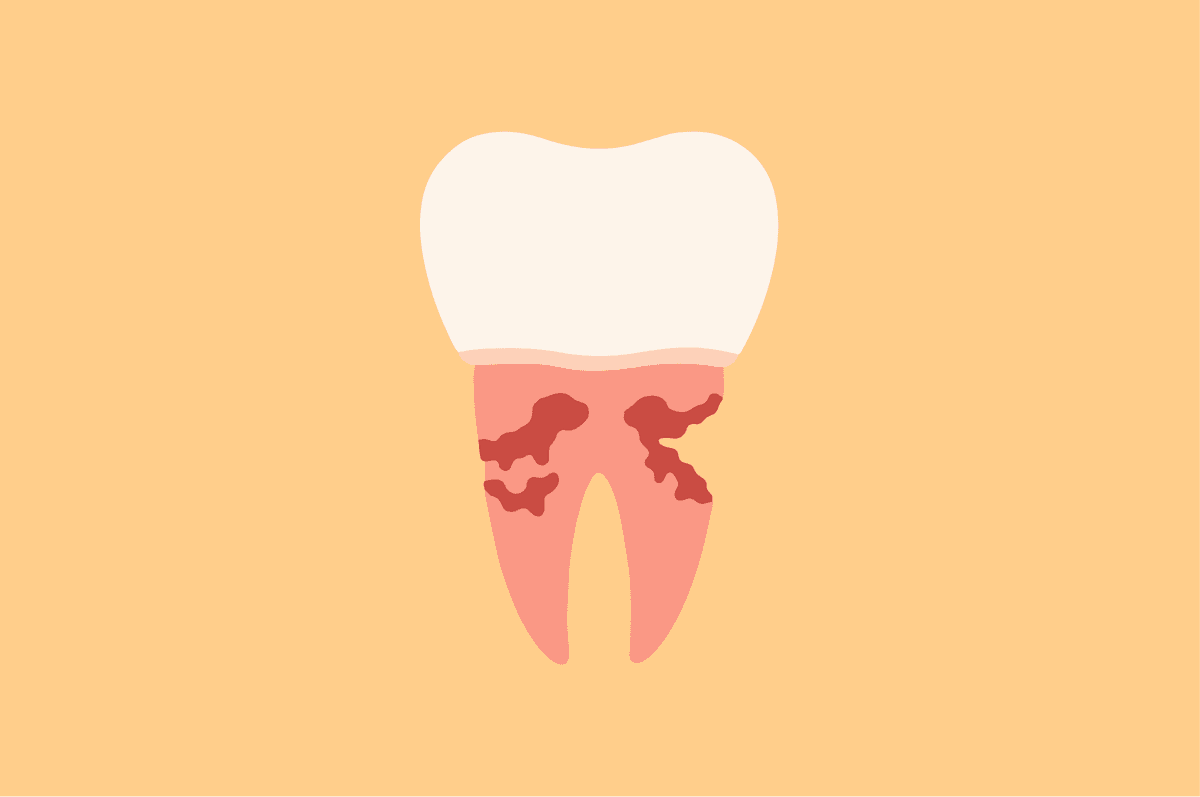
With the right care from both the patient and dentist, a root canal can be avoided. One of the best ways to prevent the treatment is with great oral hygiene.

If you have severe toothache, facial swelling or a fever, you may need an emergency root canal. Both NHS and private clinics can provide urgent dental care.