How To Treat A Tooth Cavity
Don’t let your tooth decay get any worse and book a consultation with Yorkshire Dental Suite. With our wide range of treatments and expert dentists, we will restore your once healthy, confident smile.
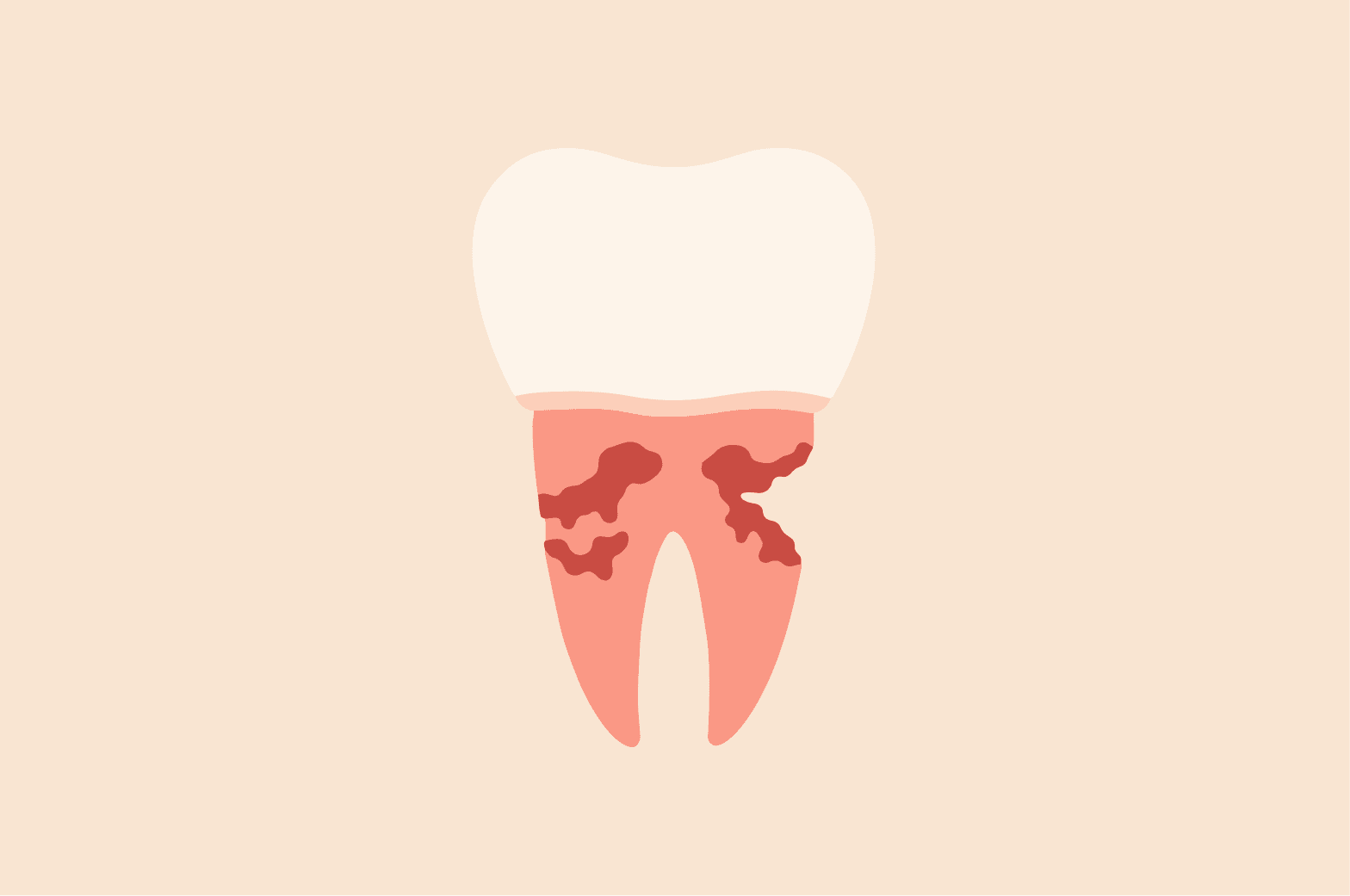
Also known as dental caries, tooth cavities are permanent holes or areas of damage caused by decay. Fully developed cavities require the assistance of a dentist to prevent further damage to the tooth.
How dentists diagnose cavities
Your dentist will first start with a visual inspection. Using a small mirror and light, they will assess the teeth for any noticeable signs of decay, such as white, chalky spots or discolouration, before carefully feeling the tooth for soft spots and holes.
There are many other types of equipment your dentist may use to check for decay in the harder to notice spots. These include X-rays, intraoral cameras, special dyes and even laser instruments. With this information, your dentist will then have a clearer idea as to what (and where) the problem is.
What causes cavities?
Cavities are typically caused by a build-up of dental plaque. Plaque contains bacteria that feed on sugars and carbohydrates from the food and drinks you have. This then wears away the enamel and creates small holes.
You may find yourself at an increased risk of developing a cavity if you have a high sugar intake, do not brush your teeth properly, avoid the dentist or have certain medical conditions like dry mouth.
Tooth cavities: Symptoms
There are many symptoms that indicate a tooth cavity is present. If you experience any of the following, please contact your dentist. The earlier decay is identified, the higher the chance that the tooth can be saved.
- Sensitivity when eating and drinking
- Toothache
- Visible discolouration
- Bad breath
- Unpleasant taste
- Dental abscess (severe)
- Swelling and gum inflammation
Did you know? Tooth cavities can also be painless. That’s why routine check-ups with your dentist are so important, as they are able to check for problems such as decay before they develop into something more serious.
How to treat a tooth cavity
From early signs of tooth decay to severe cavities, there are many treatments available to help restore your healthy smile. Your dentist will talk you through all of the most suitable options in your consultation.
Can you treat a tooth cavity at home? Absolutely not. Once a cavity has formed, you need to seek the assistance of a dental professional. Attempting to fix your tooth at home is dangerous, and should be avoided at all costs.
Treatment | Ideal for | How does it work? |
Mild – moderate decay | The decayed area is gently removed, before a composite resin is applied on top. This is then cured and shaped. | |
Dental crowns | Severe decay | Part of the enamel is filed down, creating enough space for the crown to fit. It is then permanently bonded to the tooth. |
Moderate – severe decay | All decayed material is removed from the inside of the tooth. Then, the tooth is disinfected and sealed with a filling or crown. | |
Fluoride treatments | Early decay | These effective treatments help to not only strengthen the enamel, but also protect against future acid erosion. |
Tooth extraction | Severe decay | Only used if no other procedure will work. First, the socket is widened, before the tooth is loosened and pulled out. |
Can I leave a cavity untreated?
If you think you have a cavity, do not ignore it. Tooth decay does not go away on its own, and will continue to worsen over time. In fact, a cavity is able to reach the pulp (centre) of the tooth in a matter of months, which can lead to infection, abscesses and death of the tooth altogether.
Contact your dentist as soon as you experience any tooth decay symptoms. In the meantime, you are able to manage any discomfort by taking your usual over-the-counter pain medication, soothing tender gums with a warm saltwater rinse or applying ice-packs to swollen areas.
Preventing tooth decay
Cavities on teeth may be prevented if you keep the following in mind. Something to note however is that sometimes decay can be influenced by factors completely out of our control, such as genetics.
- Maintain great oral hygiene: Brushing twice a day for two minutes, alongside regular flossing, is an effective way to prevent plaque build-up.
- Be considerate of your diet: Starchy, sugary foods weaken the enamel over the time, leading to cavities and damage.
- Do not avoid the dentist: While intimidating to many, your dentist will be able to check that your oral health is in good condition.
- Avoid smoking: The substances found in vapes and cigarettes are recognised to increase the risk of tooth decay, alongside other serious health issues.
- Stay hydrated: Drinking plenty of water helps to protect against dry mouth, a significant contributing factor of decay.
Conclusion:
Think you have a cavity? Tooth decay treatments are available at Yorkshire Dental Suite – book your consultation today. Our team of GDC-registered experts can repair damaged and decaying tooth for a restored quality of life.