Reasons Behind A Failed Root Canal
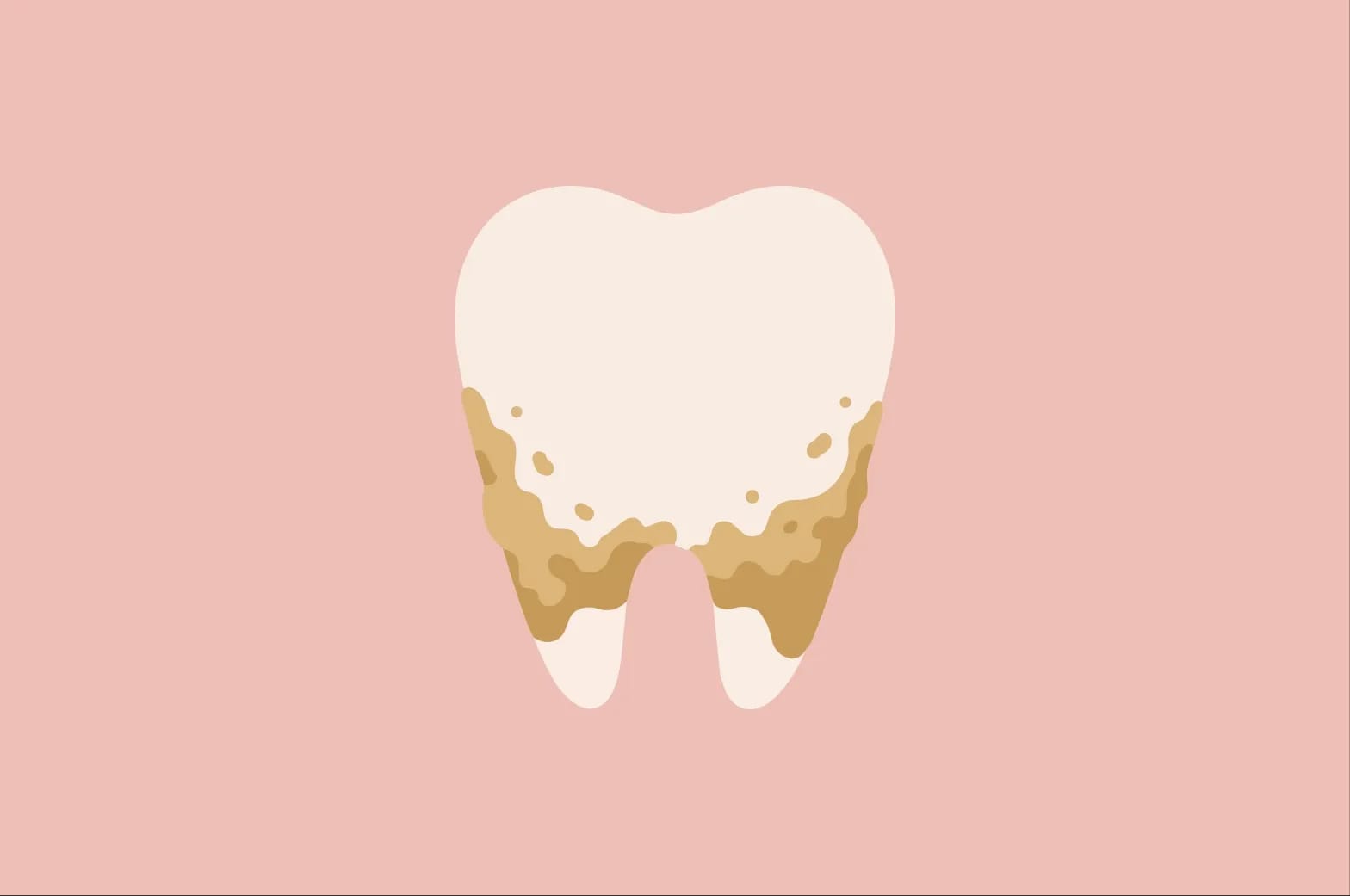
Tooth infections are often painful, and even have the ability to impact your quality of life. Book a consultation with Yorkshire Dental Suite today – our friendly and experienced team will restore your once healthy smile.
The risk of root canal failure is low, with an estimated success rate of 86 – 98% (1). However, there is still a chance that your treatment will not work. In this blog we’ll discuss why a root canal fails and how to minimise this risk.
Common signs your root canal is failing
There are many symptoms that indicate treatment failure. We have listed the most common below. If you are experiencing any of the below for a continuous period of time, please contact your dentist. Immediate assistance from a dental professional may increase your chance of saving the tooth.
- Sensitivity to hot or cold food and drink
- Persistent pain and aching
- Swollen, tender gums
- Tooth discolouration
- Development of an abscess
- Swelling around the face and neck
- Loose-feeling tooth
- A lingering bad taste in the mouth
Is root canal failure immediate?
Many individuals assume that, if a root canal fails, it happens immediately after the procedure. While this is correct for certain patients, failure can happen at any time; in fact, a tooth that has felt ‘fine’ for many years may suddenly become infected months or years down the line.
What are the reasons behind a failed root canal?
In some cases, the reason for root canal failure is completely out of the patient’s control, while other instances can be directly attributed to their actions. Knowing the culprits of a failed root canal may help to prevent it from happening.
New tooth decay
If new decay forms around the tooth, bacteria can once again travel to the roots and lead to re-infection. This is typically the result of poor oral hygiene and consuming lots of sugary food and drinks.
Tooth cracks
Whether it’s due to an accident or teeth grinding, a crack in the tooth creates an easy gateway for bacteria. Something to note is that, if the crack is severe, then root canal re-treatment may not be possible.
Difficulties during treatment
Root canals are quite complex. They become even more complex when a patient has thin or curved tooth canals, as this makes the removal of the infection very tricky. There is a chance that a dentist misses a canal or fails to remove all of the infection.
Delayed crown placement
A tooth that has had root canal cannot be left uncovered. Your dentist will usually protect the tooth with a permanent crown or filling. However, a delayed fitting often leads to issues such as re-infection.
The sealant failed
Once your dentist removes the infected material from the tooth, it is cleaned and sealed. If your crown or filling is poorly fitted, it can create a ‘coronal leak’, which allows bacteria to enter the tooth. These type of restorations also degrade naturally over time.
Can a failed root canal be repaired?
The answer to this question changes based on the patient. While a failed root canal is often able to be repaired, this isn’t the case for everyone, and extraction may be the only solution. Removal is the last resort however, and your dentist will do everything they can to save the tooth.
- Re-treatment: A process that is very similar to your initial treatment, your dentist first removes the infected material from the tooth, before sealing it once more.
- Apicectomy: An alternative to root canal, apicectomy removes inflamed gum tissue at the tip of the tooth’s root.
- Extraction: Only carried out if the tooth cannot be saved. After receiving local anaesthetic, the tooth is removed from its socket.
How to minimise the risk of root canal failure
How the patient cares for the tooth post-treatment can increase or decrease the risk of failure. To hep keep your tooth healthy free from infection, try to incorporate the following steps into your everyday routine.
Action | Explanation |
Maintain a great oral hygiene routine | Prevents tooth decay and re-infection. Remember to brush twice a day for two minutes at a time and floss regularly. |
Be considerate of your diet | Avoiding sugary and acidic foods helps to prevent tooth decay and re-infection. Hard, crunchy foods may lead to chips. |
Do not ignore pain | Quickly identifying failure increases the chance of successful re-treatment and can ease your discomfort. |
Wear a mouthguard | Do you grind your teeth? Or play contact sports? A mouthguard helps to prevent accidental chips. |
How serious is a failed root canal?
If left untreated, an infected tooth can pose a serious risk to your health, and even become life threatening if the infection begins to spread. Delayed assistance also means that you continue to experience discomfort. That’s why we recommend contacting your dentist as soon as you experience symptoms of a failed root canal.
Conclusion:
Yorkshire Dental Suite has a talented team of dentists, oral surgeons and endodontists that are ready to restore your once healthy smile. Enquire now if you have are having issues with your root canal or think you are in need of treatment.
References: