Is Dental Crown Soreness Normal?
Whether you need to replace a large filling, fix a broken tooth or treat decay, a crown could be the perfect solution. Book a consultation with Yorkshire Dental Suite today.
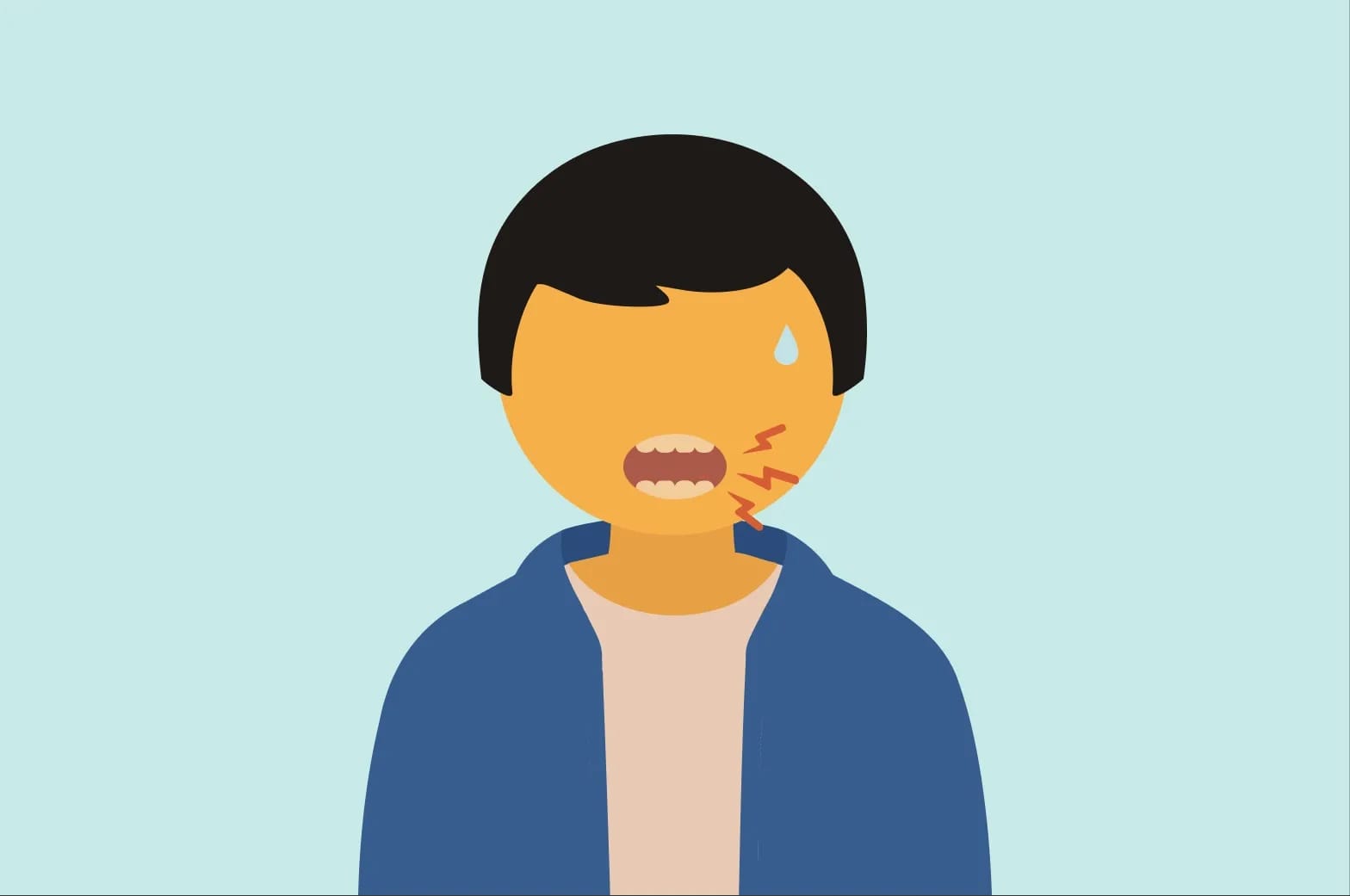
Dental crowns are a type of restoration that replace damage on the visible portion on the tooth. After the initial procedure, short-term dental crown soreness is normal, but severe or lasting pain is not.
Are dental crowns painful?
The treatment itself is not painful, as you are given sedation or local anaesthetic. However, once the numbing has worn off and your mouth adjusts to the crown, you may experience some sensitivity. A typical side effect following the procedure is pain when consuming hot or cold food and drinks.
So how long does it take for a dental crown to settle? Any discomfort should subside within 2 weeks. If it continues, we recommend seeking the advice of a dental professional – this may indicate that an issue is present.
What causes tooth crown soreness?
If you’re wondering why your tooth hurts after a crown, allow us to explain. Alongside the process itself, which includes a minimal amount of enamel being removed, there are multiple causes of dental crown soreness.
- Infection: Triggers pressure, pain and inflammation.
- Improper crown placement: Clashes with other teeth.
- Teeth grinding (bruxism): Pressure and stress weakens the crown.
- Tooth decay: Bacteria enters the tooth, leading to painful infection.
- Traumatised nerve: The crown places pressure on the nerve.
- Dental trauma: Damages and weakens the structure of the crown.
How to tell if something is wrong with your crown
It can be hard to know which types of dental crown soreness are normal, and which are not. We have highlighted the common symptoms below and which category they fall into. Remember – if you are concerned, do not hesitate to contact us. We are always on hand to help, even if it’s just to reassure you.
Symptom | Is it normal? | Next steps |
Pain when consuming hot or cold food and drinks | Yes, in the first two weeks post-procedure | Monitor temperatures and make temporary diet modifications (if medically able) |
Tender gums | Yes, in the first two weeks post-procedure | Saltwater rinses, ice packs, over-the-counter pain medication, chew on the other side of the mouth |
Severe, constant throbbing | No | Contact your dentist as soon as possible. Alternatively, call 111 for immediate assistance |
Pus | No | Contact your dentist as soon as possible. Alternatively, call 111 for immediate assistance |
Sensitivity that continues to get worse | No | Contact your dentist as soon as possible. Alternatively, call 111 for immediate assistance |
Swelling around the face, jaw and throat | No | Contact your dentist or 111. In an emergency call 999 if you are having difficulties breathing |
Pain when biting | No | Contact your dentist as soon as possible. Alternatively, call 111 for immediate assistance |
Crown feels loose | No | Contact your dentist as soon as possible. Alternatively, call 111 for immediate assistance |
What to do if you have tooth crown pain
As mentioned earlier, some slight pain is typical following your procedure. On the other hand, if this discomfort persists or worsens, it is time to contact your dentist. Advice is also available by calling 111.
When is dental crown pain an emergency? If you have severe, throbbing pain that disrupts your day to day life, this is a cause for concern. Reach out to your dentist immediately. Always call 999 if you are having difficulties breathing or experiencing intense swelling and bleeding.
How do I stop my crown from hurting?
There are ways you can manage your symptoms while waiting for your dental appointment, some of which we have listed below. Try some of the following for tooth crown pain relief at home.
- Take your typical over-the-counter pain medication
- Apply an ice-pack (wrapped in a cloth) to swollen areas
- Stick to a soft food diet to minimise pressure called by chewing
- Rinse your mouth with lukewarm saltwater if your gums are swollen
- Gently brush teeth with a sensitive toothpaste
- Try natural remedies for toothache, such as clove oil (do your research and proceed with caution)
Conclusion:
If you have any concerns about your dental crown, big or small, do not hesitate to contact us. We will answer any questions you have and recommend next steps, for example, an oral health assessment.
Alternatively, if you want a dental crown and don’t know where to start, book a consultation today. Our GDC-registered dentists can take your smile from damaged and decayed to healthy and confident.