5 Tips On How To Avoid Root Canal Treatment
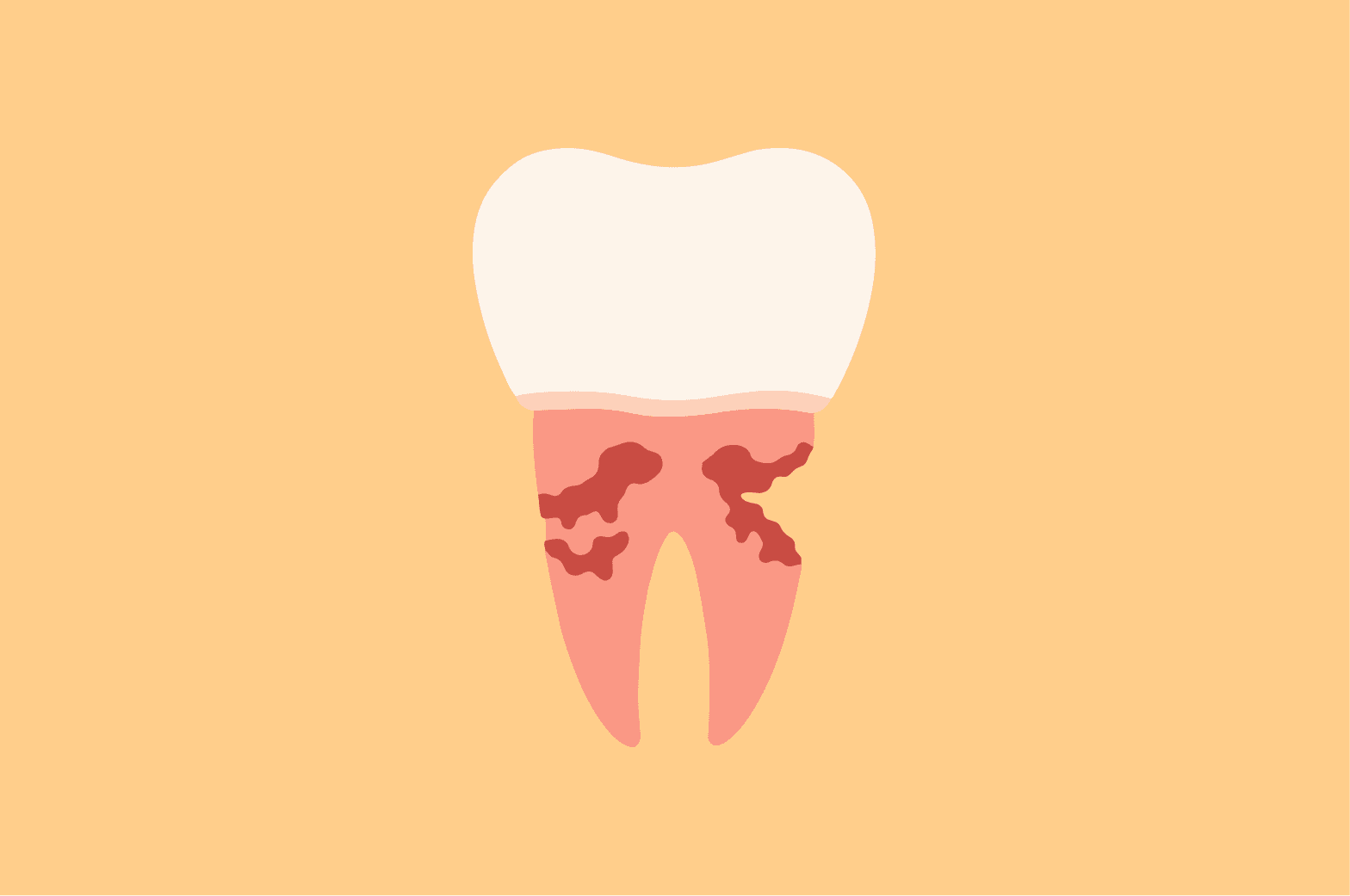
If you have swollen gums, a loose tooth or sensitivity when eating, you could be in need of a root canal. Book a consultation with our friendly specialists today.
A root canal can be an excellent way to save a severely damaged or infected tooth. However, with the right care from both the patient and dentist, it may be possible to avoid ever needing one in the first place. These are our top five tips on keeping your teeth strong and healthy in the long term.
Tip 1: Maintain a great oral hygiene routine
So, how do you avoid root canal treatment? One of the best ways to do this is with great oral hygiene. Consistent brushing and flossing helps to remove the plaque and bacteria that contributes to tooth decay.
Brush twice a day (for two minutes at a time) using fluoride toothpaste and a high-quality toothbrush. Remember to floss daily to dislodge any bacteria and food particles stuck between the teeth. If you wish, you can also add a mouthwash to your routine.
Tip 2: Do not avoid the dentist
We understand that, for many, visiting the dentist is an intimidating experience. However, dentists are specially trained to spot ongoing issues with your oral health that we cannot see, and even identify potential future problems.
Try attending two routine check-ups per year. Two annual hygiene appointments can also be extremely beneficial in the prevention of a root canal as it delivers a deep clean, an action which removes plaque, tartar and bacteria.
Tip 3: Be considerate of your diet
Sugary and acidic foods and drinks both contribute to tooth decay. Sugar feeds bacteria, which produce acids that attack the enamel and cause mineral loss. Acidic foods and drinks can also directly weaken and erode enamel.
Over time, repeated acid attacks damage the tooth and increase the risk of cavities. Carbohydrates are another food group that has the ability to cause decay. So, if you are medically able, be mindful of what you are eating.
Tip 4: Protect your teeth with a mouthguard
A highly recommended step for patients who grind their teeth. This habit wears down the enamel, exposing the layer of dentin beneath. If bacteria then enters the tooth, you are at risk of decay and root canal infections.
It is also essential if you play sports. Dental trauma may cause the tooth’s pulp to become inflamed, or even kill it altogether (pulp necrosis). Injuries can also lead to the tooth being pushed back into its socket and needing a root canal.
Tip 5: Do not ignore pain
Pain usually suggests that an issue is present. If you choose to ignore this discomfort and avoid the dentist out of fear of needing a root canal, you could end up needing a more intrusive treatment further down the line (like extraction).
These are the common symptoms that indicate the need for a root canal: pain when consuming something hot or cold, sensitivity when chewing and biting, swollen gums and a loose tooth. Contact your dentist if you are experiencing any of the above.
What can be done instead of a root canal?
My tooth is severely damaged and decayed – can a root canal be avoided? This is a question we often receive at Yorkshire Dental Suite. In some cases, a dentist may recommend an alternative treatment. In others, a root canal is unavoidable, unless you choose to just extract the tooth altogether.
Treatment | How does it work? | When is it recommended as an alternative? |
Tooth extraction | The socket is widened (where the roots of your teeth sit) and the tooth is loosened, before your dentist pulls it out in one or multiple pieces. | A last resort - the tooth cannot be saved. |
Pulpotomy | The pulp in the crown of the tooth is removed, helping to prevent decay and/or infection. This treatment is usually performed on baby teeth. | The tooth is alive and extraction is preventable. |
Direct pulp capping | The decay is removed from the tooth. Then, a medicated material is applied to protect it from bacteria until the dentin repairs itself. | The decay has not yet reached the tooth’s pulp. |
Your dentist removes the decay from the tooth. The hole is then sealed with your chosen filling material (such as composite resin or silver amalgam). | The decay is not severe enough for a root canal. |
Why you shouldn't put off root canal treatment
If you need a root canal, it is important that you get the treatment done. Leaving your tooth alone often leads to you needing more invasive (not to mention expensive) dental procedures in the future. Your pain could worsen and, if you have an infection, this might even begin to spread.
So, whilst no one particularly wants a root canal, sometimes it is the best choice for your smile and health. The experts at Yorkshire Dental Suite will make sure you feel comfortable, relaxed and supported throughout the whole treatment.
Conclusion:
These tips will help you to not only avoid a root canal procedure, but also other oral health issues such as gum disease and tooth loss. If you think you are in need of a root canal however, then please contact Yorkshire Dental Suite for an assessment. Our friendly and experienced team specialise in quick, painless root canals.