Extract Tooth VS Root Canal
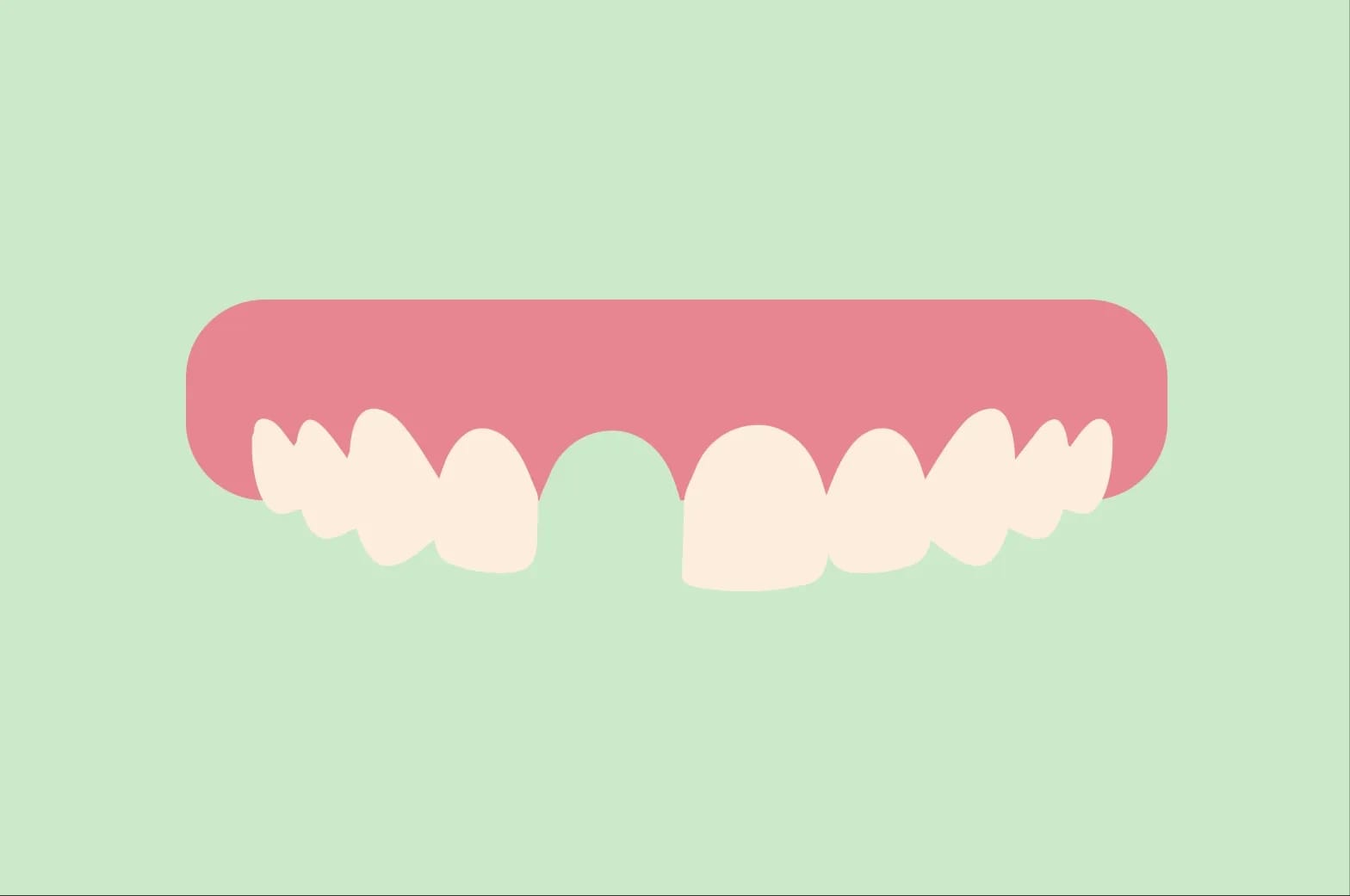
If a tooth is causing you pain, this could be a sign of an underlying dental problem such as infection. Contact Yorkshire Dental Suite for an assessment of your oral health as early as the next day.
Root canals and tooth extractions are effective in the treatment of decayed, infected and damaged teeth, but there are key differences between the procedures. Debating which is the right choice for your smile? In this blog, we’ll talk you through everything you need to know about these treatments so you can make an informed decision.
Extract tooth vs root canal: Purpose
A tooth extraction is the last resort for dentists. If you have severe damage and decay that cannot be fixed with alternative treatments, such as a root canal, your dentist may recommend removing it altogether.
On the other hand, an extraction is also recommended for other reasons. Many orthodontic patients with severe crowding require one or multiple teeth to be removed in order to allow movement.
Let’s move onto root canals. This procedure is suggested when the pulp (the centre of the tooth) is inflamed or infected. Both treatments ultimately have the same purpose – to stop pain and prevent more serious dental problems from developing.
Extract tooth vs root canal: Procedure
The appointment for a tooth removal is very different to one of a root canal. Here is a step-by-step breakdown of each process so you can get an idea as to what the day of your treatment will look like, starting with extraction.
- The mouth is numbed.
- The socket (where the roots of your teeth sit) is widened.
- The tooth is loosened and pulled out.
- You will be instructed to bite down on a gauze to help stop bleeding.
What about the root canal process?
- The mouth is numbed.
- A piece of thin, flexible rubber is placed inside the mouth, covering everything but the tooth.
- A small hole is made into the tooth with a drill.
- Using tiny instruments, everything is cleaned out of the hole. This includes the nerves, blood vessels and tissues.
- The inside of the tooth is disinfected with a liquid.
- The clean tooth is sealed with a temporary filling, signalling the end of the first appointment.
- Your final appointment includes returning to the clinic to have the tooth either permanently filled or topped with a crown.
What hurts worse – a tooth pulled or a root canal? It’s hard to give a definitive answer as everyone’s pain tolerance differs. Neither treatment should hurt, thanks to local anaesthetic, but both have a recovery period with often uncomfortable side effects.
Extract tooth vs root canal: Cost
The price will vary depending on the clinic you choose. At Yorkshire Dental Suite, the cost of an extraction starts from £350, whereas a root canal is £895 per tooth. The latter is a much more complex procedure and requires special tools, which is why there is a significant price difference.
Both are available on the NHS. Falling under the Band 2 category, you can expect to pay £76.60. You will however face longer waiting times and limited appointment availability. Additionally, due to its complexity, many NHS dentists are unable to carry out root canal surgery, and will refer you to a private dentist instead.
Extract tooth vs root canal: Recovery
No matter which treatment you choose, there is a recovery period that follows where you should try and take it easy. Do not hesitate to contact your dentist if you have any questions about how your mouth is healing.
Firstly, what can you expect when recovering from tooth extraction?
- Recovery time: 3 – 7 days usually, up to 2 weeks for some
- Peak of discomfort: Days 1 – 3
- Diet: Stick to soft foods for 48 hours post-procedure
- When to contact your dentist: If pain is severe or continues beyond 2 weeks, or you have continuous swelling and bleeding
- Common symptoms: Soreness around the tooth, minor bleeding or swelling, jaw stiffness, light bruising
The root canal recovery is slightly different in comparison.
- Recovery time: 1 – 2 weeks
- Peak of discomfort: Days 1 – 3
- Diet: Stick to soft foods for 48 hours post-procedure
- When to contact your dentist: If pain is severe or continues beyond 2 weeks, or you have continuous swelling and bleeding
- Common symptoms: Soreness around the tooth, swollen gums, sensitivity when eating, toothache
Extract tooth vs root canal: Pros and cons
Like any dental treatment, there are advantages and disadvantages to take into consideration prior to booking your appointment. In honour of full transparency, we have listed them below.
Tooth extraction pros | Tooth extraction cons | Root canal pros | Root canal cons |
Completed in just one, quick appointment | Permanent – once the tooth is gone, it’s gone | There is a chance that the tooth can be saved | It may not work and cause the tooth to weaken even more |
It stops infection from spreading across the body | Potential loss of confidence from the visible gap* | Your once strong, confident bite is restored | Complex cases require multiple appointments |
Helps to prevent issues such as teeth misalignment | Risk of bone loss and jawbone deterioration* | It stops infection from spreading across the body | Risk of the tooth becoming more brittle and cracking |
Stops the ongoing pain you have been experiencing | Risk of dry socket while recovering, a painful condition | Stops the ongoing pain you have been experiencing | Risk of sinus inflammation due to close proximity |
Low cost (compared to a root canal procedure) | Expensive if you decide to replace the tooth | With care, a root canal can last 10 – 20 years | Susceptible to re-infection, e.g., if the seal fails |
*If the space is left without being filled by a fixture such as an implant or bridge.
Is it better to have a root canal or a tooth extracted?
Deciding between a root canal and an extraction may seem difficult, but the choice is ultimately based on just one factor – whether or not the tooth can be saved. Your dentist will always explore as many treatment options as possible before taking the tooth out.
Think of it this way – a root canal treats the problem, while extraction removes it altogether. During your initial consultation, your dentist will conduct a thorough oral health examination to determine which is the most suitable procedure.
Conclusion:
No one deserves to be living in pain. If your tooth is causing continuous discomfort, contact Yorkshire Dental Suite. With same and next-day appointments available, you can receive the help you need almost immediately.