Zirconia Crown: Cost, Longevity & Procedure
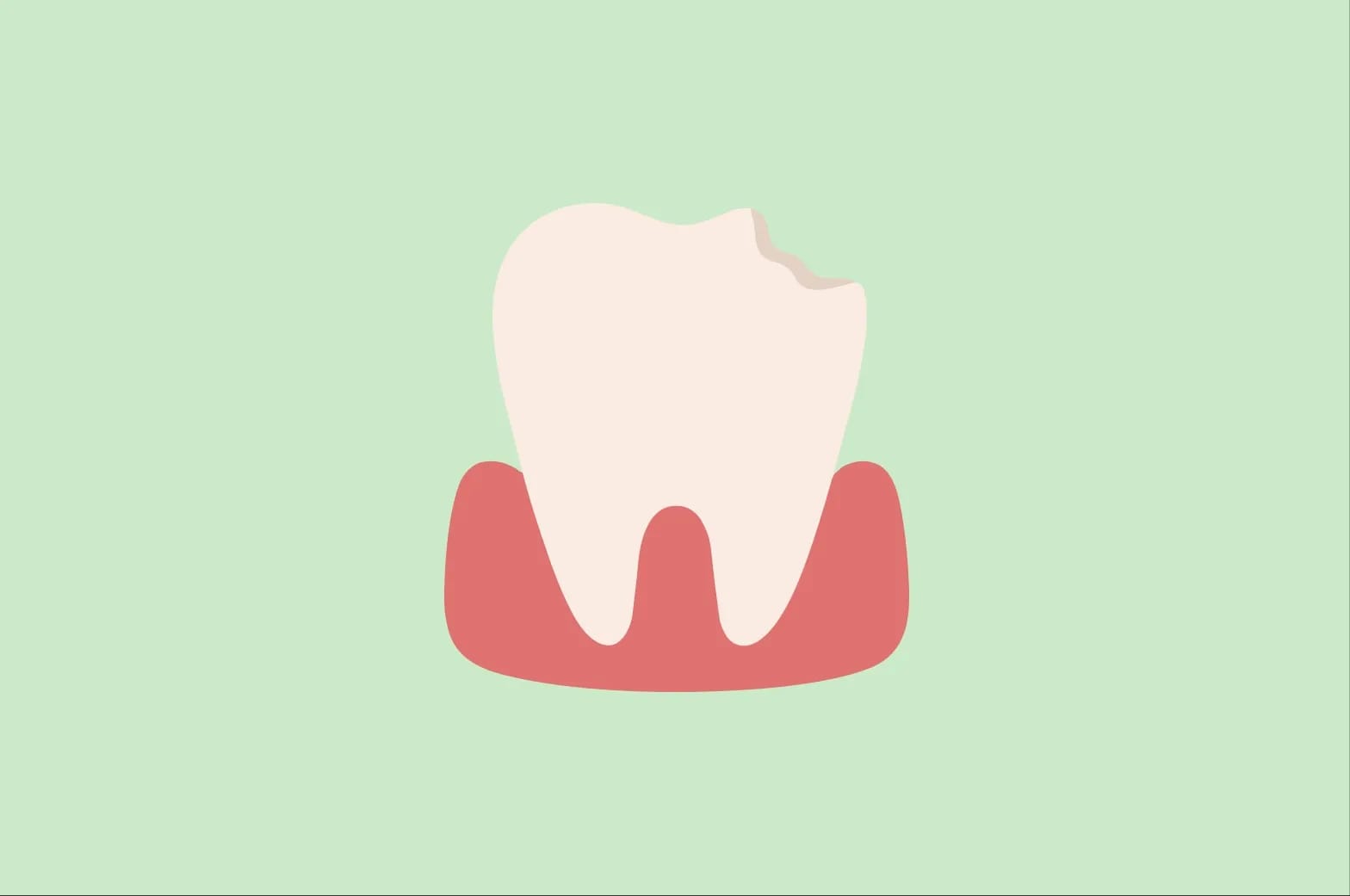
Damaged and decaying teeth can cause ongoing discomfort and embarrassment. Contact Yorkshire Dental Suite to discuss your treatment options, including zirconia crowns.
Zirconia crowns are a permanent solution for a wide range of dental issues, from severe tooth decay to painful cracks and misshapenness. This popular treatment is able to last up to 15 years (or longer) if well cared for.
What is a zirconia crown?
A crown replaces damage on the visible portion of a tooth, leaving the root intact. It is a permanent dental restoration used for damage and decay that is too severe for fillings, but not severe enough for dental implants.
How many years does a zirconia crown last? Compared to other dental materials zirconia is extremely hard wearing, and 10x stronger than the tooth’s natural enamel. Its lifespan can be as long as 15+ years depending on the aftercare.
Who is a good candidate for zirconia crowns?
This procedure is very versatile. If you are experiencing any of the following oral health issues, a dental crown could be the perfect solution. It is also used to support other dental treatments like implants, bridges and root canals.
- Weak tooth: Replace thin enamel, cracks and cavities with a hard-wearing crown for restored confidence and a strong bite.
- A large filling needs replacing: The integrity of your tooth may become compromised as your filling increases in size. A crown is the ideal replacement.
- Severe decay: Crowns replace broken and decaying dental material with a new perfect tooth.
- Worn, damaged teeth: Whether it’s the result of teeth grinding or an accident, teeth are susceptible to damage. A crown restores your tooth back to health.
Most patients are generally eligible for dental crowns. All we ask is that you are over the age of 18 and do not have issues such as gum disease. Hygienist appointments are available to help get your oral health in suitable condition.
Alternative materials used for dental crowns
You may be wondering, why is zirconia used for crowns? Zirconia is extremely hard-wearing, meaning it is able to withstand chewing and biting forces. It is a very beautiful material too and blends seamlessly into your natural smile.
Zirconia is not the only choice for your dental crown treatment. You also have the following options – your dentist will help determine which is the most suitable during your initial consultation.
Type of crown | What is it? |
Porcelain crown | Crafted from a fine ceramic, this material has a tooth-like iridescence and translucency, giving it an ultra-realistic appearance. This treatment is often nicknamed a ceramic crown. |
Silver crown | Typically made with nickel, tin and copper. Silver is a more affordable option (making it a popular choice amongst NHS dentists) but only has a lifespan of approximately 5 years. |
Gold crown | Gold is another material with impressive durability. Because of this, they are a great choice for teeth that are not visible, such as molars. We have some patients requesting gold for aesthetic reasons too. |
Zirconia crown procedure
The zirconia dental crown process is carried out across three appointments (consultation included). At a private dentist, your smile transformation is typically completed within 4 – 6 weeks.
The fitting of your crown is carried out in less than an hour. First you are sedated, making the procedure painless, before the tooth is prepped. A temporary crown is then bonded to the tooth, which you will wear until your permanent crown has been made.
Zirconia crown: Cost breakdown
The cost of a single zirconia crown costs £895 at Yorkshire Dental Suite, going up to £15,000 for a full mouth of dental crowns (infamously known as ‘Turkey Teeth’). If you want just one arch of zirconia crowns (10 teeth), you can expect to pay around £8,000.
Crowns are available on the NHS, but zirconia will most likely not. Due to limited resources, cheaper materials such as silver are favoured instead. A crown costs £332.10 at an NHS practice.
Advantages and disadvantages of zirconia crowns
For many patients, zirconia crowns provide life-changing benefits. But, just like any other dental procedure, there are disadvantages to take into consideration too. Let’s go into more detail.
Advantages
- Lasts up to 15+ years with care
- Restores your ability to bite and chew
- Helps to stop your ongoing discomfort
- Treats a wide range of oral health problems
- Protects teeth from future decay and damage
- Zirconia’s beautiful appearance offers a confidence boost
Disadvantages
- A high-cost treatment
- Discolours with wear and cannot be whitened
- Susceptible to chipping and cracking over time
- May cause temporary sensitivity as your mouth adjusts
- Requires a small amount of enamel to be removed, which is irreversible
FAQs
Have questions about dental crowns? We’re here to answer them. If your query is not addressed below, please contact us. Our team are on hand to help you with any questions you have.
Which type of crown is better, ceramic or zirconia?
Zirconia is significantly stronger than ceramic. This means that a zirconia crown is more likely to have a longer lifespan, which makes it great value for money.
What happens to zirconia crowns after 10 years?
A zirconia crown at this point should still be fully functional, but you may notice some slight discolouration, gum recession or plaque build-up.
Will coffee stain zirconia crowns?
Whilst very stain resistant, coffee can discolour your zirconia crown slightly. It is more likely to stain however from things such as plaque or harsh toothpastes.
Conclusion:
Zirconia crowns are a specialty of Yorkshire Dental Suite. Book your consultation with us today and kickstart your journey to a healthier, more confident smile. We would be honoured to help.