Veneers VS Crowns: What's The Difference?
Dental restorations such as crowns and veneers are a specialty of Yorkshire Dental Suite. Book your consultation today for a beautiful, strong smile that lasts.
If you have damaged, discoloured or worn down teeth, it is likely that you have considered both porcelain veneers and crowns. But which treatment is the most suitable for you?
In this blog, we will discuss the key differentiating factors between the two popular procedures, as well as their similarities, to help you make an informed decision.
What’s the main difference between veneers and crowns?
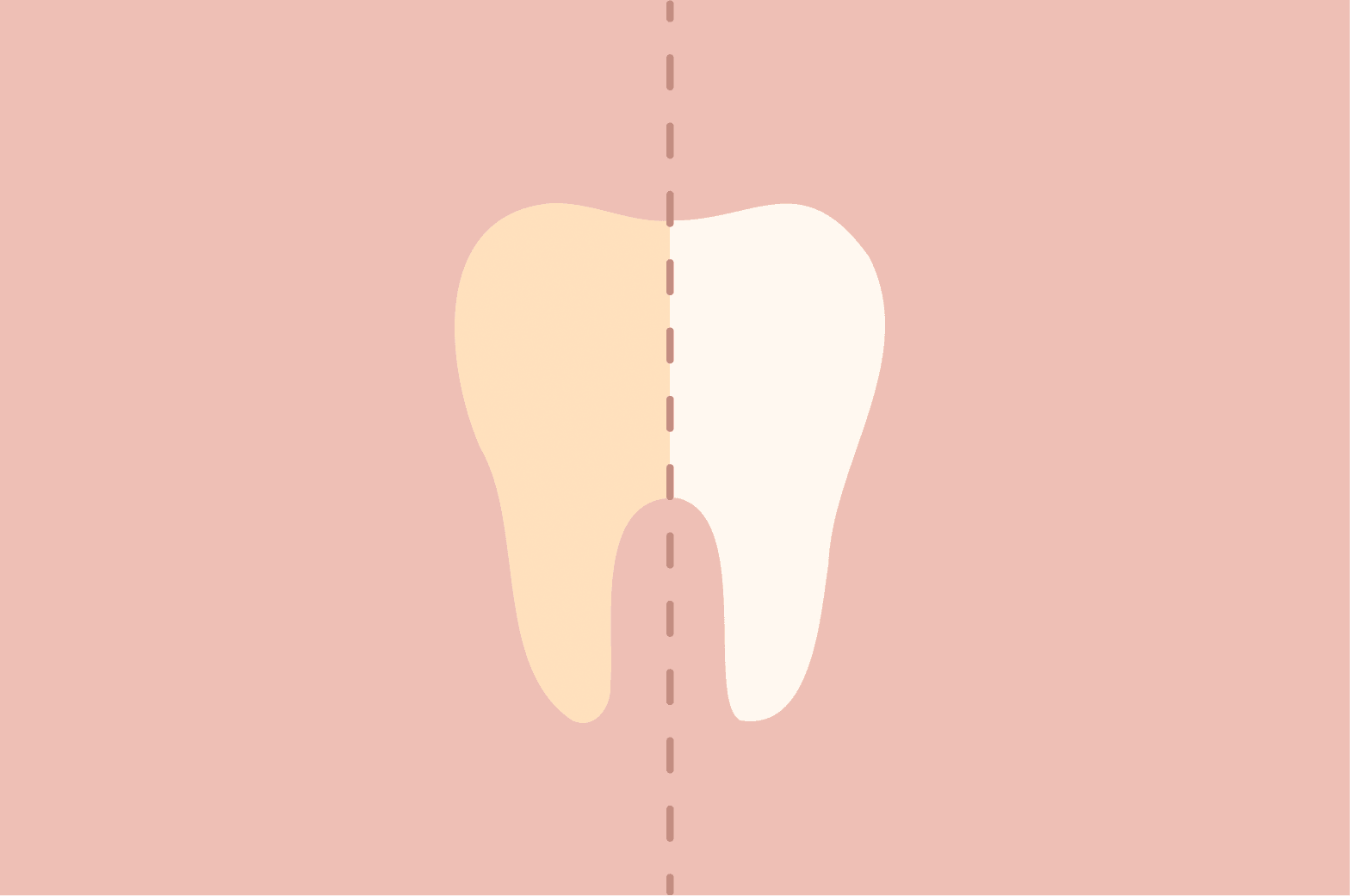
Crowns cover the entire tooth, usually for structural reasons. Veneers are thin covers for the front surface – ideal for cosmetic changes with minimal prep. So, if your teeth are more damaged, crowns may be the better option.
Veneers vs crowns: What are they used for?
Let’s start with veneers. This treatment is ideal for patients who want a glamorous Hollywood smile, but have years of dental wear and tear that needs addressing. Crafted from porcelain, a veneer completely transforms the shape, size and colour of a tooth. They are typically used for:
- Discolouration
- Chipped, worn and uneven edges
- Mild misalignments, for example, small gaps
- Misshapen teeth
- Chips and cracks
Dental crowns replace damage on the visible portion of a tooth. Leaving the root intact, the procedure breathes life back into teeth weakened by common dental issues, such as severe decay. A full mouth of crowns is infamously known as Turkey Teeth. They are typically used for:
- Chips and cracks
- Decay
- Bruxism (teeth grinding)
- Large filling replacements
- Dental implants, bridges, root canals and dentures
Veneers vs crowns: Treatment process
Both treatments require a minimum of three appointments. One is a consultation, and the other two are for the procedure itself. Let’s break down the process step-by-step.
Porcelain veneers:
- You are given sedation or anaesthetic, making the treatment pain free
- The dentist shaves down a minuscule amount of your enamel
- Impressions are taken of the teeth
- These impressions are sent to our in-house lab to create your permanent veneer
- Your temporary veneer is fit
- Once your permanent veneer is ready (usually within 2 - 4 weeks), you will return to the clinic to have the temporary veneer removed, and the final one fitted
Dental crowns:
- You are given sedation or anaesthetic, making the treatment pain free
- The tooth is modified
- Impressions are taken of the teeth
- Your temporary crown is fit
- Our in-house lab creates your permanent crown
- Once your permanent crown is ready (usually within 2 - 4 weeks), you will return to the clinic to have the temporary crown removed, and the final one fitted
Upon first glance, the process looks quite similar. However, a dental crown requires a larger amount of enamel to be removed to make room for the cap.
Veneers vs crowns: Cost
There’s no denying that veneers and crowns are two of the more expensive dental treatments available. Luckily, many private practices will provide a variety of finance options to help you spread the cost over a period of time.
Treatment | Porcelain veneer cost (private)* | Dental crown cost (private)* |
Single tooth | £895 | £895 |
10 teeth | £8,000 | £8,000 |
Full mouth (20 teeth) | £15,000 | £15,000 |
*Yorkshire Dental Suite price
Are either of these treatments available on the NHS? Yes, but rarely. Falling under Band 3 (£332.10), you must be deemed eligible to be able to get either of these procedures at such a low price.
Veneers vs crowns: Treatment lifespan
Porcelain veneers are extremely durable. Depending on the aftercare of the patient and how well it is fitted on the day of the procedure, this type of veneer lasts 15+ years. It is much more durable than its composite counterpart, which has an average duration of 5 – 8 years.
The lifespan of a dental crown depends on the type of material you use. Porcelain-coated zirconia, Yorkshire Dental Suite’s material of choice, is 10x stronger than the tooth’s natural enamel, and can last 15+ years with care. In comparison, a silver crown lasts just 5 years on average.
Veneers vs crowns: What are the pros and cons of each?
Like any other dental procedure, there are advantages and disadvantages to take into consideration prior to booking your appointment.
Pros of veneers | Cons of veneers | Pros of crowns | Cons of crowns |
Highly aesthetic, blends beautifully with natural teeth | Irreversible enamel removal (although very minimal) | Extremely versatile, addresses many issues | Extensive removal of the enamel, which is permanent |
Helps to prevent further issues, like enamel erosion | Prone to staining and discolouration with wear | Improved chewing and biting function | Not indestructible – they can chip or crack |
Extremely versatile, addresses many issues | Not indestructible – they can chip or crack | Removes everyday pain caused by eating | Potential sensitivity while recovering from the procedure |
Which is better, veneers or crowns?
There is no ‘better’ treatment, but the best choice for your smile will depend on numerous factors. As mentioned earlier, if your tooth has extensive damage or decay, a crown is ideal. This is because it helps to repair and reinforce the structure of the tooth.
Veneers are great for those looking for a cosmetic enhancement. While they have reparative properties, they do not offer the same support as a crown. They may also be considered the ‘favourable’ option for patients wanting minimal teeth modifications.
Conclusion:
If you are still undecided as to which treatment you should go for, book a no-pressure consultation with Yorkshire Dental Suite today. We will assess your oral health to get a clear understanding of which procedure will benefit you most.