Dental crowns Birmingham
Eliminate pain caused by damaged and decayed teeth
A dental crown is used when the top of a tooth is damaged beyond repair, but the root itself is healthy. The treatment is a great solution for those wanting to replace a sharp, cracked, worn, misshapen or discoloured tooth for a confident bite.
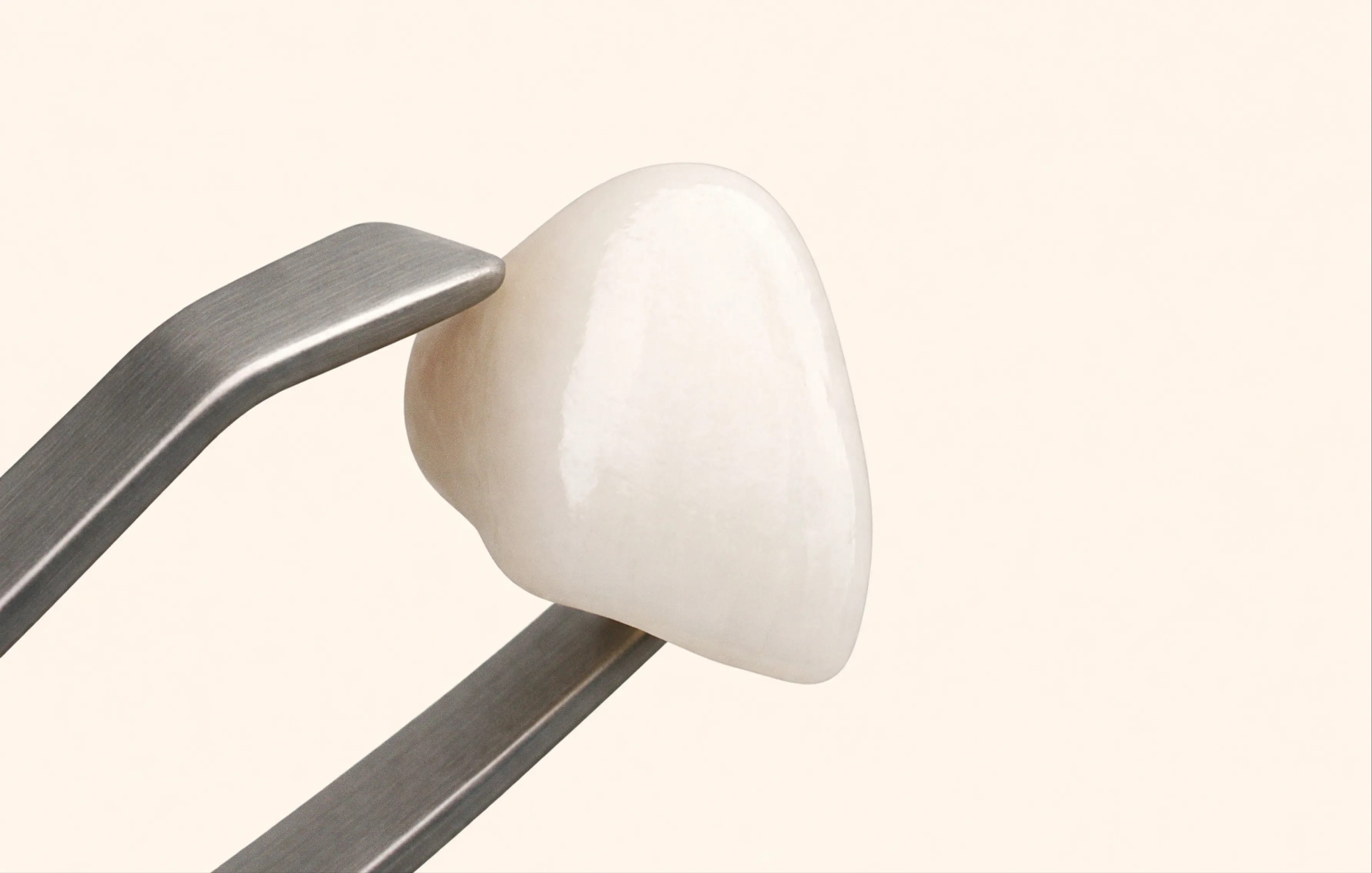
A dental crown is used when the top of a tooth is damaged beyond repair, but the root itself is healthy. The treatment is a great solution for those wanting to replace a sharp, cracked, worn, misshapen or discoloured tooth for a confident bite.
Locally renowned, across the nation

.svg)



What is a dental crown on a tooth?
A long-term improvement in your quality of life
A dental crown is a cosmetic replacement that functions and appears just like your normal teeth. From a single tooth to a full set of crowns (infamously known as Turkey Teeth), dental crown treatments are a versatile solution that replaces worn, painful teeth with a perfect straight white smile.
Why get a dental crown?
This versatile dental procedure goes beyond the cosmetic
Strengthen a weak tooth
Crowns substitute weakened teeth. Replace thin enamel, cracks and cavities with a hard-wearing crown for restored confidence and a strong bite.
Replace a large filling
The integrity of your tooth can be compromised as your fillings increase in size. A crown may then be used to replace the damaged portion of your tooth.
Treat severe tooth decay
Tooth decay damages and weakens teeth. This treatment replaces broken and decaying dental material with a new, perfect crown.
To support another dental treatment
From dental implants and dentures to bridges and root canals, crowns play an essential role in multiple dental procedures.
Restore a worn or damaged tooth
From teeth grinding to unexpected accidents, teeth can become damaged. If this damage covers the top of your tooth, crowns are an effective solution.
Strengthen a weak tooth
Crowns substitute weakened teeth. Replace thin enamel, cracks and cavities with a hard-wearing crown for restored confidence and a strong bite.
Replace a large filling
The integrity of your tooth can be compromised as your fillings increase in size. A crown may then be used to replace the damaged portion of your tooth.
Treat severe tooth decay
Tooth decay damages and weakens teeth. This treatment replaces broken and decaying dental material with a new, perfect crown.
To support another dental treatment
From dental implants and dentures to bridges and root canals, crowns play an essential role in multiple dental procedures.
Restore a worn or damaged tooth
From teeth grinding to unexpected accidents, teeth can become damaged. If this damage covers the top of your tooth, crowns are an effective solution.

The different types of dental crowns
Seamless tooth restorations that instantly restore function
There are many different types of dental crowns, each of which offer their own advantages and disadvantages.
- Zirconia crown: Created from a ceramic-coated metal. Zirconia is 10x more durable than a tooth's natural enamel, and blends beautifully into your smile.
- Porcelain crown: Created from a fine ceramic. Boasting impressive durability, porcelain crowns are the most realistic-looking option, thanks to its translucency and iridescence.
- Gold crown tooth: Created from 16 carat gold. Yorkshire Dental Suite does not recommend gold crowns, as it can damage both adjacent teeth and teeth on the opposing jaw.
- Silver crown tooth: Created from an alloy of nickel, tin and copper. This affordable material is used by NHS dentists, but is not recommended by Yorkshire Dental Suite due to its short lifespan (5 years).
- Metal crown tooth: This is simply another name for a silver crown.
- Ceramic crown: This is simply another name for a porcelain crown.
Pricing
How much do dental crowns cost?
- Dental consultation
- Price:
£95
- Per tooth
- Price:
£895
- 10 crowns (e.g. top set)
- Price:
£8,950
- 20 crowns (e.g. full mouth)
- Price:
£17,900
Need to spread the cost of treatment?
Finance available
0% APR when repaid over 2 years
9.9% APR when repaid over 60 months
The dental crown process
Three appointments. 15+ years of confident smiles.

Consultation
Talk through your smile goals with your dental crown specialist. You will also have an oral health check to ensure you are eligible for treatment.
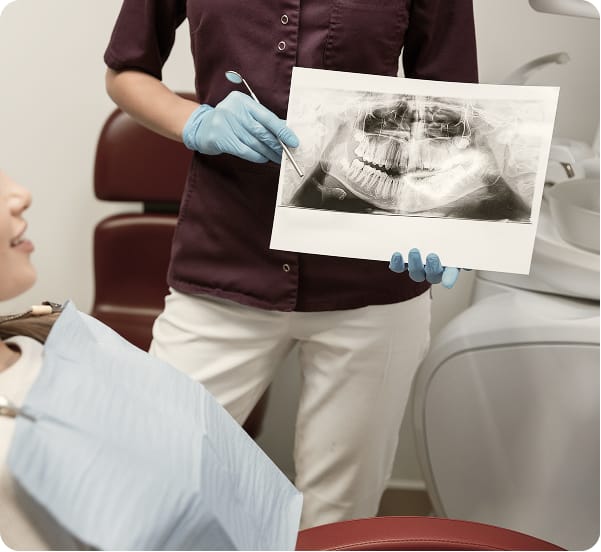
Dental crown preparation
During this visit, your tooth is prepared for the crown, and a temporary cap is placed. You will be numbed to ensure a pain-free experience.
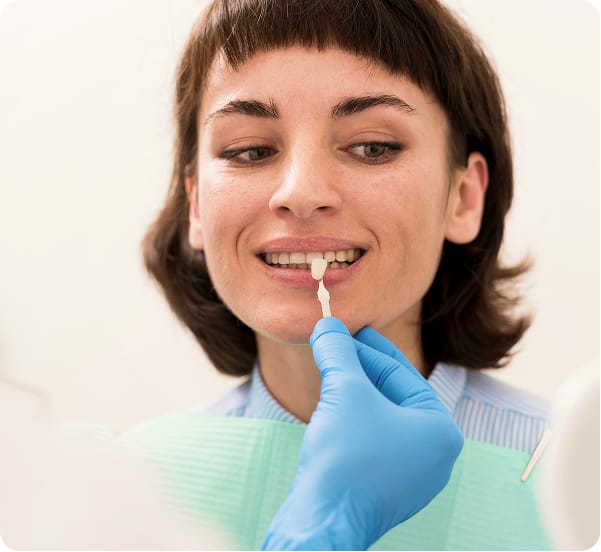
Final fit
Once your final crown is ready, usually about two weeks later, you will return to Yorkshire Dental Suite Leeds to have it permanently fitted.
Talk through your smile goals with your dental crown specialist. You will also have an oral health check to ensure you are eligible for treatment.
The brand patients trust
Rated 5 stars from 7,000+ Google reviews
Omg the staff go above and beyond to make you feel comfortable about your treatment I'm so looking forward to my journey. X

zoey Francis
outstanding staff amazing people who make you feel so comfortable and relaxed frim reveption, evie, and the dental staff ... Highly recommend this company and my new smile

Michelle Cutajar
Can't wait to start with my treatment. Amazing service the doctor was very honest and professional.thanks so much I should be contacted Yorkshire Dental suite sooner.

Beauty

Nicola Tyrer

Robert Knaggs
I have never felt so at ease. From the consultation to discussing a treatment plan everyone that I came across were super friendly and completely honest in what would work for me or not. Ellie in particular was amazing, so friendly and you genuinely felt like she really cared about your treatment and reasons behind this! My partner even ended up booking treatment as well! I can’t wait for my treatment date!

Shauner Ash
Very friendly. Excellent service.

Chris
Excellent service from lydia angela liv and dr samme

Joan Bynon

Josh Wheldrake
Outstanding service and support from all staff , felt welcome from the whole team and really looking forward to starting my treatment.

Jackson Black
Perfect

jacob whale
Absolutely perfect service, quick and efficient.

Abrar Ahmed
It was nice and good hospitality

Sneha Reddy

Bsnsbdb Hzhabd
I was late and they were very understanding. Lovely place with lovely people. Highly recommend

Stephen Caines Cook
Great practice! Dr Zain was very gentle and explained everything very well and thoroughly. The manager Pedro also very helpful, friendly and communicative. Receptionist was also very friendly! Xx

Bethany Goode
Dental crowns FAQs
Have questions about dental crowns?
The experts at Yorkshire Dental Suite Leeds answer the queries we receive most from dental crown patients.
Yorkshire Dental Suite Leeds has optimised the dental crown procedure. Our highly-skilled dentists efficiently work until you have the perfect smile once again, and will keep you only as long as is necessary.
The basic procedure, step by step
- Submit an enquiry
- You will be called by a booking consultant to discuss your treatment options and finance. We will then match your availability with that of your nearest available dentist
- An in-person consultation costs £95. This includes registration, an oral examination, X-rays, CT scans, photographs and a treatment plan. Prices will be fixed and you can agree a finance plan. You are then able to book a day for your treatment
- During your treatment your tooth is modified, and a temporary crown is fit
- Our lab crafts your permanent crown using zirconia or porcelain
- At your next appointment your temporary crown is removed, and your final one fit
Preparation for a dental crown
In preparation for your dental crown you should:
- Have any gum disease treated
- Ensure your teeth are clean by brushing with a fluoride toothpaste and interdental brushes or floss
- Avoid food or drink that could stain your teeth
- Avoid smoking or vaping before your procedure
Temporary dental crown
Your temporary dental crown is worn while your final one is being made in our laboratory. The crown is made from acrylic and is less durable than your final zirconia or porcelain crown. As a result, you should avoid biting or chewing hard, crunchy or sticky foods with your crown. If your teeth are sensitive, or your gums feels painful, you can take over-the-counter pain medication. This will help to alleviate your symptoms, but contact your dentist if this discomfort persists.
How long do dental crowns last?
Dental crowns last around 15 years. They can last much longer if they are cared for. While zirconia and porcelain crowns are hard wearing and lack any susceptibility to cavities, they are not indestructible.
Dental crown aftercare
To preserve your crown and ensure it delivers many years of use, please follow these instructions:
- Attend regular dental check-ups and hygiene appointments; this helps your dentist to identify issues before they become major problems
- Brush your teeth with a fluoride toothpaste, using a soft-bristled toothbrush (be sure to clean the whole tooth, paying particular attention to your gumline)
- Use floss or interdental brushes. Be careful not to catch under your crown, which can cause it to become loose
- Avoid acidic food and drink which can degrade the bond between your tooth and crown; if this is unavoidable, please rinse regularly with water during your meal
- Avoid biting hard objects such as pen barrels, pen lids, keys, nails etc. as these can damage your crown
If you have damaged your crown, or it has become loose, then it will need replacing. To do so your dentist will:
- Use a solution that breaks down the bond between your crown and tooth
- Remove the crown
- Clean the tooth and gum thoroughly
- Take a 3D scan or mould of your tooth
This allows your dental lab to create a new crown that fits securely over your tooth. If you are worried about damaging your new tooth, ask about a zirconia crown - this material is significantly stronger than a natural tooth.
How often should dental crowns be replaced?
As mentioned earlier, dental crowns have an impressive lifespan, delivering 15+ years of wear if well cared for. We recommend replacing your dental crown when it begins to show signs of damage, or feels loose in the mouth. These are common signs that indicate you are in need of a dental crown replacement:
- Visible cracks
- Visible chips
- Loose, wobbly feeling
- Persistent pain or sensitivity
- Infection
- Difficulty when chewing
- Changes in bite alignment
- Gum recession around the crown
With sedation, the procedure of getting dental crowns will be painless. Discuss your sedation options during your dental consultation to better understand your options and outcomes.
Following the procedure, your tooth can be sensitive to hot and cold, and your gums may become inflamed and sore, especially in the first few days. For some patients, this discomfort lasts up to two weeks. Manage any discomfort with temporary tweaks to your diet and over-the-counter pain medication.
24 hours after getting your permanent crown
In the first 12-24 hours of having your permanent crown fitted, the dental cement used to attach the crown to your tooth will still be setting. During this time, we recommend following a soft food diet to avoid damaging or displacing your new crown.
First two weeks after your treatment
For the first two weeks following your procedure, your teeth and gums can be sensitive. During this time you should continue to maintain your oral hygiene routine. You should also consider avoiding hot and cold food and drink that trigger sensitivity.
Two weeks+ after your treatment
Once your mouth has adjusted to your new crowns and any sensitivity or inflammation has gone, you are free to eat and drink as normal. You should still be aware that crowns are not indestructible. As a result, we recommend you avoid overly hard and crunchy foods. These include nuts, ice cubes and popcorn, as well as chewing gum, toffee and peanut butter. Avoid sticky foods to stop them from chipping or cracking.
To preserve the whiteness of your new crowns you should consider avoiding foods known to stain teeth. These include:
- Coffee, cola and red wine
- Tomato sauces and curries
- Acidic food and drinks
- Alcohol
Sometimes eating food that has the potential to stain your crowns is unavoidable. Preserve the whiteness of your teeth by swilling with water between meals and brushing your teeth.
Dental crown soreness
After having a dental crown, some patients report sore gums. This may be due to unavoidable debris caused by the treatment, which can get stuck around your gumline and become an irritation.
Tooth pain under crown comes and goes
If you have dental crowns and are experiencing pain that comes and goes, you could have a cavity, nerve pain or gum disease.
- Crowns do not fully cover your tooth and there can be some of your natural tooth showing that is susceptible to cavities
- Nerve pain could be a sign that you need a root canal treatment
- If you are struggling to effectively clean your teeth you could develop gum disease
If you are experiencing intermittent pain under your crown please contact your dentist.
If you have a loose crown, don’t panic! Call your dentist and request an emergency appointment. In most cases, your crown can be cleaned and reattached using fresh dental cement. If the crown or tooth is damaged, then you may need a brand-new crown. Alternatively, your dentist can advise on alternative treatments.
My crown fell out, there’s no tooth left
If your crown has fallen out and there’s no tooth left to attach a replacement crown to, then it is likely your tooth has been weakened or decayed. Your options are numerous, including:
- Removing the tooth and leaving a gap
- Removing the tooth and replacing it with a dental implant
- A crown or implant-retained bridge
- A partial denture
Please discuss your situation with a YDS dentist to identify the best solution for you.
Many patients choose to have a dental crown when they have a root canal treatment. This covers the area, providing a hard-wearing protective shell to the tooth. Alternatively if you are having a root canal procedure, discuss composite bonding with your dentist.
As with any type of surgery there are risks and benefits that you should be aware of before making your decision. We have outlined these below:
Advantages of dental crowns
If you are thinking of getting dental crowns, then it is likely you are focused on relieving pain. However, crowns come with some benefits you might not have considered:
- Eliminates ongoing discomfort
- Preserves the tooth root: your underlying tooth remains in place
- Maintains bone density: keeping the original tooth root preserves your bone density. This stops your mouth from puckering, which could make you look older
- Replace worn, broken, discoloured and decayed teeth, improving your aesthetic
- Protect teeth from further erosion with a new hard-wearing crown
- Improve chewing, helping you to bite down confidently
- Enhance appearance, helping you to smile confidently
- Lasts 15+ years with proper care
Disadvantages of dental crowns
To help you fully evaluate your treatment, we have listed some of the disadvantages of having dental crowns below:
- Requires removal of natural tooth enamel to provide a surface for the crown to bond to your natural tooth (this is irreversible)
- Temporarily makes teeth sensitive
- Not indestructible, meaning it can break or fracture just like your natural teeth
- Can trap bacteria and cause decay if not properly fitted. Contact your dentist if you feel discomfort
- Can rarely cause allergic reactions; check for sensitive gums, swelling and irritation
- It's an expensive cosmetic treatment
Potential complications
No medical procedure is without risk. To help you to better understand the treatment in full we have listed potential complications below. If you experience any issues during or after your treatment, please call your dentist for advice and support.
- Sensitive teeth: your teeth will be sensitive for up to two weeks after your treatment. This is normal. Take any appropriate over-the-counter pain medicine. You should also continue to brush your teeth using a soft toothbrush and fluoride toothpaste. In addition to this, use floss or interdental brushes and rinse with a fluoride mouthwash.
- Altered speech: it may take time for your mouth and tongue to become used to your new tooth. While this happens, your speech can be affected, and you may slur your words.
- Infection or inflammation: the initial procedure can cause gums to become sore and sensitive. This should stop after a few weeks. If you experience ongoing pain, please contact your dentist.
- Bleeding: like having sensitive gums, your gums may bleed for a short period after your treatment. If this continues, please speak to your dentist.
Dangers of dental crowns
Dangers is a strong word. If you’re looking for reasons that might deter you from having dental crowns then we have produced the following guide:
- The procedure permanently modifies your tooth and cannot be reversed. This means you will potentially need to update your crowns every 5-20 years depending on its condition.
- Failing to properly care for your crown can cause the tooth underneath to rot. This creates cavities and potentially requires a root canal treatment.
- Crowns can chip and break just like an ordinary tooth.
- Crowns cannot be whitened like a natural tooth. This can mean they discolour at a different rate to your other teeth.
- Crowns can become loose and develop sharp edges that irritate your inner cheek, tongue and gums. Please consult your doctor if you think your crown is becoming loose.
There are many alternatives to having dental crowns. Each has its strengths and weaknesses to take into consideration.
- Veneers: suitable if only the outward face or edge of the tooth is damaged
- Tooth extraction: suitable if the tooth root is damaged
- Dental implant: replaces the entire tooth and root if damage is extensive
- Composite bonding: cosmetically fixes cracks and chips
- Inlay: fixes localised damage across the centre of the tooth
- Onlay: fixes localised damage across the top of the tooth

Dental crowns near me
Find your local Yorkshire Dental Suite clinic
Yorkshire Dental Suite Guiseley,
2 Leeds Rd, Guiseley, Leeds LS20 9NA
Tel: 01943 330010
Email: [email protected]
The areas we cover include:
Yeadon, Rawdon, Tranmere Park, Hawksworth, Esholt, Menston, Otley, Burley and Carlton.
Book your dental crown consultation
Start your journey to a confident bite and beautiful smile today