Using Charcoal To Whiten Teeth: Everything You Need To Know
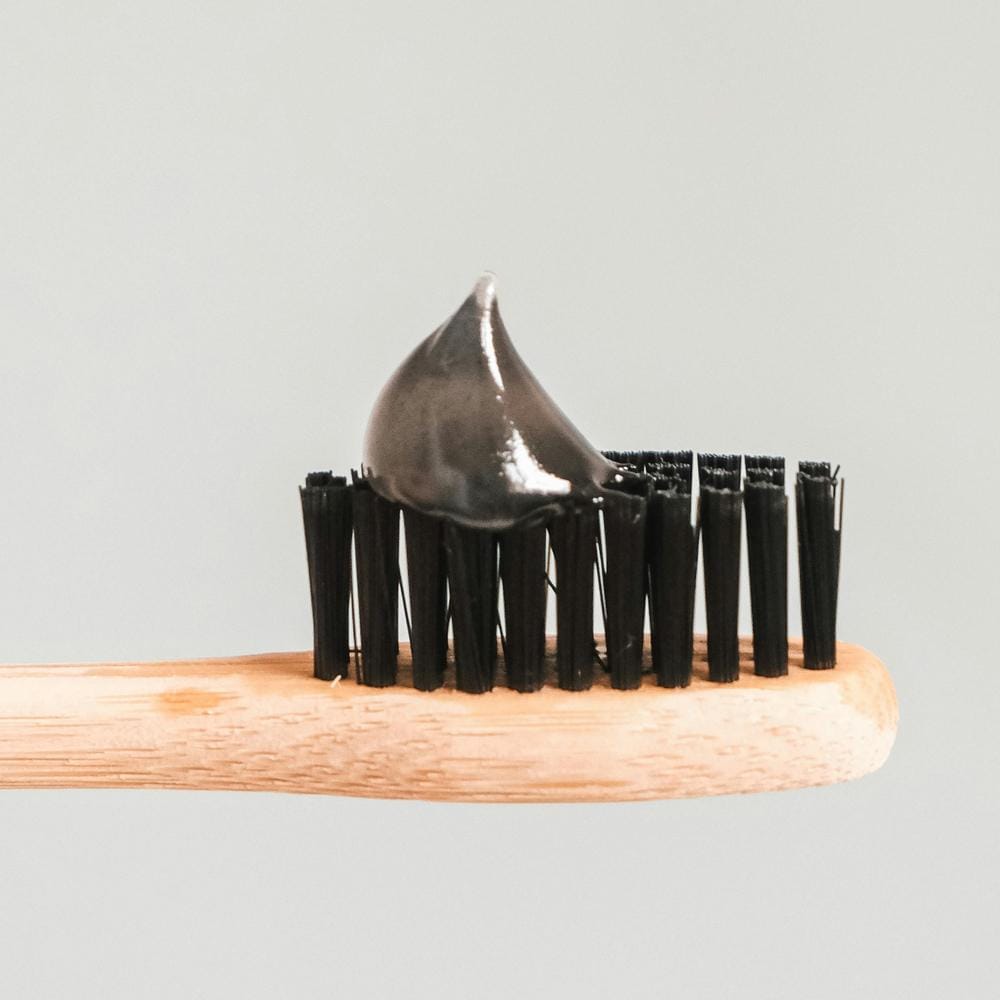
Charcoal is a very popular ingredient in teeth whitening products. Found in toothpastes, mouthwashes, strips, powders and pastes, many brands claim that it can brighten up your smile and improve bad breath. Let’s debate the effectiveness of charcoal for teeth whitening and if it deserves a spot in your oral health care routine.
Does charcoal whiten teeth naturally?
The answer to this is debatable. Certain studies have found that activated charcoal is effective in removing surface stains caused by coffee (1) and may minimise mild discolouration. On the other hand, there are reports that suggest charcoal is too abrasive for the teeth, and can actually damage the enamel and gums if misused (2). It is therefore imperative that you carry out your research before using charcoal for teeth whitening.
Using charcoal to whiten teeth
As mentioned earlier, charcoal is found in many over-the-counter products. We recommend choosing an item from a respected, well-known brand with dentist-backed reviews. In addition to this, be sure to select a product that addresses your individual dental issues, for example, sensitive gums.
Other natural teeth whitening methods
Charcoal isn’t the only natural teeth whitening solution available. The ingredients mentioned below are also believed to refresh the colour of your smile from the comfort of home.
Ingredient | How it works |
|---|---|
Baking soda | Gently buffs the teeth for a more gleaming and uniform finish. |
Coconut oil | This antimicrobial ingredient is used in the ‘oil pulling’ technique that has grown in popularity. |
Turmeric | Mildly abrasive, antimicrobial and packed full of antioxidants. Targets surface stains. |
Banana peel | Rich in potassium and magnesium, two ingredients recognised to have a whitening effect on smiles. |
Bicarbonate of soda | Similar to baking soda, bicarbonate of soda polishes the tooth’s enamel. |
Abrasive DIY teeth whitening remedies have risks that need to be considered. If you use the incorrect application technique or overuse an ingredient, there is a chance that you can damage the enamel. By choosing an in-clinic treatment or a dentist-led product, you are mitigating these risks. This is because the formulations have been extensively trialled, and you are receiving the assistance of a professional.
Another mistake people often make is by replacing their typical teeth brushing routine with a DIY counterpart. Please do not do this – the fluoride in your toothpastes and mouthwashes play a vital role in the prevention of cavities and tooth decay.
Conclusion:
Natural teeth whitening ingredients (such as charcoal) may be used as an alternative to, or in combination with, professional and over-the-counter treatments. Yorkshire Dental Suite offers a wide range of procedures that will give you a whiter, brighter smile – book a consultation today.
References: