Symptoms Of Loose Dental Implant Crown
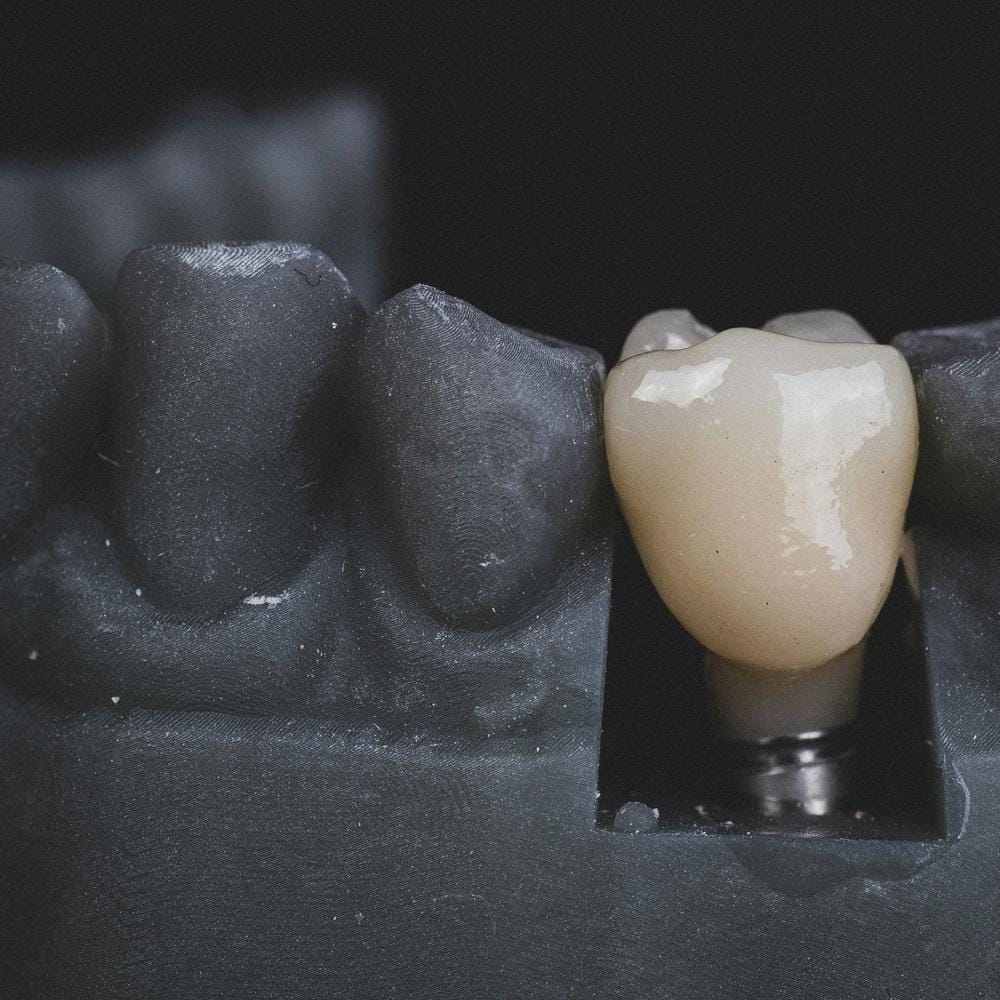
Fix a loose dental crown at your local YDS clinic - contact us for options, prices and pay monthly finance.
Difficulties when chewing, changes in your bite - these are common symptoms of loose dental implant crown, and should be communicated with your dentist as soon as possible so it can be fixed.
Causes of a loose dental implant crown
What causes your dental implant crown to feel loose in the first place? There are many contributing factors:
- Bruxism: The pressure placed on the implant from this excessive clenching and grinding leads to a loose-feeling crown.
- Infection: A result of many things, including poor oral hygiene, infections such as peri-implantitis pose the threat of bone loss.
- Bone loss: A dental implant needs a strong base to anchor to. If there isn’t enough supporting bone, your implant and crown may begin to shift.
- Trauma: Mouth injuries have the ability to damage the structure of your crown damage and make it feel loose or wiggly.
- Improper placement: A poorly placed crown will not sit correctly on the implant.
- Dental cement: In some cases, the crown is cemented to the implant abutment. If this cement weakens, the crown can begin to loosen.
The symptoms of loose dental implant crown
One of the most common symptoms of a loose dental implant crown is movement. Your crown is designed to perform just look your natural teeth and, if it is shifting in the mouth and altering your bite, it’s potentially indicating that your crown is not correctly attached to your implant. Other symptoms include pain when biting and chewing, swelling and noticeable space beneath the crown. Some patients also hear abnormal clicking sounds.
Can a loose dental implant crown be fixed?
In most cases, yes. However, if the looseness is caused by a more severe issue such as bone loss, the crown and implant may need to be removed and replaced. This is because your implant needs to attach to a secure base. Zygomatic and pterygoid implants are a great option for patients with bone loss, as well as dental treatments such as bone grafts.
In other cases, it is a quick, easy fix. Your dentist can apply more dental cement to the crown or tighten the abutment. For patients with bruxism, consider wearing a mouth guard – this will help protect your teeth against wear and tear.
Conclusion:
As mentioned earlier, please contact your dentist if you have any of symptoms of a loose dental implant crown. The earlier a loose crown is treated, the higher the possibility that the crown can be fixed, rather than replaced altogether. Yorkshire Dental Suite offers dental implants, crowns and crown repairs – book a consultation today.