Dental Implants VS Crowns: The Key Differences
While they both fall under the dental restoration category, implants and crowns have key differences, including the cost and which problems they treat.
While they both fall under the dental restoration category, implants and crowns have key differences, including the cost and which problems they treat.
Basal implants are sometimes offered to those with extreme bone loss. An arguably controversial treatment, they are not recommended by many dentists.
Discover composite bonding, the non-destructive way to achieve a perfect straight white smile in hours. Lasts up to 5+ years with care.

This treatment attaches a crown to a dental implant without the need for a screw. It has an ultra-natural appearance and longevity of around 15 years.
There are many materials that make up a dental implant. Yorkshire Dental Suite only uses durable, highly biocompatible components for your safety.

Yorkshire Dental Suite has nine state-of-the-art clinics located nationwide, and a team of world-class implantologists ready to transform your smile.
A popular procedure, dental implants have advantages and disadvantages that patients should take into consideration before booking their treatment.
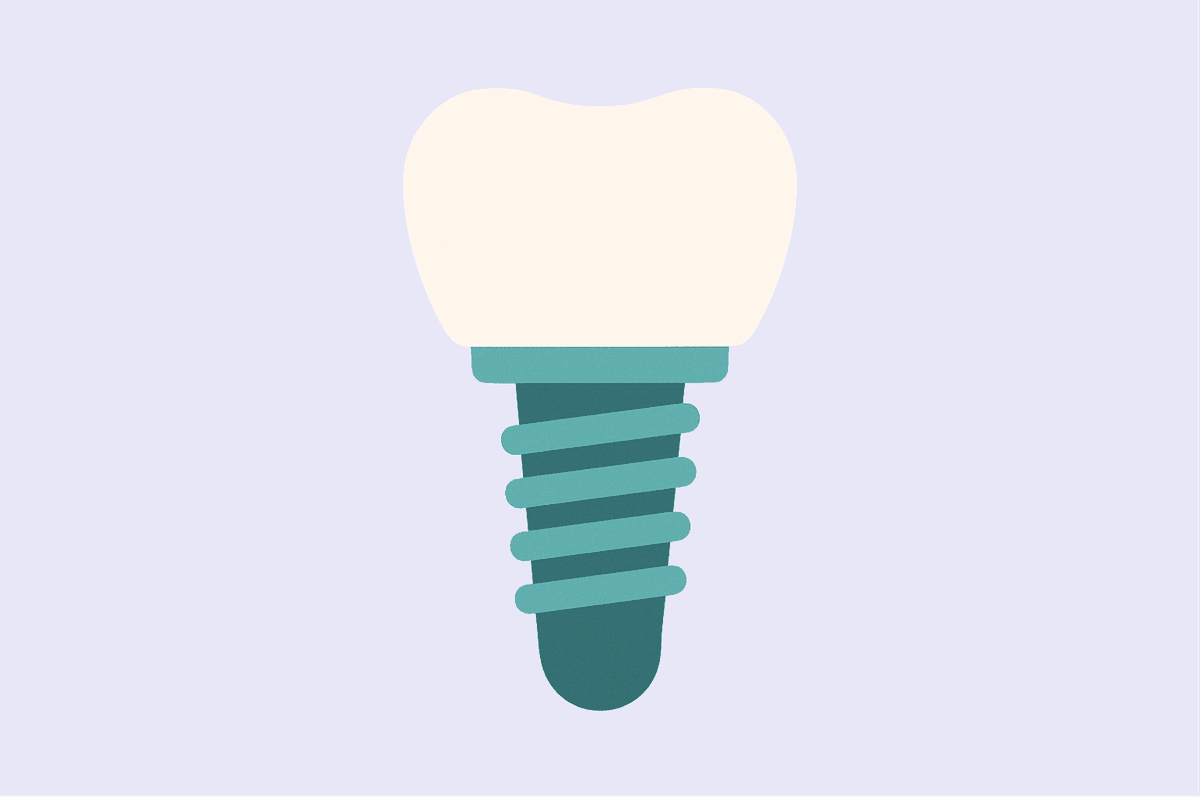
Active gum disease must be treated before dental implant treatment. If it isn’t, there is a risk of implant failure and infections like peri-implantitis.
Porcelain veneers and crowns improve the functionality and aesthetic of your tooth. There are key differences between the treatments to be aware of.

If you have severe toothache, facial swelling or a fever, you may need an emergency root canal. Both NHS and private clinics can provide urgent dental care.
Small gaps between the teeth can be visibly closed with dental bonding. However, this non-permanent treatment helps to disguise a space, rather than close it.
Attaching to the back of the teeth, a permanent retainer helps to prevent teeth from moving out of alignment after orthodontic treatment.