What Is A Permanent Orthodontic Retainer?
Attaching to the back of the teeth, a permanent retainer helps to prevent teeth from moving out of alignment after orthodontic treatment.
Attaching to the back of the teeth, a permanent retainer helps to prevent teeth from moving out of alignment after orthodontic treatment.
Composite bonding is a popular dental treatment that provides a quick cosmetic ‘fix’ for a number of smile issues, including gaps and discolouration.
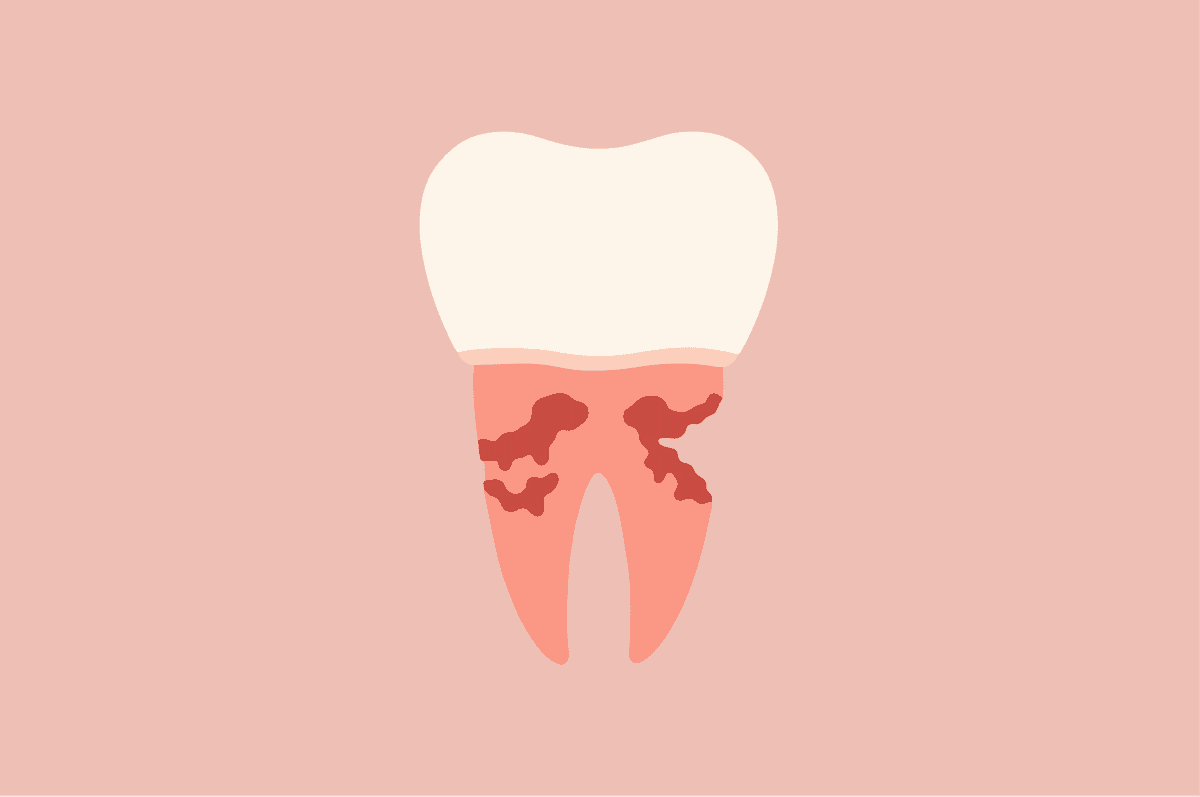
A dental crown has many advantages: it’s strong, long lasting and looks just like your natural teeth. However, there are downsides and risks to be aware of.
Knowing what to eat after getting a dental crown, especially in the first 24 hours following the procedure, helps to prevent damage to your crown and injury.
Both NHS and private dental clinics provide teeth straightening treatments. The most suitable choice for your smile depends on multiple factors.
The five year mark is typically when your bonding shows signs of wear and tear. The severity of this depends on how you care for your smile.

If you are using porcelain veneers or dental crowns to achieve the Turkey Teeth look, part of the enamel will need to be filed down. This is irreversible.
All dental treatments have side effects and risks. Root canals are no exception – this procedure can impact your oral health in the short and long term.

Typically taking three appointments to complete, the dental crown procedure repairs damaged teeth and gives you back the healthy smile you once had.
Dental implants require slight diet modifications while you recover from the surgery. Hard, sticky and spicy food and drinks should be avoided initially.

The price of a root canal varies based on numerous factors, for example, the type of tooth being treated and the dentist carrying out the treatment.
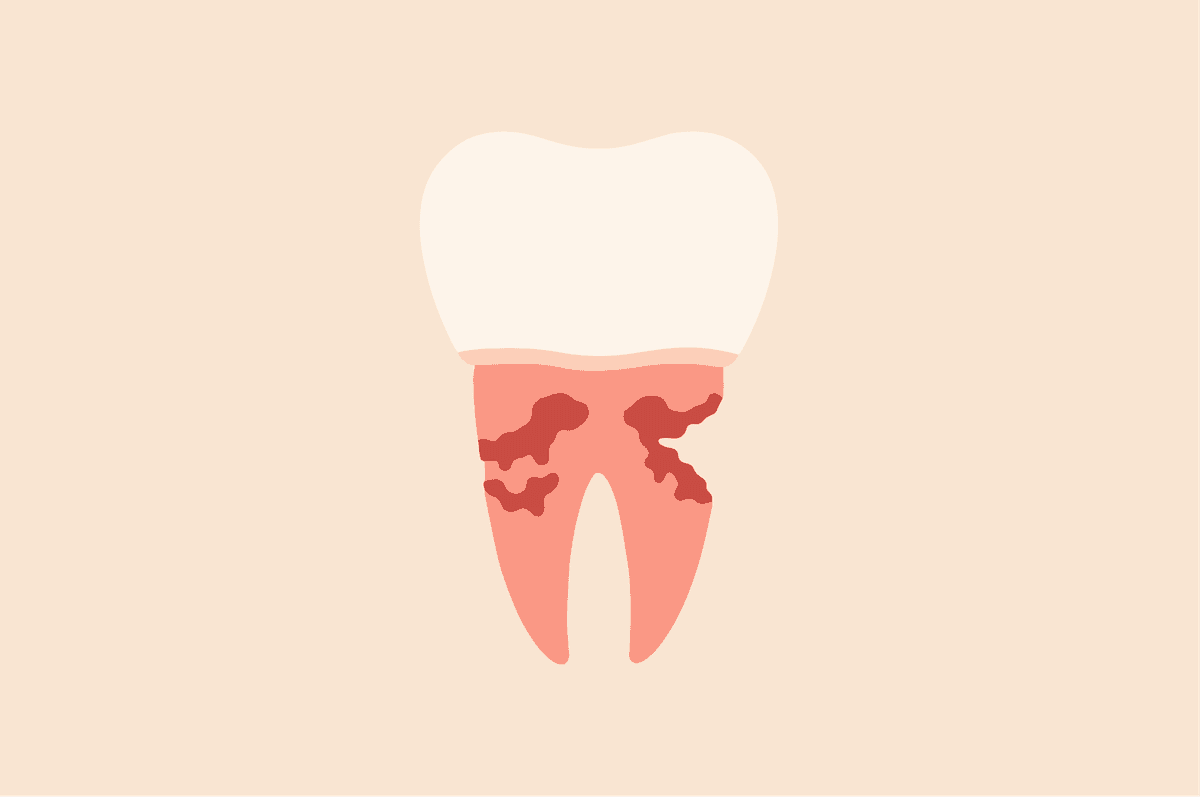
Onlays and crowns are used when a tooth is weakened by decay or injury. Falling under the dental restoration category, both treatments can last 10+ years.