How Many Molars Does An Adult Have?
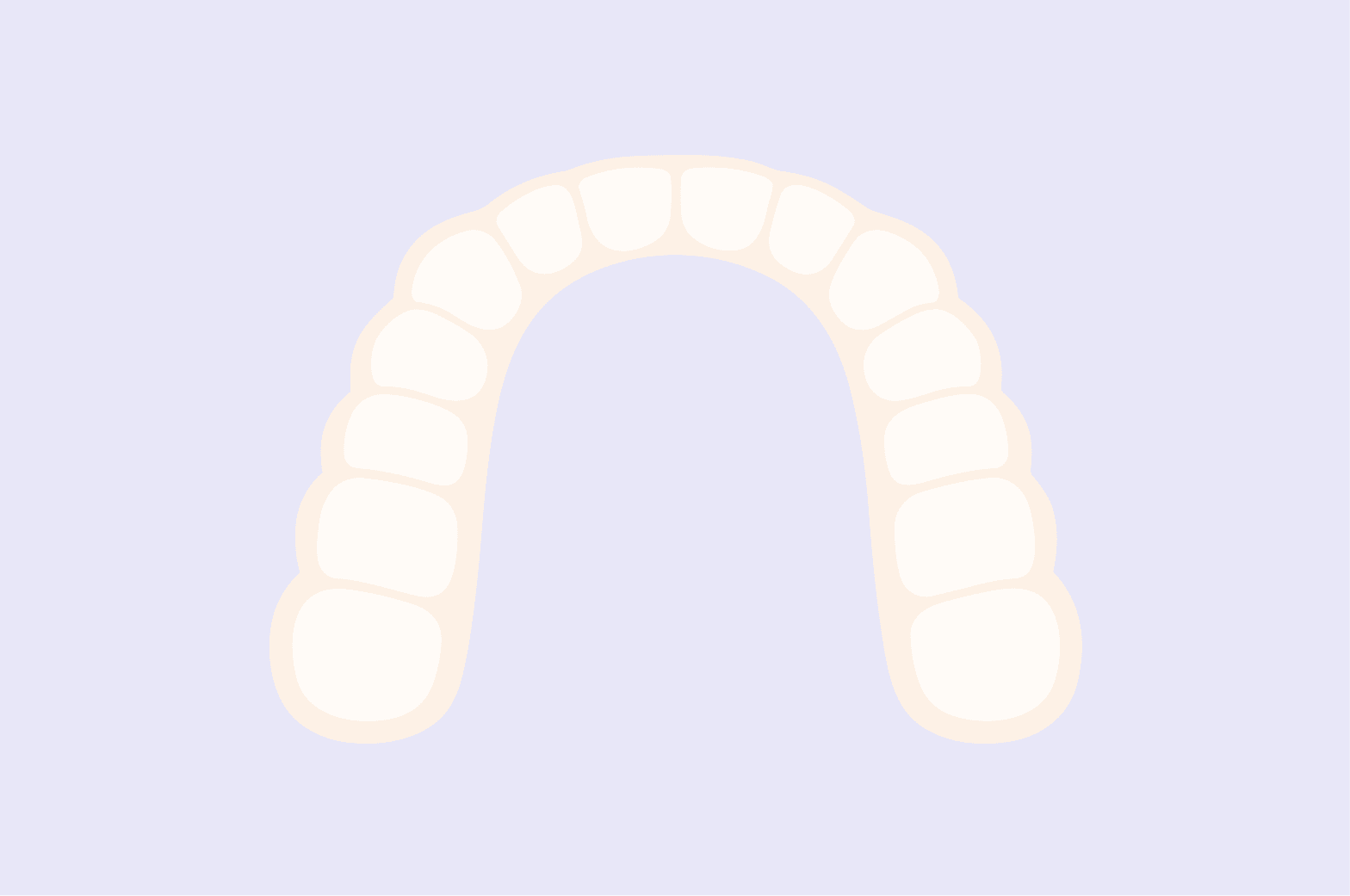
Are you due a check-up with the dentist? Regular appointments help to keep your oral health in good condition – book an appointment with Yorkshire Dental Suite.
Most adults have 28 teeth, while those with all four wisdom teeth have 32. So, how many molars does an adult have? Adults typically have 12 molars in total, including their four wisdom teeth.
What is a molar tooth? Function explained
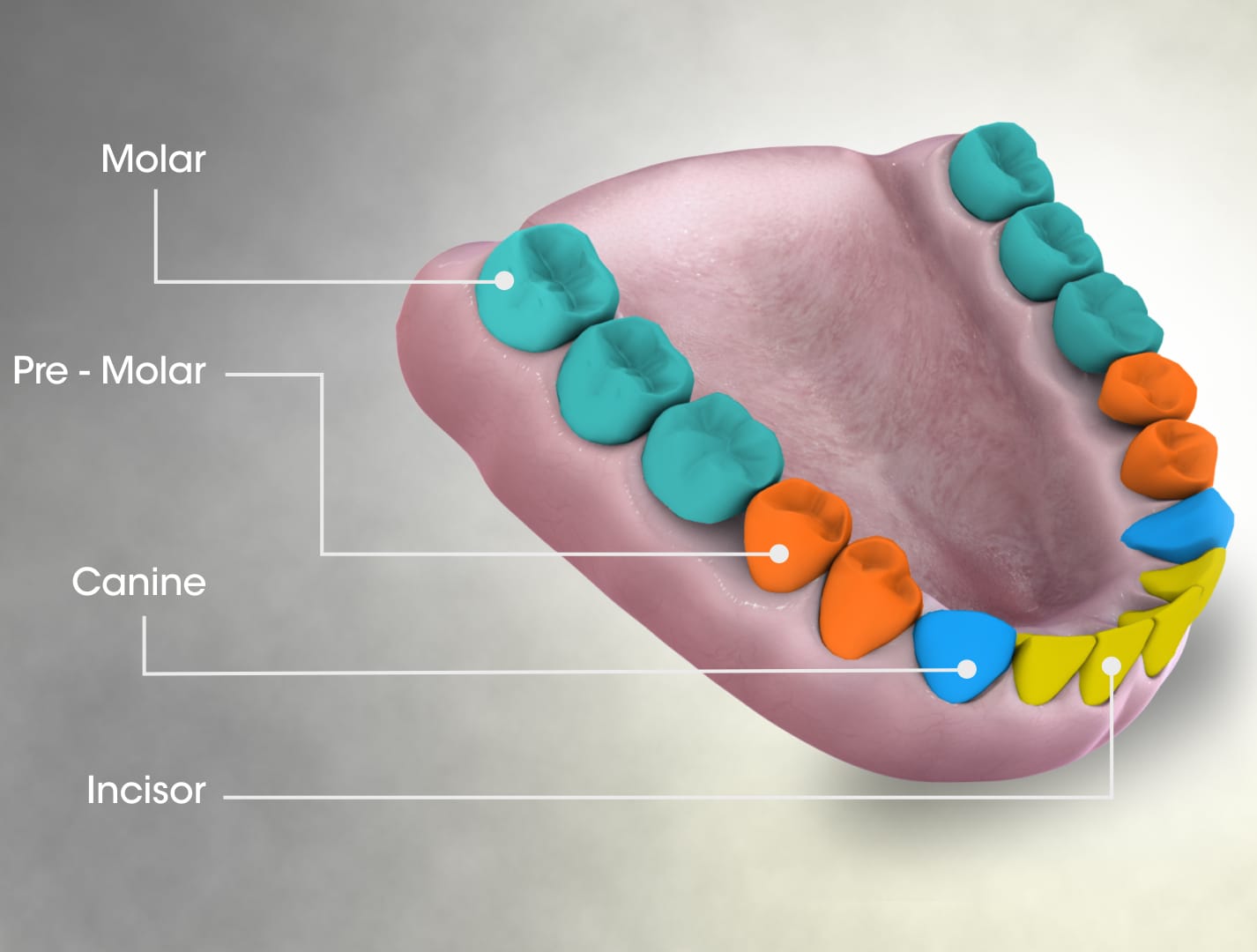
Molars are the large, flat teeth located at the back of the mouth. There are six on both the upper and lower jaws, with three molars in each corner. The primary function of these teeth is to crush and grind food during the chewing process.
Also known as third molars, wisdom teeth are the last to erupt through the gums, usually by the time you are in your late teens or early twenties. As mentioned earlier, not everyone has wisdom teeth.
Some people are not born with any wisdom teeth, while others have wisdom teeth that never grow through the gums because there isn’t enough room in the mouth. Some people may have only one, two or three of these molars instead of four.
The three types of adult molars
Based on their position in the back of the mouth, there are three different types of adult molars, with each molar erupting at different stages of life. They can be categorised as the following.
- First molars: The first permanent teeth to erupt. Coming through the gums directly behind the baby teeth, these molars typically appear between the ages of 6 and 7.
- Second molars: Positioned just behind your first molars, these teeth typically appear between the ages of 11 and 13. They do not replace any baby teeth.
- Third molars: Your wisdom teeth are the furthest back teeth in the mouth. If they are present and have enough room to erupt, these molars typically appear in your late teens or early twenties.
Is the extraction of molar teeth recommended?
The removal of your first and second molars are not recommended unless the tooth is so badly damaged, decayed or infected that no other dental treatment can save it. Extraction is always the last resort.
Your third molars are slightly different. They often cause severe pain and discomfort as they come through, and risk impacting the neighbouring teeth if they erupt at an awkward angle. The arrival of wisdom teeth can push teeth out of alignment and, due to their location, are harder to clean. This increases the chance of decay.
For these reasons, your dentist may suggest removing the wisdom tooth. Is it worth replacing a molar once removed? Yes. Molars play a vital role in the chewing process and help to prevent other oral health issues, such as misaligned bites and Temporomandibular Joint Disorders (TMDs). There are many treatment options:
- Dental implant: A permanent tooth replacement. A grade 5 titanium implant is surgically inserted into the jaw, followed by an abutment and a beautiful white crown that resembles your natural tooth.
- Denture: An orthodontic device that fits over your gums or clip onto existing teeth to stay in place. Choose between a fixed or permanent denture to replace your missing molar.
- Dental bridge: Bridges are secured using a dental implant or special clasps or wings that attach to the healthy teeth adjacent to the gap. It may be used to replace one or multiple molars.
Conclusion:
Molars, just like any other teeth, require a great oral hygiene routine, balanced diet and regular dental check-ups to keep them in good condition. If you have any concerns about your smile, contact Yorkshire Dental Suite today.