What Is A Dentist Filling?
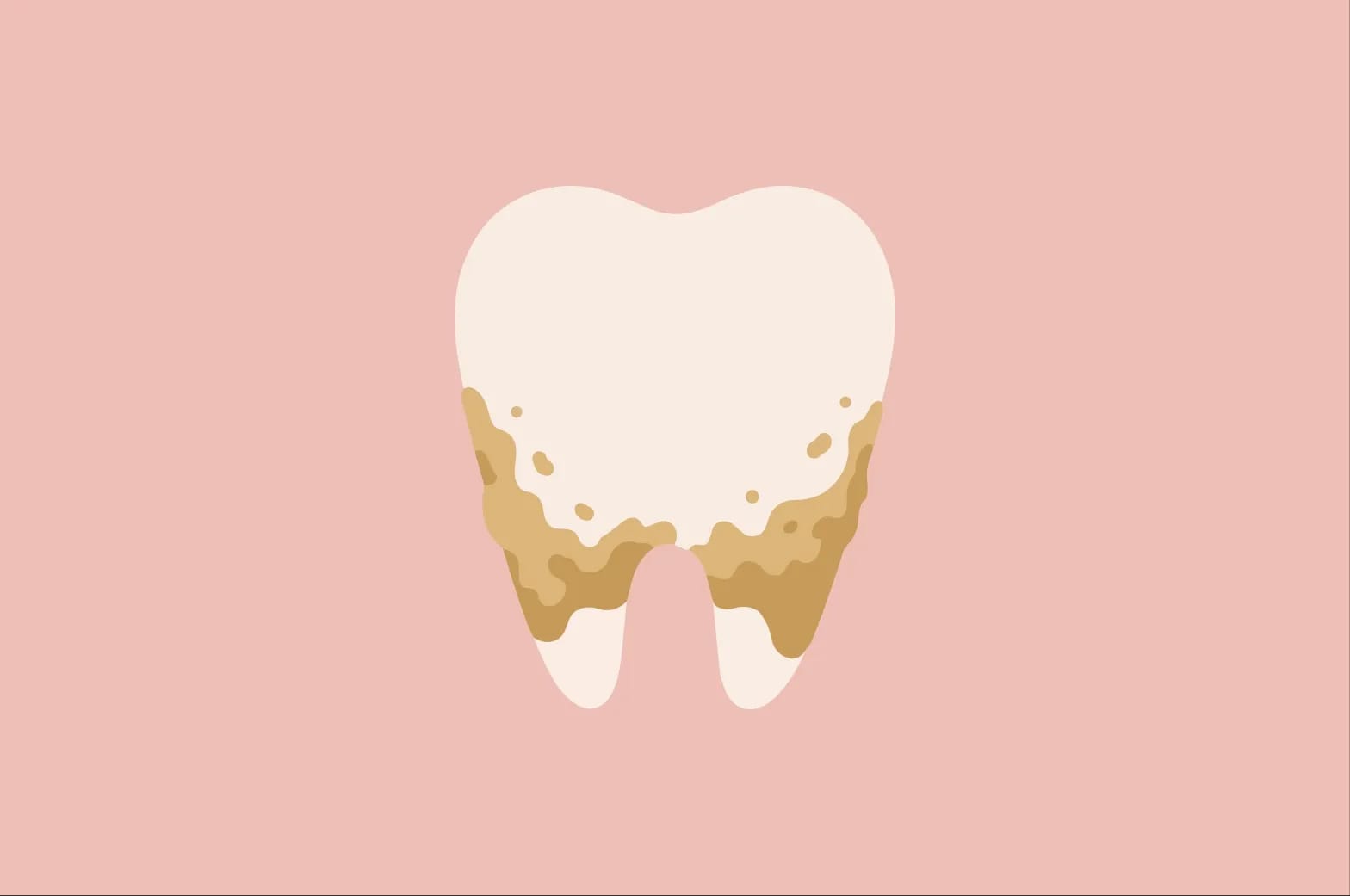
Sensitivity when eating, toothache and dark spots in your tooth are common signs you need a filling. If you have any of these symptoms, contact Yorkshire Dental Suite today for assistance.
One of the most common dental procedures available, a filling quickly repairs a damaged or decaying tooth. The treatment restores both its function and appearance in just one appointment.
What is a dentist filling?
A dental filling is a material placed inside a tooth to replace areas affected by decay or minor damage. This same material is then used to seal the tooth, helping to prevent bacteria from entering and minimising the risk of further deterioration.
As mentioned earlier, the procedure is very common – in fact, it is estimated that 80% of UK adults have one or more fillings (1), so there’s no reason to feel embarrassed if you need the treatment. It’s simply a part of looking after your oral health, and dentists routinely carry them out.
Why would someone need tooth fillings?
Fillings have one main purpose – to repair teeth damaged by cavities. You may be wondering, how do I know if I need a filling? There are many symptoms to look out for, including:
- Sensitivity to hot or cold
- A visible hole or dark spot
- Food getting stuck in one spot
- An old metal filling that’s cracked or worn
- Sharp pain when biting
Not all cavities hurt. That’s why routine check-ups are so important, as your dentist is able to spot any potential issues that we cannot identify ourselves. Regular hygiene appointments also help to prevent cavities from developing, as a hygienist removes plaque and tartar from the teeth.
Types of dental fillings
For many, traditional amalgam is the first thing that comes to mind when thinking about fillings. While dependable (and inexpensive compared to other fillings), it is not your only treatment choice.
Type | Explanation |
Amalgam (silver) | Made from a combination of metals (usually tin, silver, mercury and copper), amalgam has been used in dentistry for over 150 years. It is often favoured by the NHS due to its low cost. |
Composite | The most realistic-looking option. Composite is matched to the colour of your natural teeth to ensure an invisible repair. Whitening fillings are typically available from private clinics only. |
Glass ionomer | Less common than its metal and composite counterparts, glass ionomer fillings are made from a blend of glass powder and acrylic materials. They are not the most hard-wearing option. |
Gold | Gold fillings are renowned for their durability, withstanding chewing forces and fractures over time. This material’s strength comes with a higher price tag however. |
Inlays and onlays vs fillings – what is the difference?
Fillings are often confused with two other dental treatments – inlays and onlays. All three procedures are ideal for fixing damaged and decaying teeth, but there are key differences to be aware of.
Let’s start with inlays. An inlay repairs the inside the tooth, while preserving as much of its structure as possible. It may be suggested if the damage is too severe for a filling, but not severe enough for a crown. It is most commonly used for the back teeth.
On the other hand, an onlay is used to repair damage on the cusp (the top surface) of the tooth. The treatment is typically used when the damage present is too severe for a filling, just like an inlay.
Tooth filling procedure
How painful is a filling at the dentist? With local anaesthetic or sedation you won’t feel any discomfort. There may be some mild pressure or noises as your dentist carries out the treatment, but you shouldn’t feel pain. This is what the filling process looks like:
- The area surrounding the tooth is numbed
- Your dentist gently removes the decay
- Using your material of choice, the hole is filled
- The material is cured in place, before being shaped and polished to the perfect fit
How long will a dental filling last?
The answer to this changes based on the type of filling you are receiving. Gold is the most hard-wearing material, boasting a longevity of up to 20+ years if well cared for. Amalgam has a typical life expectancy of 10 – 15 years, while some composite fillings last up to 10.
Glass ionomers have the shortest lifespan of around 5 years. Something important to note however is that, just like any other dental treatment, the longevity of a filling is significantly influenced by the care of the patient.
For example, if you have a poor oral hygiene routine, smoke or grind your teeth, you may find yourself needing to replace your filling sooner than expected. Follow the aftercare advice set out by your dentist to enjoy the full lifespan of the procedure.
How much does a dentist filling cost?
Between £90 and £350 is the price you can expect to pay for a standard dental filling at a private clinic. This cost will vary depending on the size, material used and which tooth is being treated (for example, molars tend to be more expensive as they are bigger and have a more complex anatomy).
Private practices usually offer monthly payment plans to help spread the cost of the treatment over time. You will likely need to pay a consultation fee too, which increases your overall spending.
Are fillings available on the NHS?
If the procedure is deemed a clinical necessity, you may be able to get your filling on the NHS. Falling under the Band 2 category, patients will either pay the fixed fee of £76.60 or £27.90 for a temporary filling (emergencies only).
There are downsides of going to an NHS clinic for your treatment. Silver fillings are typically their material of choice due to limited funding, unless it is a visible tooth. If you want a white composite filling that looks more natural, you will likely need to go to a private practice instead. Other downsides include:
- Difficult to register due to a lack of spaces
- Lengthy waiting list
- Limited appointment availability
Dental fillings: Pros and cons
Before booking your appointment, it’s important that you are aware of the pros and cons of fillings. Your dentist will talk you through these in your consultation to ensure you feel comfortable having the treatment and what it entails.
| What are the advantages of getting a tooth filling? | What are the disadvantages of getting a tooth filling? |
Silver filling | - Low cost - Available at NHS clinics - Hardens quicker than white fillings, speedy procedure | - Very visible - Potential concerns surrounding mercury content - May discolour the tooth over time |
Gold filling | - Outstanding durability - Resists cracking and chipping - Easy to shape for a precise fit | - Expensive - Multiple appointments required - Risk of thermal sensitivity |
Composite filling | - Natural appearance - Metal free, making it a great option for patients with allergies - Easy to repair | - Susceptible to staining - Not as strong as metal alternatives - Tricky application process |
Glass ionomer filling | - Releases fluoride, helps to prevent further cavities - Quick placement - Require less enamel removal | - Low durability - Not suitable for back teeth as they cannot withstand chewing forces - Long setting time |
Are there any alternatives to fillings?
Absolutely. After assessing the extent of the damage to your tooth, your dentist will recommend either a filling or one of the following. Rest assured, these will all be discussed with you during your initial consultation.
- Onlay: Repairs damage on the top surface of the tooth. Suitable for more severe cavities.
- Inlay: Repairs damage on the inside of the tooth. Also suitable for more severe cavities.
- Overlay: Serves the same purpose as an onlay, but covers a larger surface area.
- Root canal: Used when the damage has reached the tooth’s pulp.
- Dental crown: If the damage is extensive and cannot be fixed with any of the above, a crown may be suggested.
- Extraction: Only used if the tooth is unable to saved.
FAQs
Have questions about dentist fillings? We’re here to answer them. If your query isn’t addressed below, do not hesitate to contact us. The Yorkshire Dental Suite team are happy to help.
What happens to fillings after 10 years?
This depends on the type. Gold fillings may still be in great condition, whereas silver will likely show signs of wear and tear. If you opted for composite or glass ionomer, you have probably already replaced the filling, or will need to soon.
How do I make my fillings last longer?
There are a few tips that can help your filling last as long as possible. A great oral hygiene routine minimises the risk of further decay, while limiting your intake of sugary and acidic food and drink also protects against future cavities. If you grind your teeth or play contact sports, wear a mouthguard to protect your cavity.
How many fillings can be done in one appointment?
Dentists recommend doing no more than four fillings in one appointment. The number is determined by factors such as where the cavities are and their size. Your dentist will identify the safest number during your consultation.
Is it better to get a cavity filled or pulled?
Tooth extraction is the very last resort, and dentists want to avoid pulling a tooth at all times. Whether it’s with a filling or an alternative procedure, such as a crown, your dentist will try all possible alternatives.
How long does a filling take?
From start to finish, a standard dental filling typically takes 20 – 60 minutes, with this timeframe increasing due to: the number of teeth being treated, the size, the location of the teeth and the prep.
When is it too late for a tooth filling?
A filling is no longer an option if the cavity has become too large, or the decay has reached the pulp of the tooth (in which case you may need a root canal). Remember - the earlier you tell your dentist, the more likely it is that the tooth can be treated with a simple filling.
Do cavities come back after fillings?
Yes. If bacteria is able to enter a small opening around a filling, a cavity can develop once more. Cracks caused by dental trauma and teeth grinding are another contributing factor of returning cavities, as it creates space for bacteria to enter.
Conclusion:
Think you are in need of a filling? Don’t panic. Our friendly team are on hand to help, and will do everything possible to repair your tooth and stop your discomfort. Contact Yorkshire Dental Suite for an appointment as soon as today or tomorrow (subject to availability).
References: