Why No Dairy After Dental Implant Surgery?
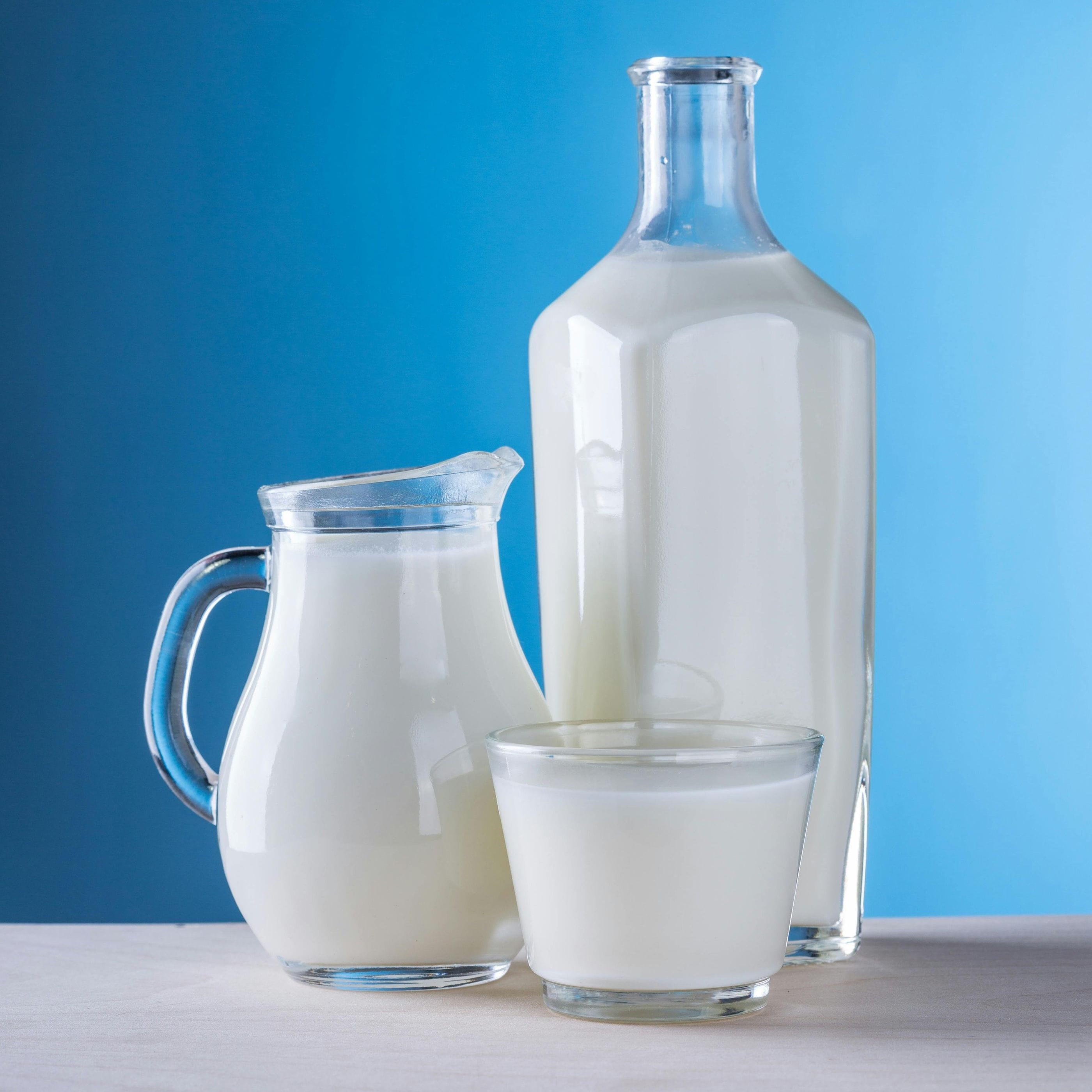
After your dental implant surgery, you will need to make some diet modifications to protect your implant and ensure a smooth recovery. One of those modifications is eliminating dairy from your meals.
Why no dairy after dental implant surgery?
Certain dairy products contain bacteria. If consumed, it may increase your risk of infection; therefore, we recommend keeping away from dairy altogether. Your dentist will advise you on when you can introduce it back into your diet.
Foods to eat after your dental implant treatment
For the first 48 hours after your procedure, try to stick to a liquid diet. Make sure that you don’t consume anything too hot to avoid irritating the dental implant site. Then, for the following two weeks, consume soft, nutritious foods. We have compiled some suitable options for you below:
Breakfast | Lunch/Dinner | Snacks | Fruits/Vegetables |
|---|---|---|---|
Scrambled eggs | Pasta | Hummus | Banana |
Smoothies | Mashed potatoes | Apple sauce | Sweet potato |
Pancakes | Chicken | Trifle | Kale |
Waffles | Tofu | Mousse | Spinach |
Bread (no crust) | Soup/broth | Jelly | Avocado |
Diet limitations
There are many foods and drinks to keep away from, especially in the first two weeks after your dental implant procedure. By cutting these from your diet, you are shielding your implant and supporting the healing process.
- Hard and crunchy foods: Implant movement and gum irritation – these are the risks of eating hard and crunchy foods. The chewing action required for these foods also place unneeded pressure on tender gums.
- Chewy and sticky foods: These can get stuck around the implant, making it harder to clean. Foods with this texture additionally pull on the implant and encourage a loose feeling.
- Hot, spicy and acidic foods: Consuming foods at too high of a temperature may result in the implant site becoming inflamed, resulting in swelling and discomfort. Spicy and acidic foods are also known irritants.
- Smaller foods: Legumes and seeds are just two examples of smaller foods to avoid, as they can get lodged in the implant side and lead to infection.
General eating guidance
Even if you find that your appetite is diminished, it is still essential that you continue to eat and drink regularly. After all, energy is needed to support your body’s ability to recover. Stay hydrated, but remember to avoid straws. This puts pressure on the implant site and may cause bleeding. Make sure your diet is full of vitamins, minerals and protein. These foods help to rebuild and repair the tissue and bone surrounding the implant site, while minimising the risk of infection.
It is also very important that you do not consume alcohol, as this hinders the healing process. Still feeling unsure about if a particular food is suitable to eat after dental implant surgery? Generally, any foods that can be cut with the side of a fork are suitable. Don’t be afraid to experiment with textures too – try mashing, boiling and blending your desired vegetables to ease the chewing process.
Conclusion:
The aftercare of your dental implants will make a significant difference to the success of your treatment. As mentioned earlier, avoiding dairy and certain foods will help to defend against infection. If you are apprehensive about making changes to your diet, please consult your dentist or a dietician.
Do not hesitate to contact us with any further questions – we will do everything we can to assist you in your dental implant journey.