What Are Dental Implants Made Of?
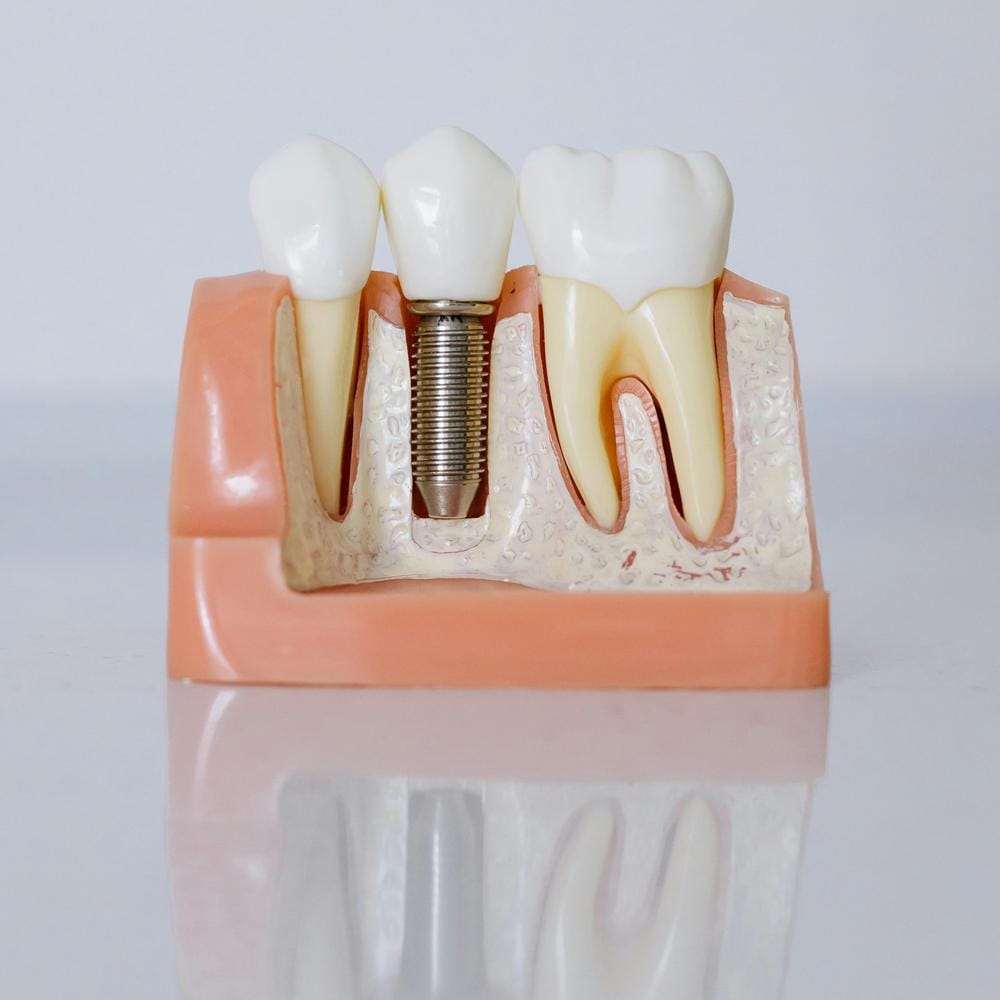
Prior to your dental implant procedure, you may find yourself asking, what are dental implants made of? The materials used vary, but the one chosen for you will depend on numerous factors, including the amount of bone in your mouth and if you have any allergies.
What is a dental implant?
Commonly referred to as a ‘fake tooth,’ a dental implant substitutes your worn, broken and missing teeth with a perfect replacement. At Yorkshire Dental Suite, we use grade 5 titanium as our chosen material. Your dentist inserts the dental implant into your jawbone, before topping it with an abutment and a porcelain crown. The result? A beautifully restored smile.
The different materials used for your dental implant treatment
Dental implants are usually made from zirconia or titanium. Both are renowned for their strength, durability and high success rate. However, these are not the only materials used to craft a dental implant.
- Zirconia Dental Implants: This is a great option for patients with a metal allergy. Thanks to its white, tooth-like colour, zirconia blends seamlessly into your smile, making it imperceptible.
- Ceramic Dental Implants: Ceramics such as carbon silicone are sometimes used in implantology. It mimics the appearance of your natural teeth and is resistant to corrosion, but isn’t as durable as zirconia or titanium.
- Titanium Implants: The gold standard in implantology. The material fuses well with the bone for exceptional stability and longevity, while still remaining lightweight.
- Polymer Implants: Polymer is a very aesthetically-pleasing material. It is light and easy to manipulate but doesn’t have the strength of the aforementioned options.
Alternative metals such as gold and stainless steel can also be used to create a dental implant. They do not have as high of a success rate than titanium, so dentists do not use them as commonly.
So, what is the best material for dental implants? The answer will differ from patient to patient based on external factors. However, titanium implants are highly regarded by dentists as the best option due to their extreme robustness. The dental implant abutment is typically made from titanium and zirconia, whereas the dental implant crown is crafted from porcelain.
Endosteal VS subperiosteal implants
An endosteal implant is directly inserted into the jawbone. This type of implant is very common. On the other hand, a subperiosteal implant is placed on top of the jawbone, just beneath the gum tissue. If you have low bone density, your dentist may suggest using this option instead.
Dental implants: Advantages and disadvantages
A dental implant treatment is truly life changing, lasting 20+ years with proper care. You can stop hiding your teeth out of embarrassment and smile with confidence. Dental implants also eliminate the pain caused by chewing and eating, meaning you are able to enjoy the juicy steaks and crunchy apples you have had to previously avoid. Finally, thanks to sedation, the treatment is completely pain free. This allows even our most nervous patients to experience the transformative benefits of this treatment.
Like any other medical procedure, dental implant surgery doesn’t come without risk. There is a chance that the implant does not fuse with the bone properly and fails, or that complications such as infections and nerve and tissue damage arise. The crowns used for your dental implants are not indestructible either, meaning they are susceptible to damage. While this is an easy fix, any repairs would come at an extra cost. In rare cases, due to the hormones in the mouth area, there is an increased chance of heart failure.
Conclusion:
Dental implants are a permanent solution that transform your smile and life. Yorkshire Dental Suite are experts in implantology – book a consultation to kickstart your journey to stronger, healthier teeth.