
Can You Have Composite Bonding With Gum Disease?
Gum disease should be treated first before undergoing composite bonding. This helps to ensure healthy, long lasting and aesthetically-pleasing results.
Gum disease should be treated first before undergoing composite bonding. This helps to ensure healthy, long lasting and aesthetically-pleasing results.

Dentophobia is a fear of the dentist. It is common amongst the UK population, with a reported 53% feeling anxious and scared when visiting a practice.

Also known as dental implants, screw-in teeth eliminate pain and renew confidence in your smile. The treatment can last 20+ years if well cared for.

Composite veneers and porcelain veneers are two dental procedures often confused. However, their treatment process, durability and cost vastly differ.
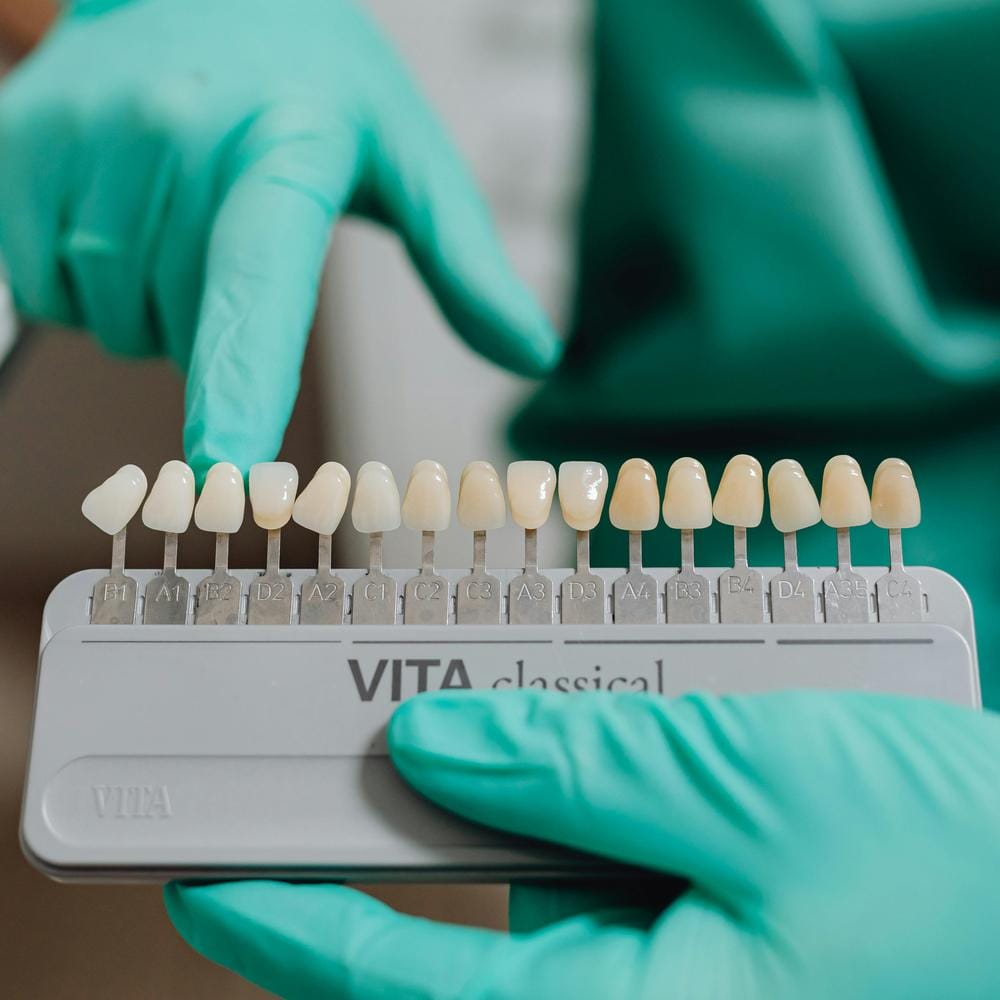
Wondering which internal tooth whitening treatments will get rid of your stains and discolouration? Tooth bleaching and dental bonding are great options.
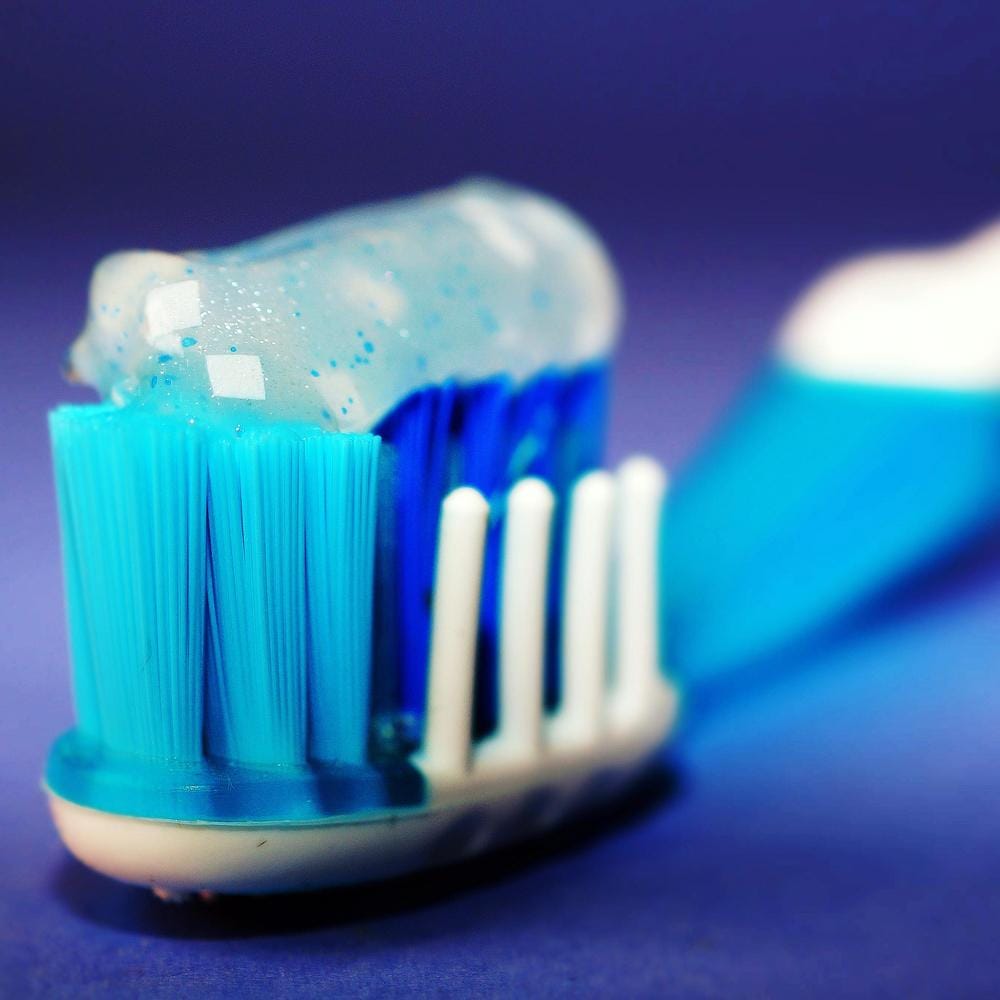
A teeth whitening toothpaste is able to remove surface stains. Many patients also use this product to enhance the effects of other whitening treatments.

A camera-ready smile is on the wedding checklist for many brides. Nanofill™ quickly transforms teeth with straightness, uniformity and radiance.
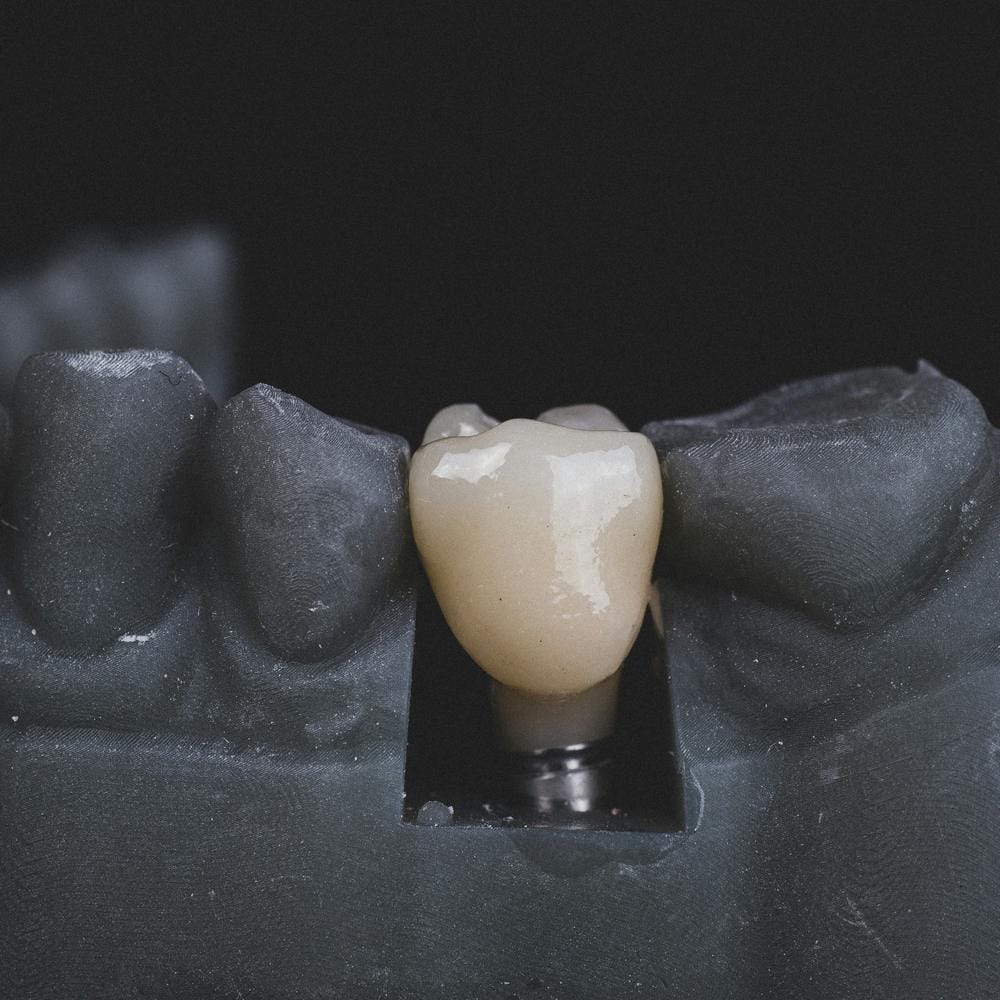
Molar implants restore the ability to chew, bite and speak without pain. Even though they are not visible, missing molars should be replaced.

Nanofill Composite Bonding® costs £495 per tooth. Using a white resin, this exclusive treatment disguises chips, cracks, small gaps & discolouration.

Composite bonding cannot be whitened. If you wish to refresh the colour of your treatment, a dentist can polish the bonding or re-apply it altogether.
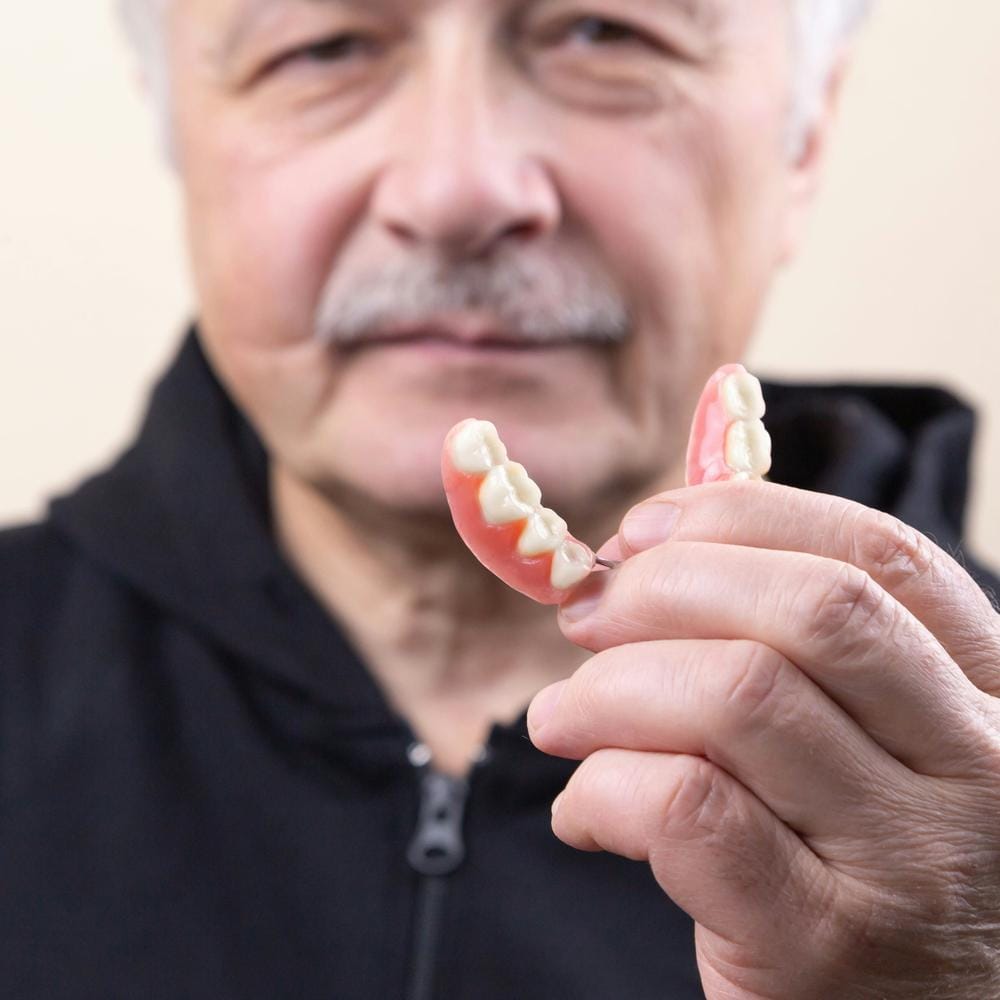
False teeth is an umbrella term that refers to a number of restorative dental procedures, including dental implants, dentures, bridges and crowns.

Hypodontia is a condition that means one or more adult or baby teeth are missing from the mouth. Genetics are believed to be the most common cause.