
What Is Root Resorption?
Root resorption is the progressive, non-infectious loss of a tooth’s structure. The process can be attributed to many factors, including dental trauma.
Root resorption is the progressive, non-infectious loss of a tooth’s structure. The process can be attributed to many factors, including dental trauma.

A popular choice amongst dental experts for teeth whitening treatments, carbamide peroxide effectively brightens your smile and minimises stains.

Whether it’s a dental crown, porcelain veneer or dental implant, an LTP (Long-Term Prosthetic) helps patients to restore their smile.
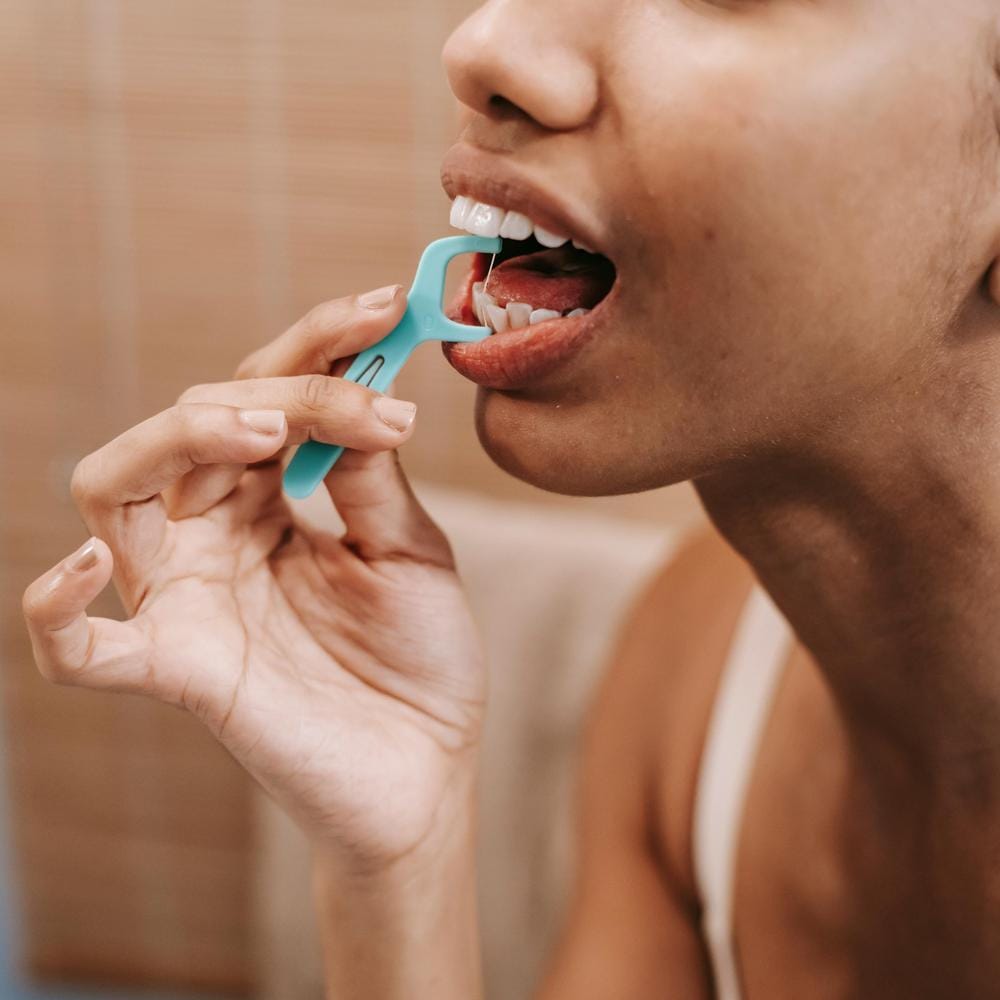
Daily flossing is advised to help prevent gum disease, tooth decay and bad breath. Interdental brushes and water flossers are two effective products.

Your dental implant consultation is a vital step in your journey to a healthier, more confident smile as it identifies if you are suitable for treatment.

Nanofill Composite Bonding® gives you a perfect straight white smile in less than four hours. It disguises chips, cracks, small gaps & discolouration.

Dentists generally advise against teeth whitening during pregnancy because there is a lack of research surrounding ingredients like hydrogen peroxide.
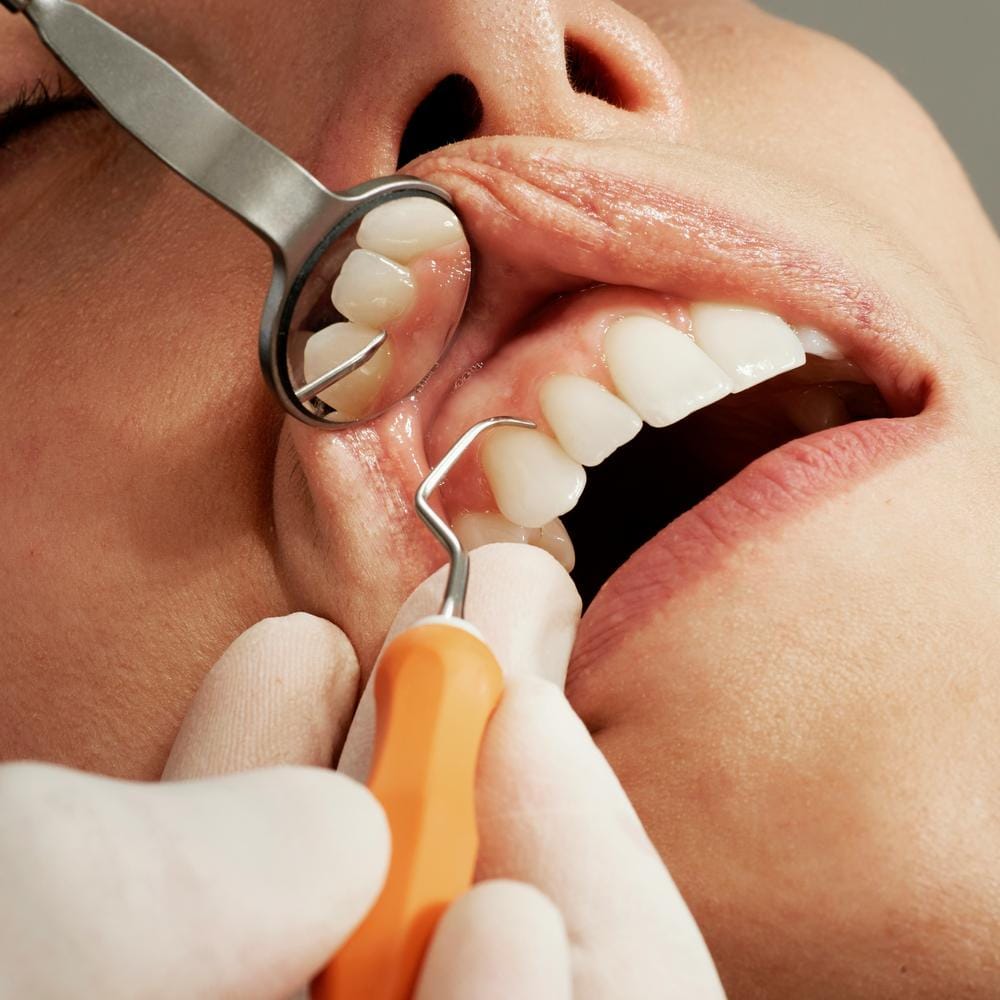
Composite bonding and composite veneers refer to the same treatment, dental bonding. There is no difference between the two.
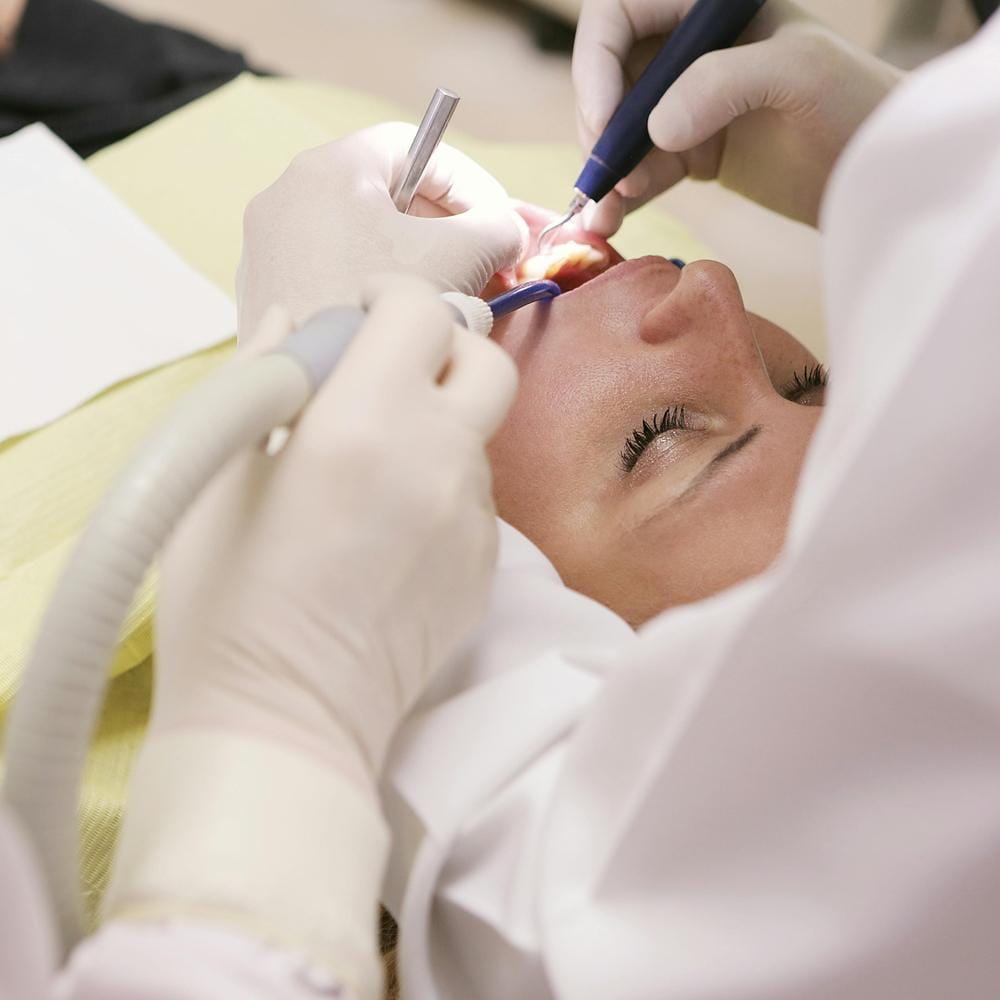
IPR is an orthodontic procedure that removes small parts of enamel from between the teeth. It aids teeth straightening treatments like clear aligners.

Chilly temperatures can pose a number of risks to your oral health. These risks include increased tooth sensitivity, dry mouth and even small cracks.

Oil pulling includes swishing edible oil around the mouth. While some claim this technique whitens teeth, there is little evidence to back up these claims.

Rubbing a banana peel on your teeth will most likely not whiten your smile, but it can provide other oral health benefits, such as stronger enamel!