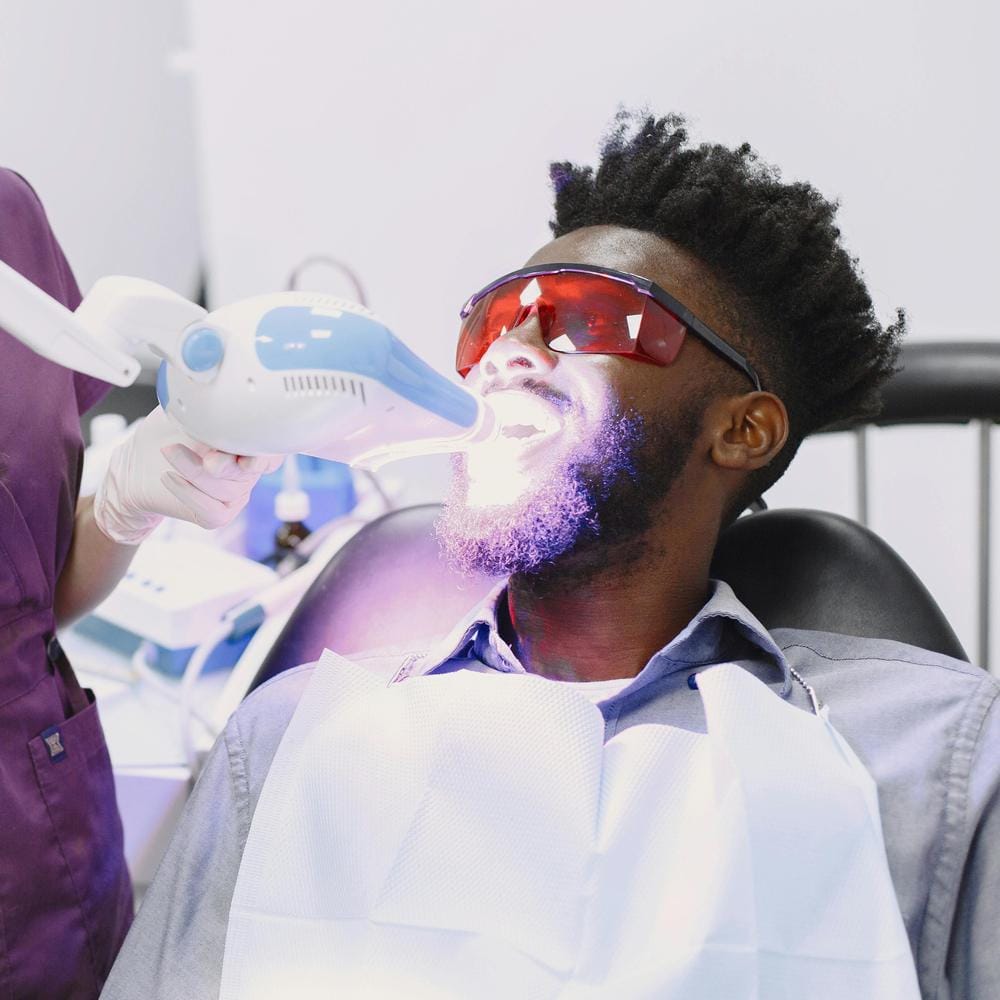
Is Teeth Whitening Safe?
Teeth whitening is generally considered safe by dental experts and healthcare professionals. There are risks however, especially when using DIY kits.
In The News
Teeth whitening is generally considered safe by dental experts and healthcare professionals. There are risks however, especially when using DIY kits.
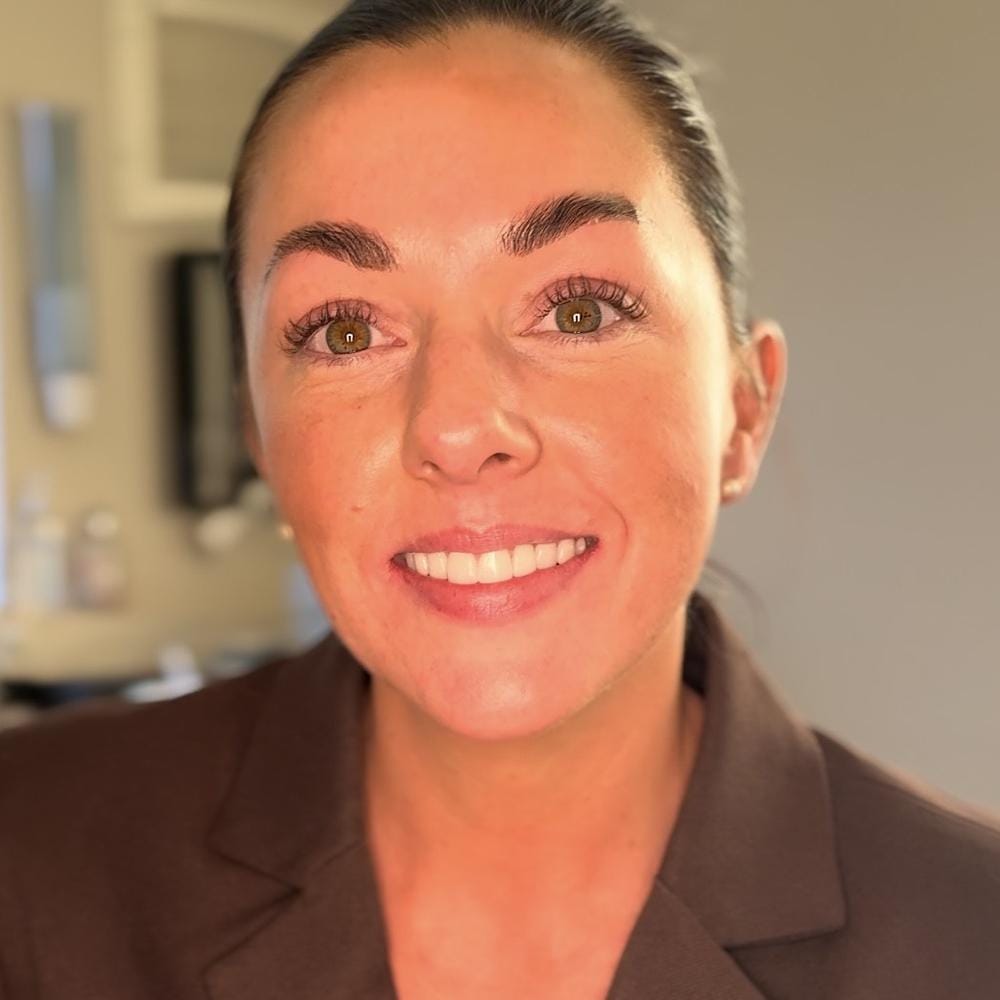
Nanofill Composite Bonding® gives you a perfect straight white smile in less than four hours. It disguises chips, cracks, small gaps & discolouration.

Dentists generally advise against teeth whitening during pregnancy because there is a lack of research surrounding ingredients like hydrogen peroxide.
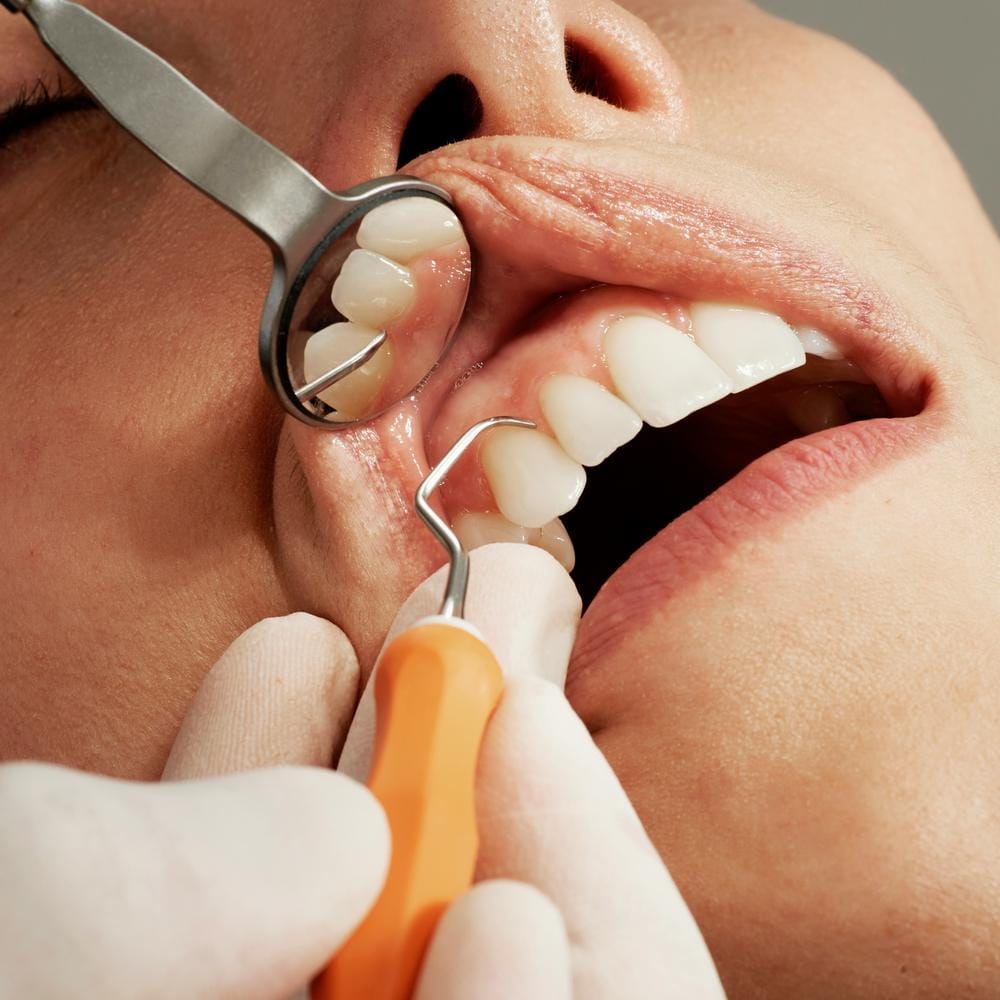
Composite bonding and composite veneers refer to the same treatment, dental bonding. There is no difference between the two.
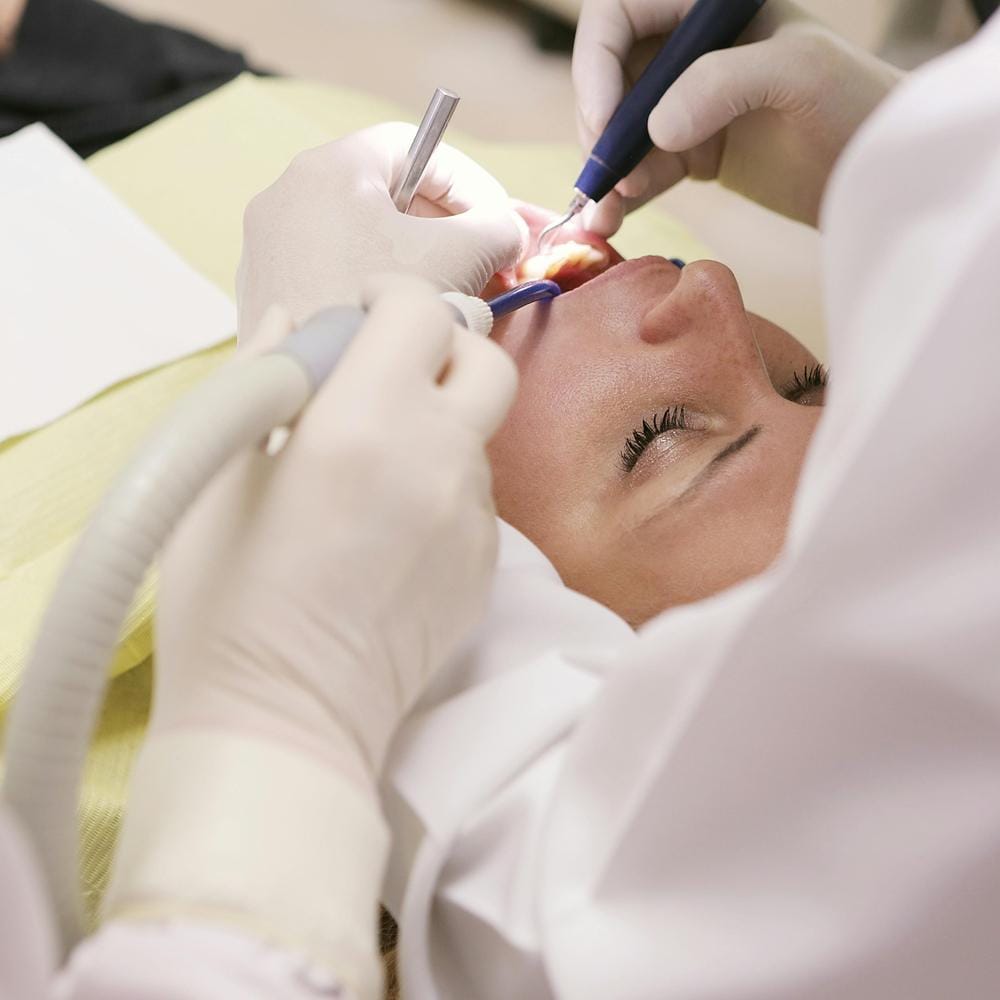
IPR is an orthodontic procedure that removes small parts of enamel from between the teeth. It aids teeth straightening treatments like clear aligners.

Chilly temperatures can pose a number of risks to your oral health. These risks include increased tooth sensitivity, dry mouth and even small cracks.

Oil pulling includes swishing edible oil around the mouth. While some claim this technique whitens teeth, there is little evidence to back up these claims.
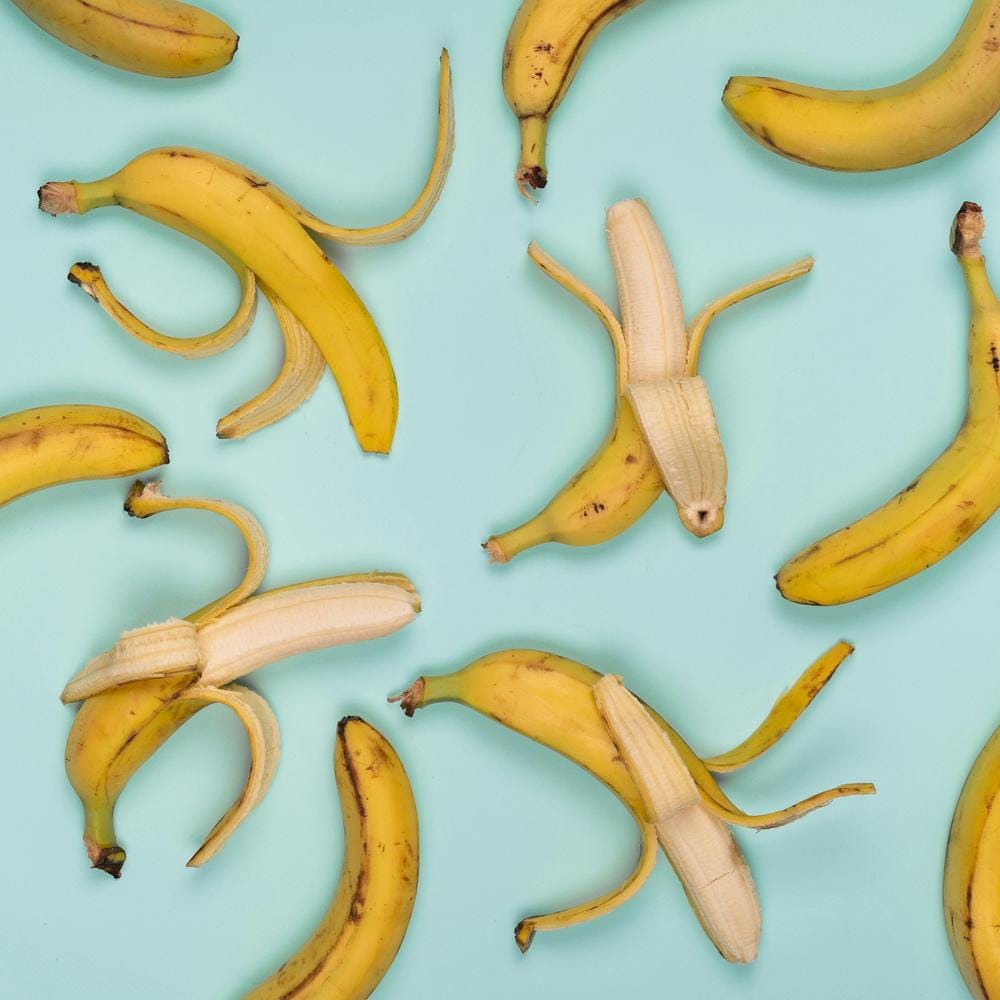
Rubbing a banana peel on your teeth will most likely not whiten your smile, but it can provide other oral health benefits, such as stronger enamel!
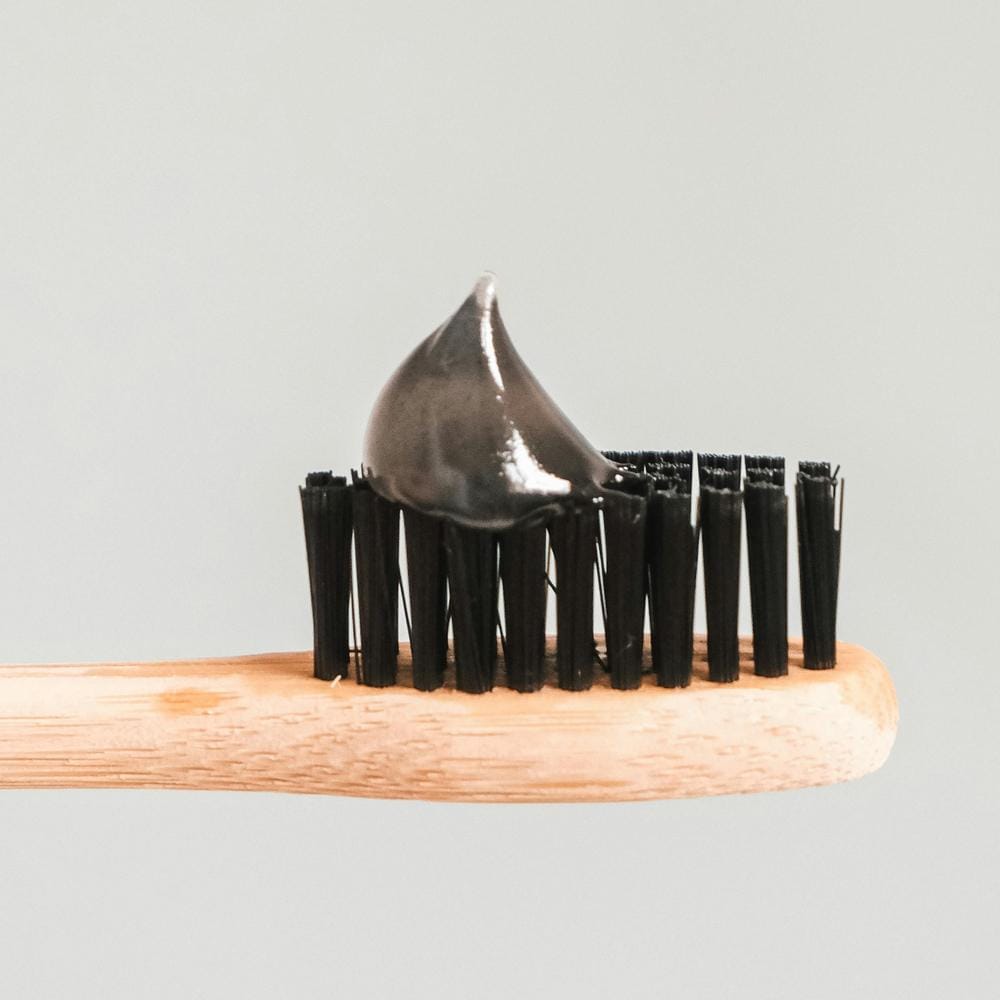
Charcoal is a popular teeth whitening ingredient believed to brighten smiles. However, if used incorrectly, it poses a risk of damaging your enamel.
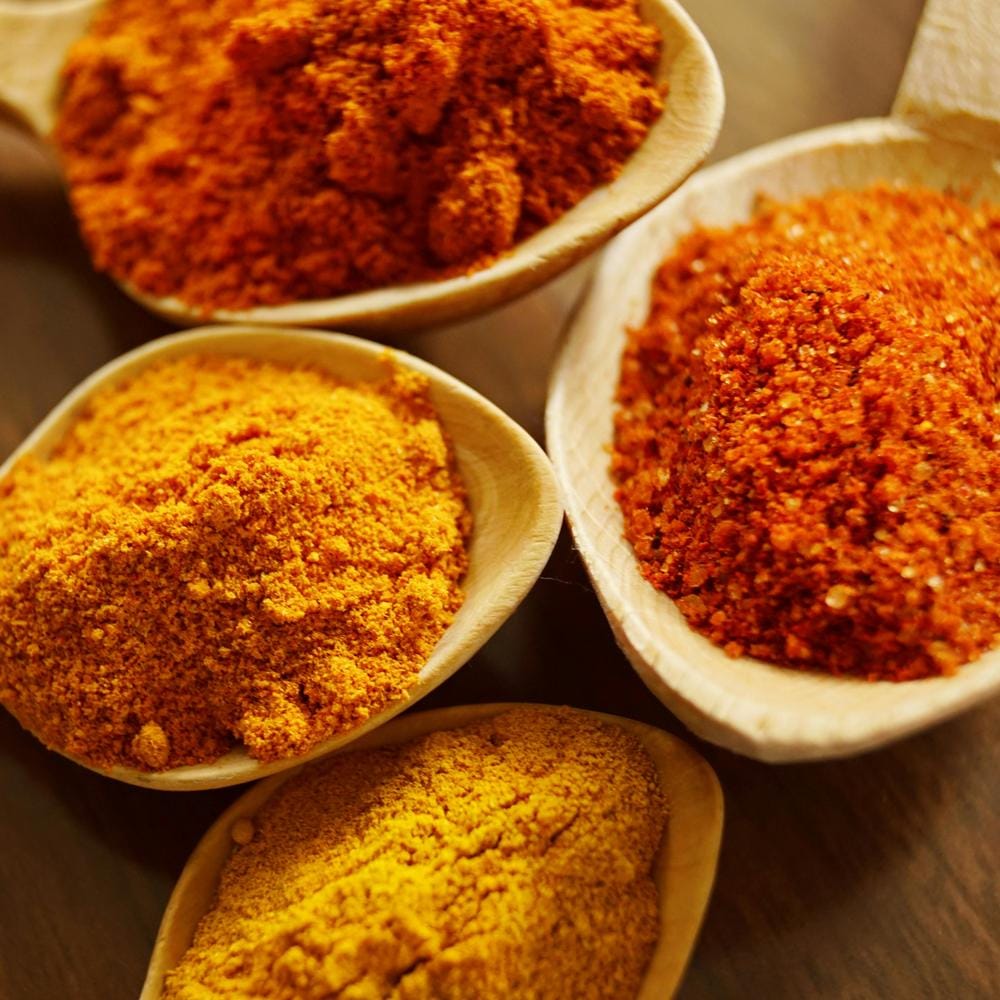
Research exploring the connection between turmeric & teeth whitening is limited. As it’s an abrasive ingredient, it may be able to lift surface stains.
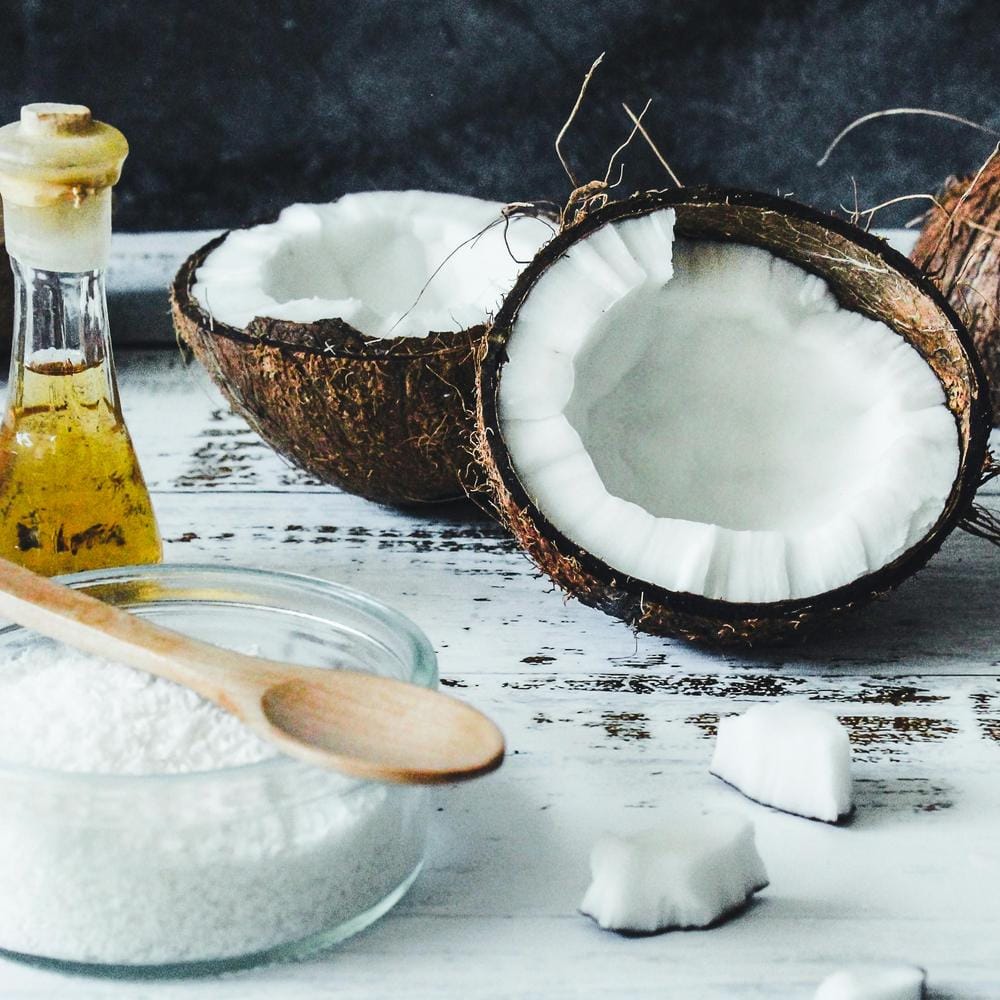
Research is limited on the effects of teeth whitening and coconut oil. However, due to its antimicrobial benefits, it can support good oral health.
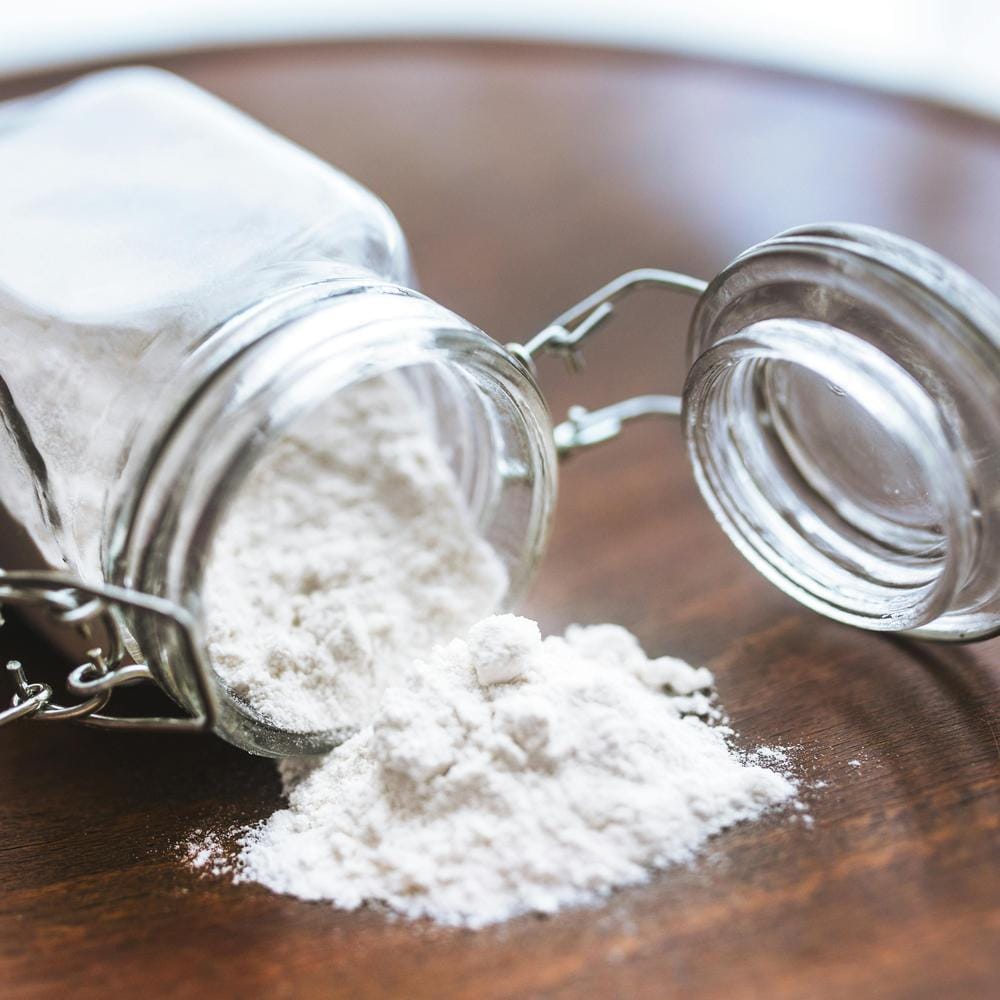
Bicarbonate of soda is a naturally abrasive ingredient that can minimise the appearance of surface stains and mild discolouration over time.