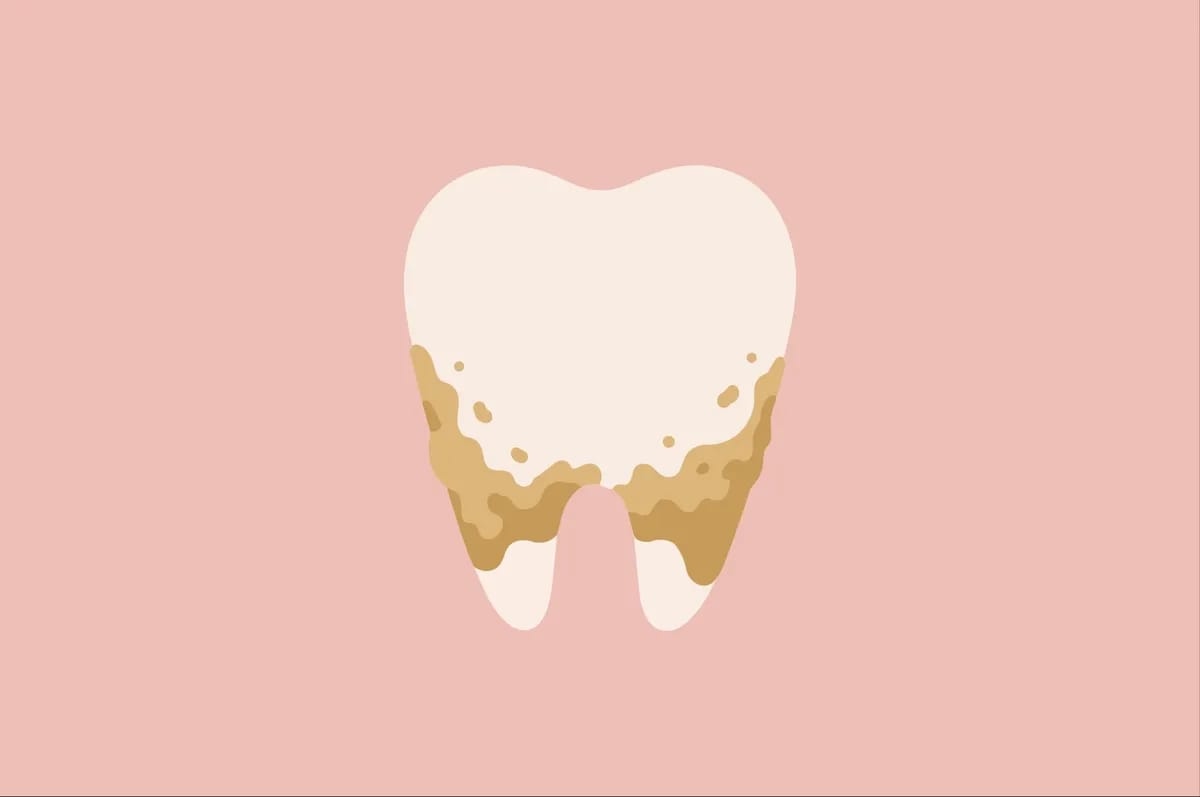
Reasons Behind A Failed Root Canal
Sensitivity when eating, persistent pain and swollen gums are common symptoms of a failed root canal. Contact Yorkshire Dental Suite for assistance.
Sensitivity when eating, persistent pain and swollen gums are common symptoms of a failed root canal. Contact Yorkshire Dental Suite for assistance.

Composite bonding is one of the quickest ways to achieve a beautiful straight white smile, with full mouth transformations taking less than 4 hours.
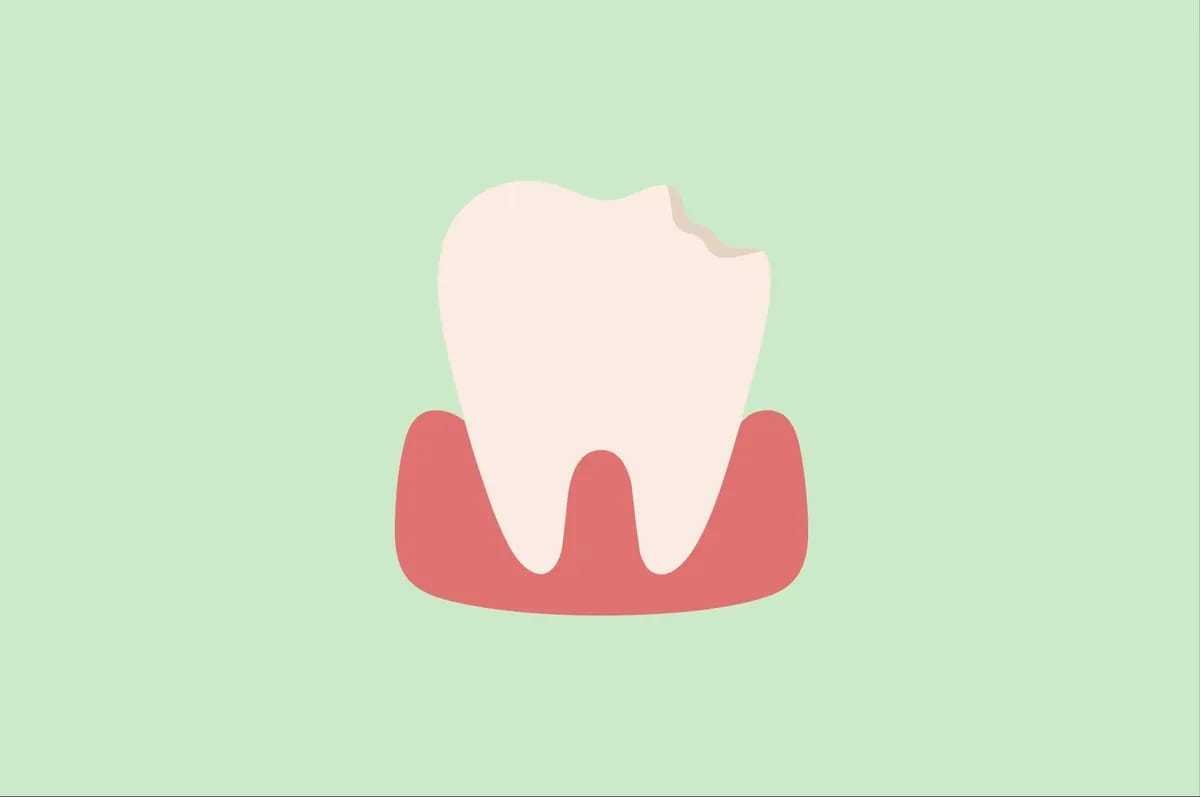
Zirconia is renowned for its durability. It looks and performs just like your natural teeth, and can last 15+ years if well cared for by the patient.
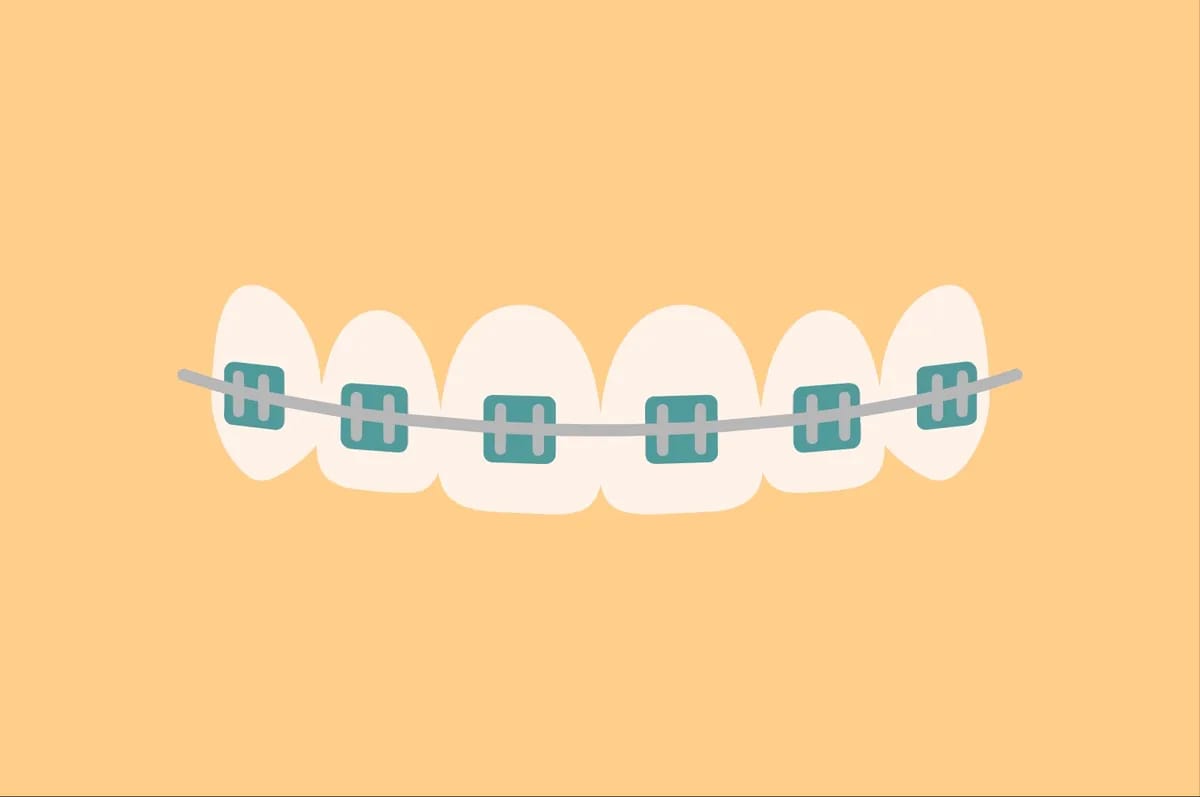
Orthodontics is an umbrella term that refers to a number of teeth straightening treatments, ranging from clear aligners to invisible braces and jaw surgery.
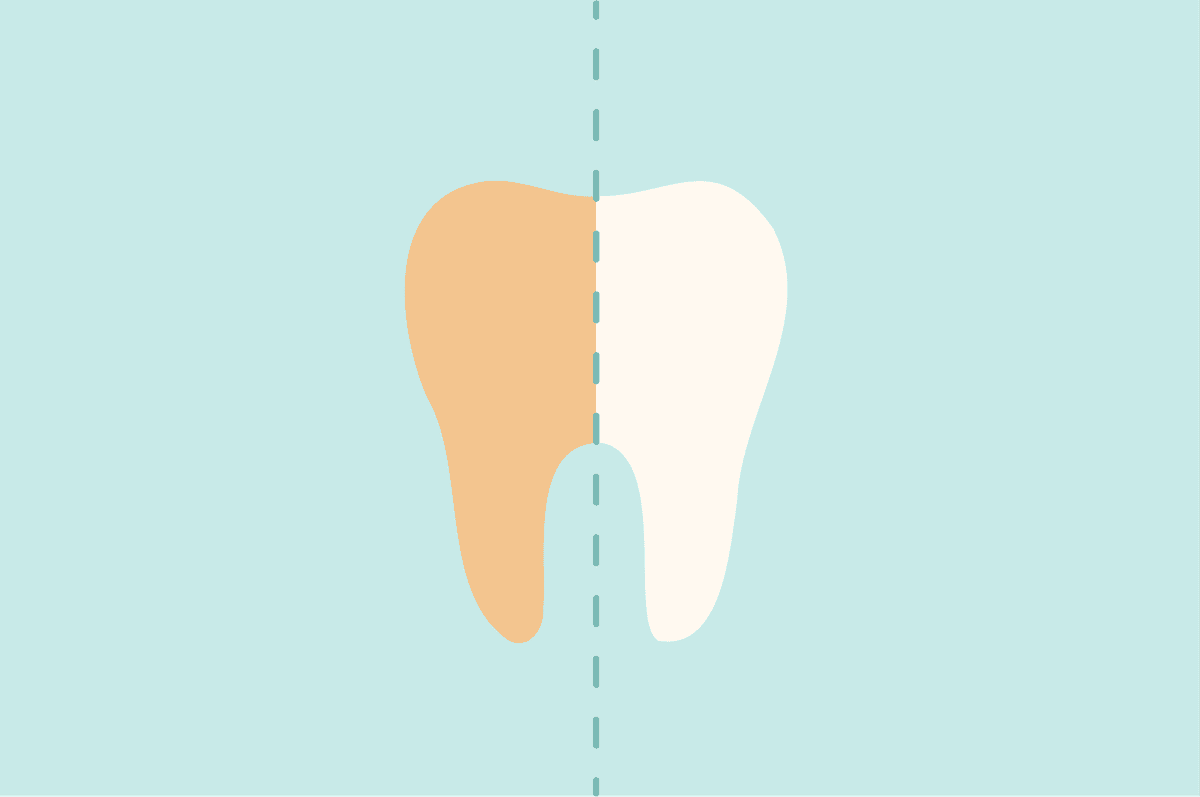
Perfect chipped, cracked, worn and discoloured front teeth with composite bonding. This cosmetic dental treatment lasts up to 8+ years with care.
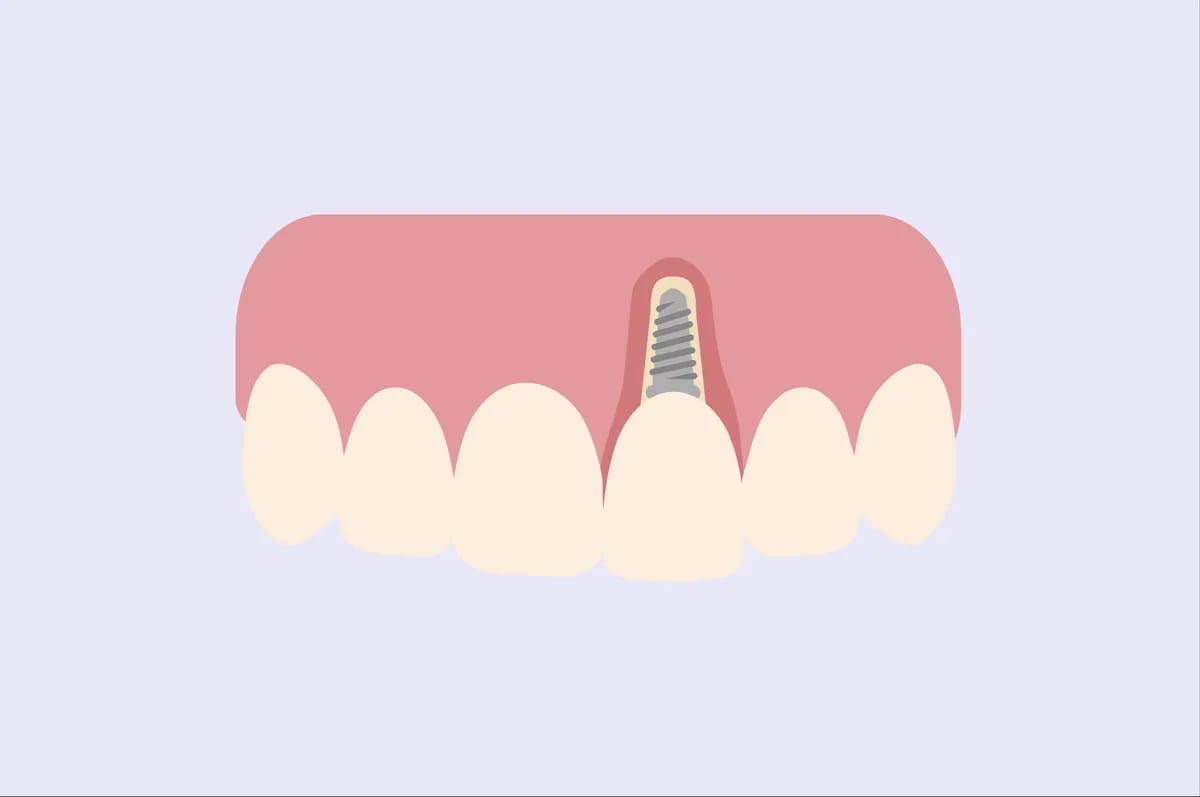
Dentists generally recommend waiting until the jawbone has finished developing before fitting dental implants. This age changes from patient to patient.
Laminate veneers are a cosmetic dental treatment that includes bonding thin shells of material (typically porcelain) to the front of the teeth.
Everyone heals at a different rate. However, most root canal patients typically recover within 3 – 7 days, while complex cases can take up to 2+ weeks.

An orthodontist is a dentist who has undergone full-time postgraduate training in orthodontics to become an expert in teeth and jaw alignment issues.
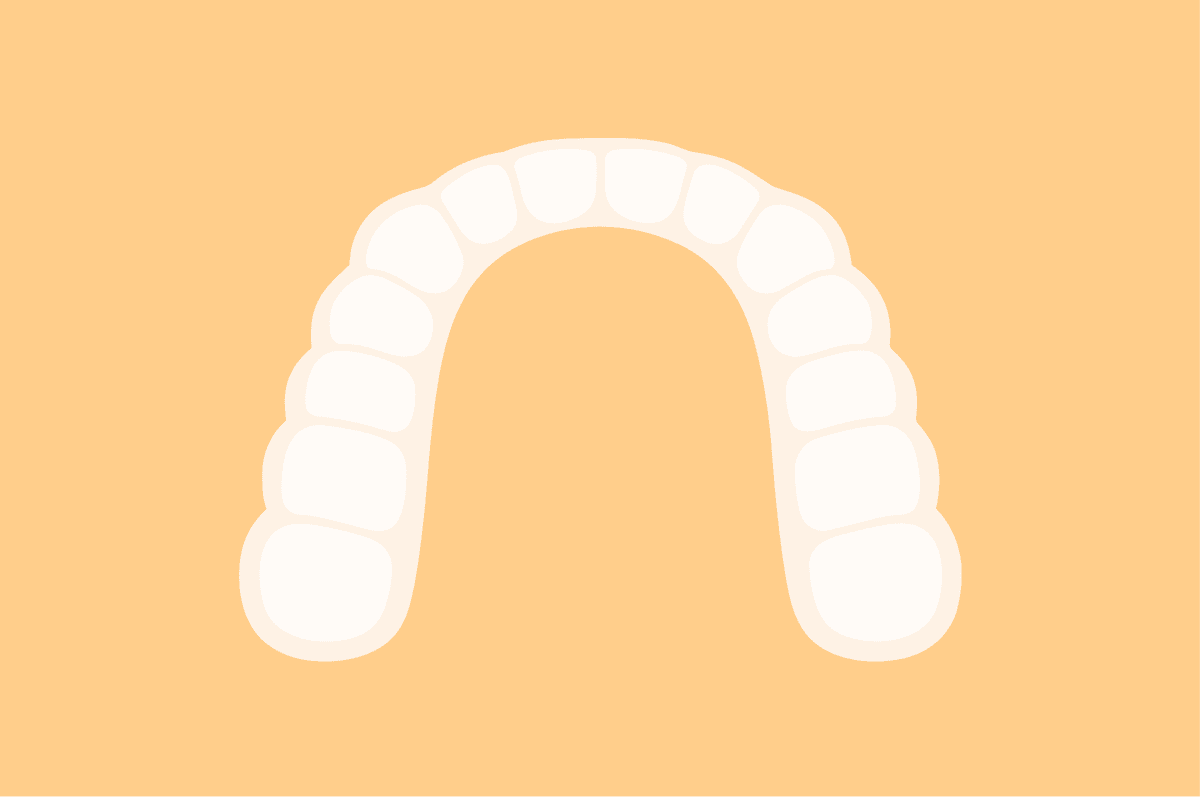
Brace elastics work with your braces to apply additional force, which aids tooth movement and jaw alignment. Not every orthodontic patient needs elastics.
Teeth bonding is a popular cosmetic dental treatment that is quick, painless and relatively low cost. However, it has some disadvantages to be aware of.

Root canals are used when the pulp of the tooth is inflamed or infected. Signs that indicate you may need treatment include persistent toothache.