Types Of Orthodontic Headgear And How They Are Used
If your misaligned teeth or jaw cannot be corrected with braces alone, or any other orthodontic treatment, your dentist may suggest wearing headgear.

Orthodontics
If your misaligned teeth or jaw cannot be corrected with braces alone, or any other orthodontic treatment, your dentist may suggest wearing headgear.
Retainers are the last step of your teeth straightening treatment, and have one key responsibility – to stop your teeth from shifting back out of alignment.
A palatal expander is an orthodontic device that widens the upper jaw while it is still developing to help aid tooth movement and correct your bite.

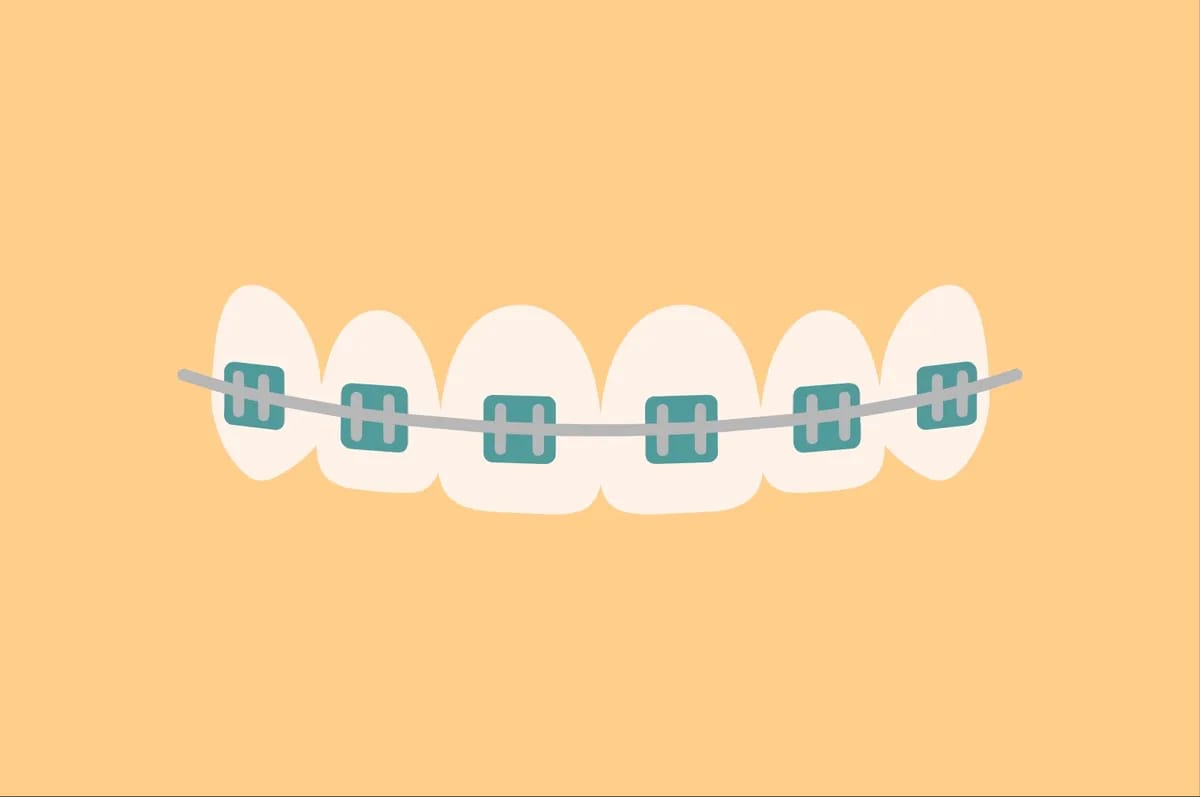
Orthodontics is an umbrella term that refers to a number of teeth straightening treatments, ranging from clear aligners to invisible braces and jaw surgery.
An orthodontist is a dentist who has undergone full-time postgraduate training in orthodontics to become an expert in teeth and jaw alignment issues.
Brace elastics work with your braces to apply additional force, which aids tooth movement and jaw alignment. Not every orthodontic patient needs elastics.
Attaching to the back of the teeth, a permanent retainer helps to prevent teeth from moving out of alignment after orthodontic treatment.
Both NHS and private dental clinics provide teeth straightening treatments. The most suitable choice for your smile depends on multiple factors.
The pressure that braces place onto teeth in order to shift them into alignment can cause pain. This discomfort is temporary and manageable.

Fixed braces require slight diet modifications. However, only a small number of foods need to be avoided to prevent damage to your brace, such as nuts.
When teeth move back into their original position following treatments such as braces or aligners, this is known as orthodontic relapse.